
Building a Botanical Garden for Your City: Where to Start
By William Cinéa · June 17, 2026
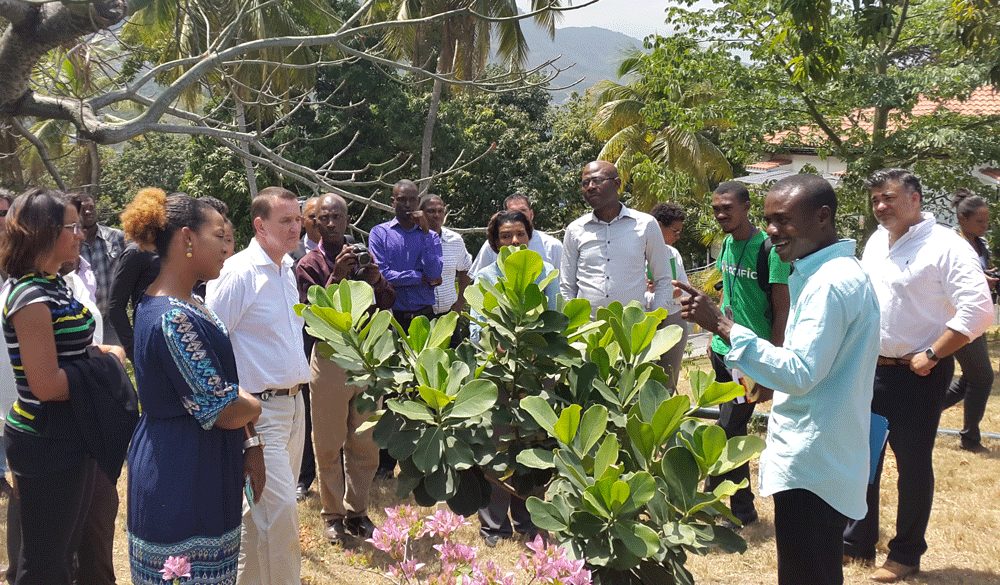
Many leaders imagine a botanical garden for their city, institution, or community one day — then abandon the idea, convinced it requires a fortune and rare expertise to begin. That’s wrong. The barrier, most often, isn’t financial: it’s strategic.
A botanical garden is not a decorative luxury. It’s living infrastructure. It protects a region’s plant heritage, serves as an open-air classroom, creates green jobs, restores degraded lands, supports public health, and becomes a source of local pride that attracts partners and funding. Better still: it’s an investment that grows in value over time, as its trees mature and its collections expand.
So where do you start? First, with clarity, not budget. Before seeking funds, define the vision: whom does this garden serve — schools, families, researchers, farmers? What is its theme — native plants, medicinal plants, restoration, conservation? A botanical garden without a clear mission becomes just another park; with one, it becomes an institution.
Next, start with what you have. A modest plot of land, a few well-documented local species, a partnership with a school or nursery — that’s enough to begin. Credibility doesn’t come from initial size, but from rigor: plants correctly identified, labeled, and connected to knowledge. That rigor is what later opens doors to funding and international networks.
Third step: phase your growth. Projects often fail because they try to do everything at once. A botanical garden is built in stages — one collection after another, one educational program after another. Each phase must stand on its own, demonstrate its value, and prepare the next.
A common mistake is trying to copy a large foreign garden. But a botanical garden draws its strength from its territory. The plants of your region — ones nobody else possesses — are your real treasure, far more than expensive imported species that are hard to maintain.
Think about partnerships from the start. Botanical gardens are part of a global movement supported by universities, donors, and networks like Botanic Gardens Conservation International (BGCI). A credible project, however small, can join that community, exchange plants, access funding, and gain visibility. Finally, don’t underestimate the human dimension: a motivated, trained, and proud core team beats a large budget poorly spent.
Finally, think about sustainability from day one. A botanical garden lives by its programs: school visits, training courses, events, research. These are what justify its existence in the eyes of the public and funders, and what transform a planted space into an institution truly useful to its community.
The gap between “we should have a botanical garden” and a thriving institution isn’t a matter of money. It’s a matter of strategy, taking the right first steps, and being guided by someone who has already done it.