
Plants Are Living Archives: Evolution, Chemistry, and Survival Strategies
By William Cinéa · June 16, 2026
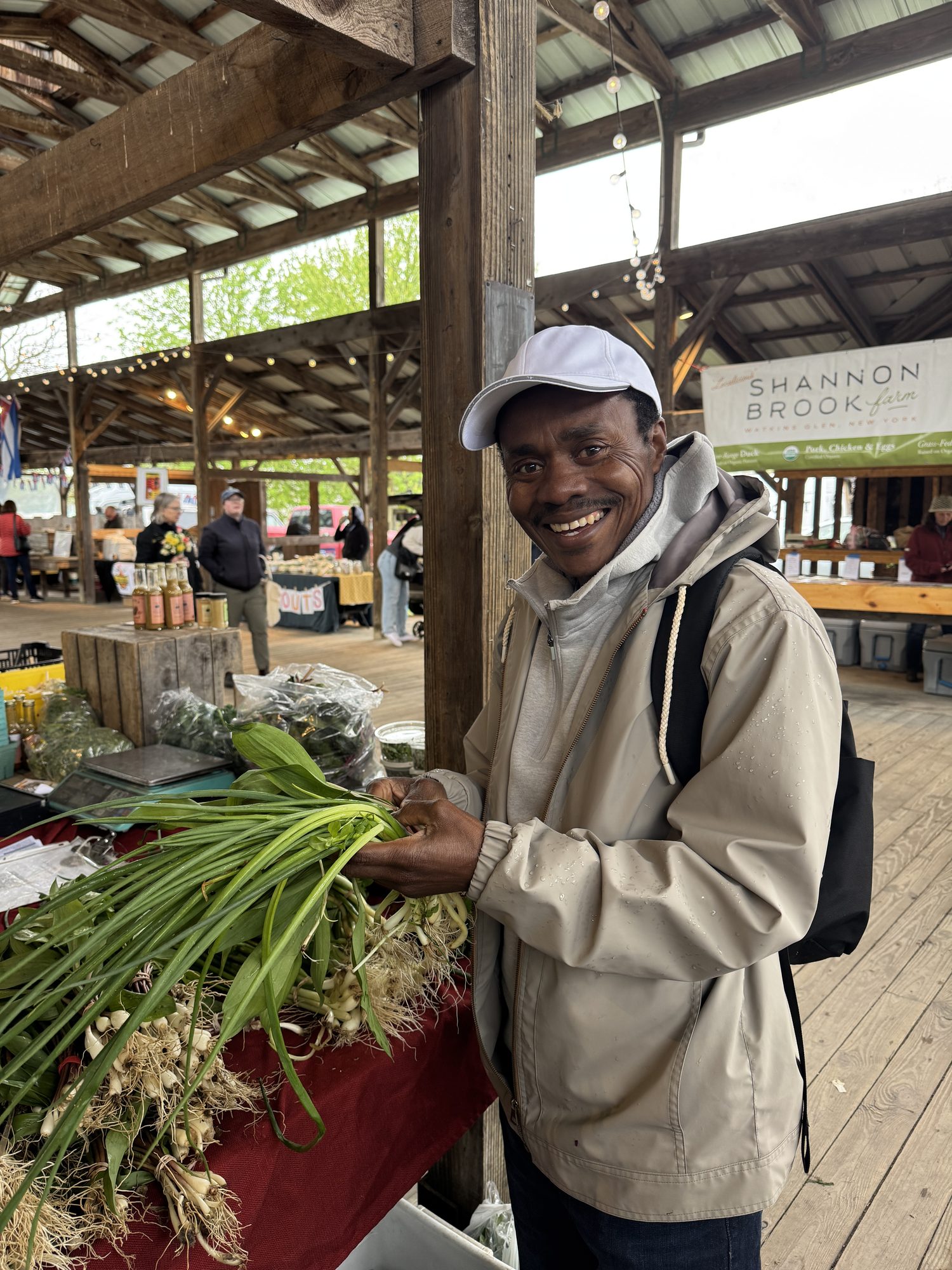
We are used to seeing plants as décor: a pleasant green backdrop, passive. This is one of the greatest mistakes in perception we can make. Reading a plant is reading a living archive.
Let’s start with evolution. Every plant you encounter carries the history of a lineage that has weathered climate shifts, extinctions, and competition. Its form, its leaves, the way it flowers are not accidents: they are accumulated and inherited responses to ancient challenges. Reading a plant is reading a fragment of life’s history.
Then comes ecology. A plant never exists alone. It is woven into a network: the insects that pollinate it, the birds that scatter its seeds, the fungi associated with its roots, the soil, water, climate, and humans. Understanding a plant means understanding its place in this web of interactions—and measuring what we lose when we tear it from its context.
Then there is chemistry, perhaps the most fascinating aspect. Scents, colors, tastes, latexes, resins, essential oils—all stem from phytochemistry. A plant produces molecules for a reason: to defend itself, attract pollinators, communicate, adapt. Alkaloids, tannins, flavonoids, bitter compounds are not laboratory curiosities: they are the chemical tools of living beings that cannot flee.
For that is the heart of the matter: a plant does not move like an animal, but it has strategies. Defense strategies—spines, toxins, bitterness—to discourage those who would eat it. And adaptation strategies—thick leaves, deep roots, dormant seeds, attractive fruits—to survive drought, heat, poor soil, and to reproduce. Every spine and every scent is an answer to a problem.
This is also where potential hides. Plants’ defense and adaptation strategies are an inexhaustible source of innovation: medicines, functional foods, resilient species capable of nourishing vulnerable regions, restoration solutions. Plants have solved, in their own way, problems we are still seeking to solve. And ethnobotany adds one more layer: across cultures, peoples have observed these strategies and turned them into food, medicinal, ritual, and economic uses—knowledge passed down through markets and elders, equally precious.
This shift in perspective has very concrete consequences. Those who see a living archive hesitate to raze a hillside for a few square meters; they first seek to understand what is there. They know that an apparently ordinary plant may hide a precious molecule, a unique adaptation, or ancient knowledge. Conservation then ceases to be a constraint and becomes an evidence.
Learning to see a plant as an evolutionary history, an ecological network, a chemical laboratory, and a set of strategies changes everything. Protecting plants is protecting entire libraries of solutions for humanity and the planet.