Plant Mastery · Plant Patterns
Learning to read a flower
The essential vocabulary to observe, name and understand flowers — with real photos, in French, English and Spanish.
To become a Plant Master or Botanist-Entrepreneur, knowing a plant's name isn't enough: you must learn its language. The flower reveals how a plant reproduces, attracts pollinators, and gives rise to fruits and seeds. Its shape, color, symmetry and inflorescence are Plant Patterns that help identify plants.
A 3-level path
1 · Plant enthusiasts
Recognize the main flower parts: petals, sepals, stamens, carpels.
2 · Plant Masters
Master the vocabulary: perianth, symmetry, androecium, gynoecium, inflorescences.
3 · Botanists-Entrepreneurs
Use these observations to identify, document and create value.
6 easy features to start with
Pick a flower and observe these points. You'll already be able to describe it correctly.
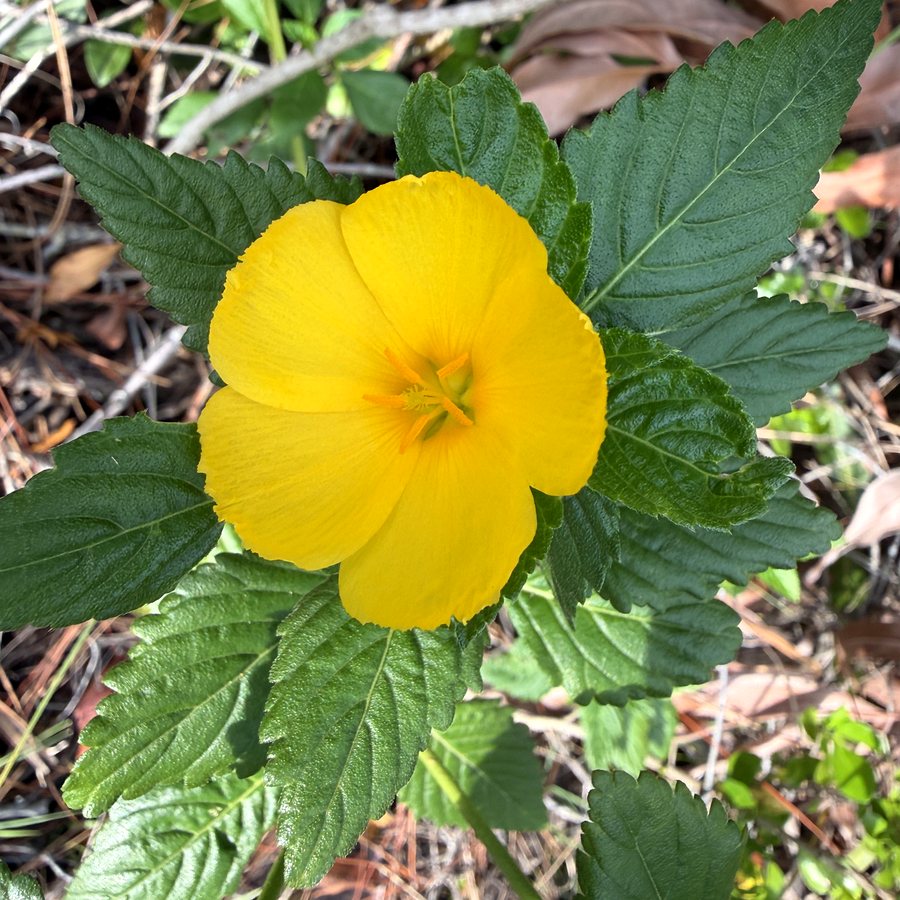
1. The flower parts
The visible organs to know first.
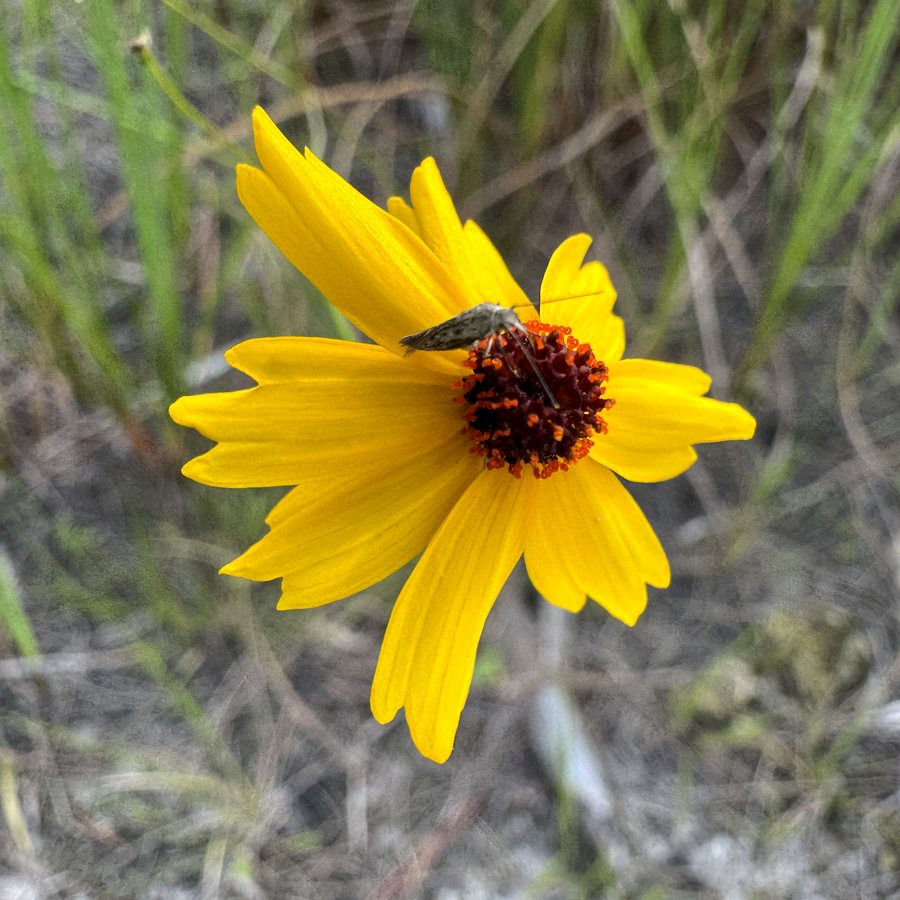
2. The type of flower
Complete or incomplete? Male, female or bisexual?
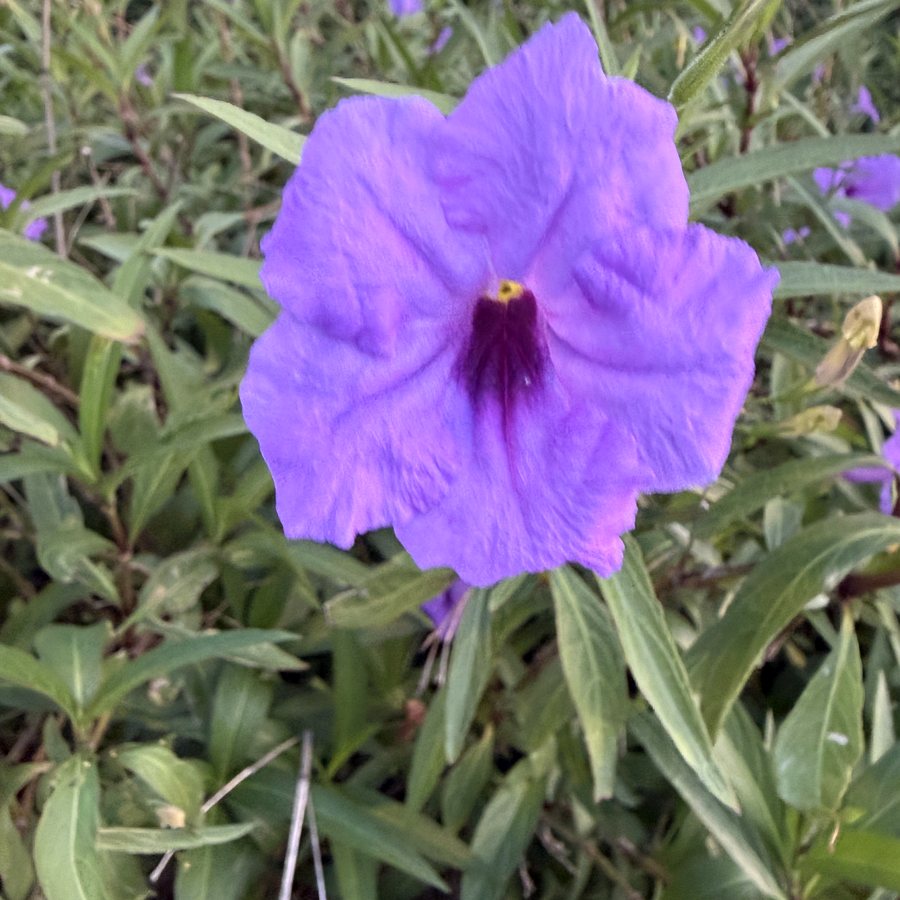
3. The perianth
The outer envelope: sepals, petals or tepals.
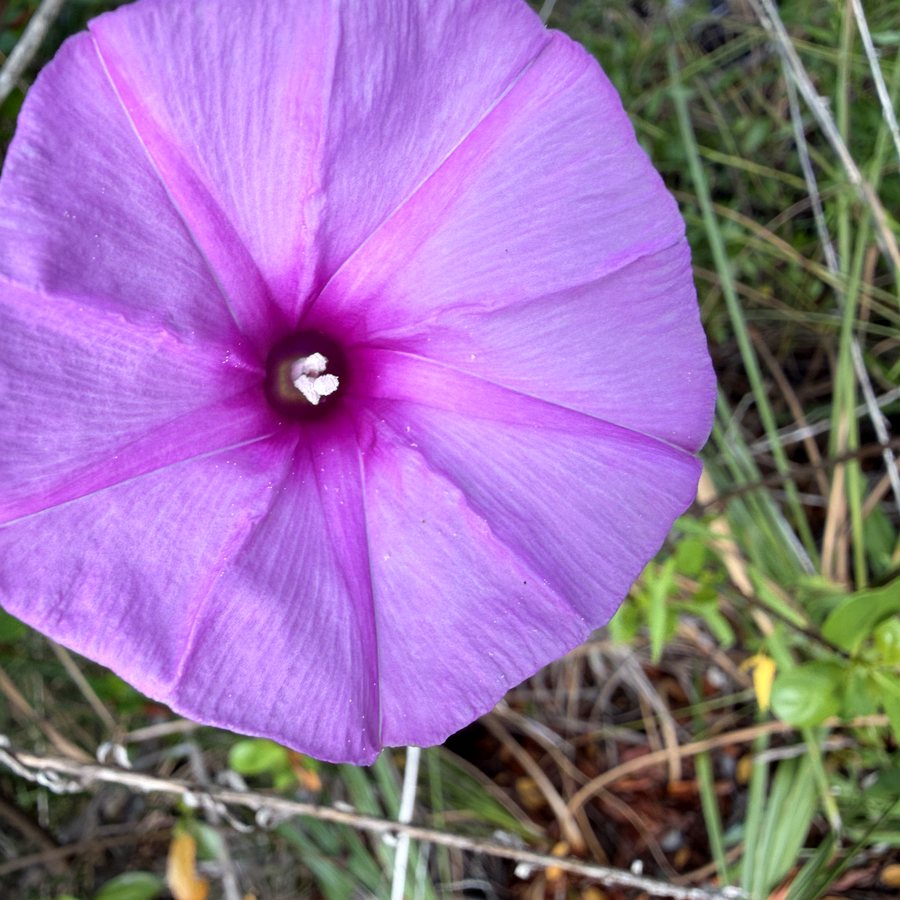
4. Symmetry and shape
How the flower guides its pollinators.
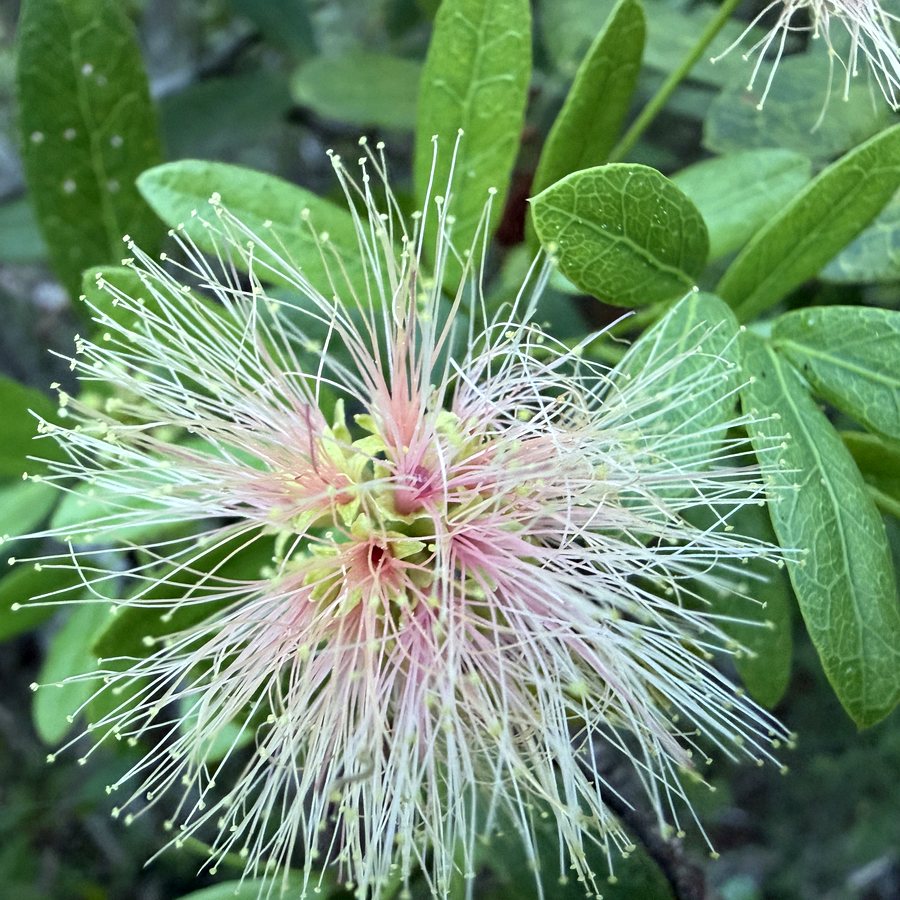
5. Stamens and carpels
The androecium (male) and gynoecium (female).
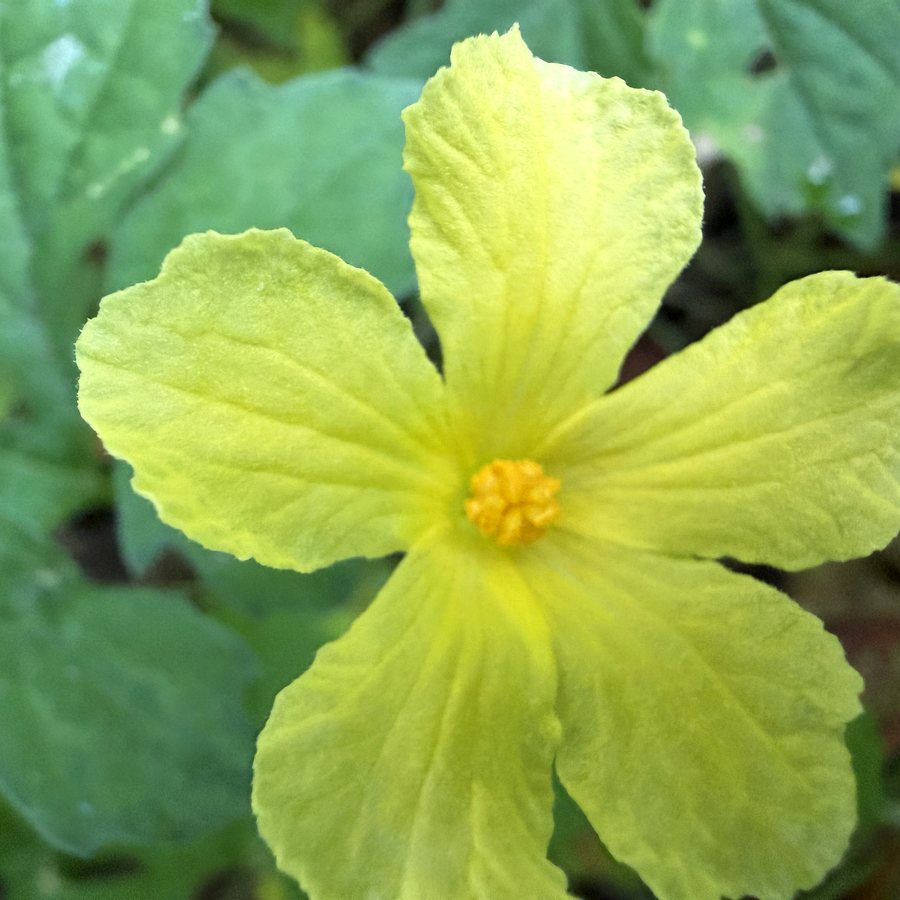
6. The inflorescence
How flowers are arranged on the stem.
Field tip: first observe the general organization (solitary flower or inflorescence, presence of petals, sepals, stamens, carpels), then the strategy (color, scent, nectar, corolla shape, likely pollinator), then note the words in English, French and Spanish.
Priority vocabulary
The most useful words to describe a flower in the field, in three languages.
The complete flower vocabulary
9 sections · ~150 terms · definitions in French, English and Spanish.
Enter your email to receive the document.