Become a Botapreneur
Botanist-Entrepreneur or Entrepreneur-Botanist: choose your path
Botapreneurs supports two profiles that need to meet: botanists, Plant Masters and plant professionals who have the knowledge but not yet the business model; and entrepreneurs, investors or plant-project leaders who have the vision but not yet the botanical mastery.
The botanist learns to build a venture. The entrepreneur learns to master plant knowledge. In both cases: becoming a Botapreneur.
The problem
Two worlds work with plants but don't always speak the same language
Botanists, Plant Masters and plant professionals often have precious knowledge: observation, identification, documentation, uses, botanical families, habitats, conservation, data and transmission. But they haven't always learned to build an offer, define a client, set a price, communicate their value or generate revenue.
Entrepreneurs, investors and plant-project leaders often have a vision: natural products, gardens, health, agriculture, cosmetics, ecotourism, data, training or services. But without botanical mastery, their projects can stay superficial, fragile or lack scientific rigor.
Botapreneurs exists to bridge this gap: connecting plant knowledge, entrepreneurship, conservation, data, services, revenue and impact.
Two paths, one destination
Choose your starting point

You start from plants
Botanist-Entrepreneur
You are a botanist, Plant Master, student, researcher, naturalist, agronomist, plant professional or advanced enthusiast.
You have the knowledge, but you want to learn to turn it into an offer, service, training, content, database, support, project or revenue.
Your goal: turn your botanical knowledge into a sustainable, credible and useful activity.
You start from business
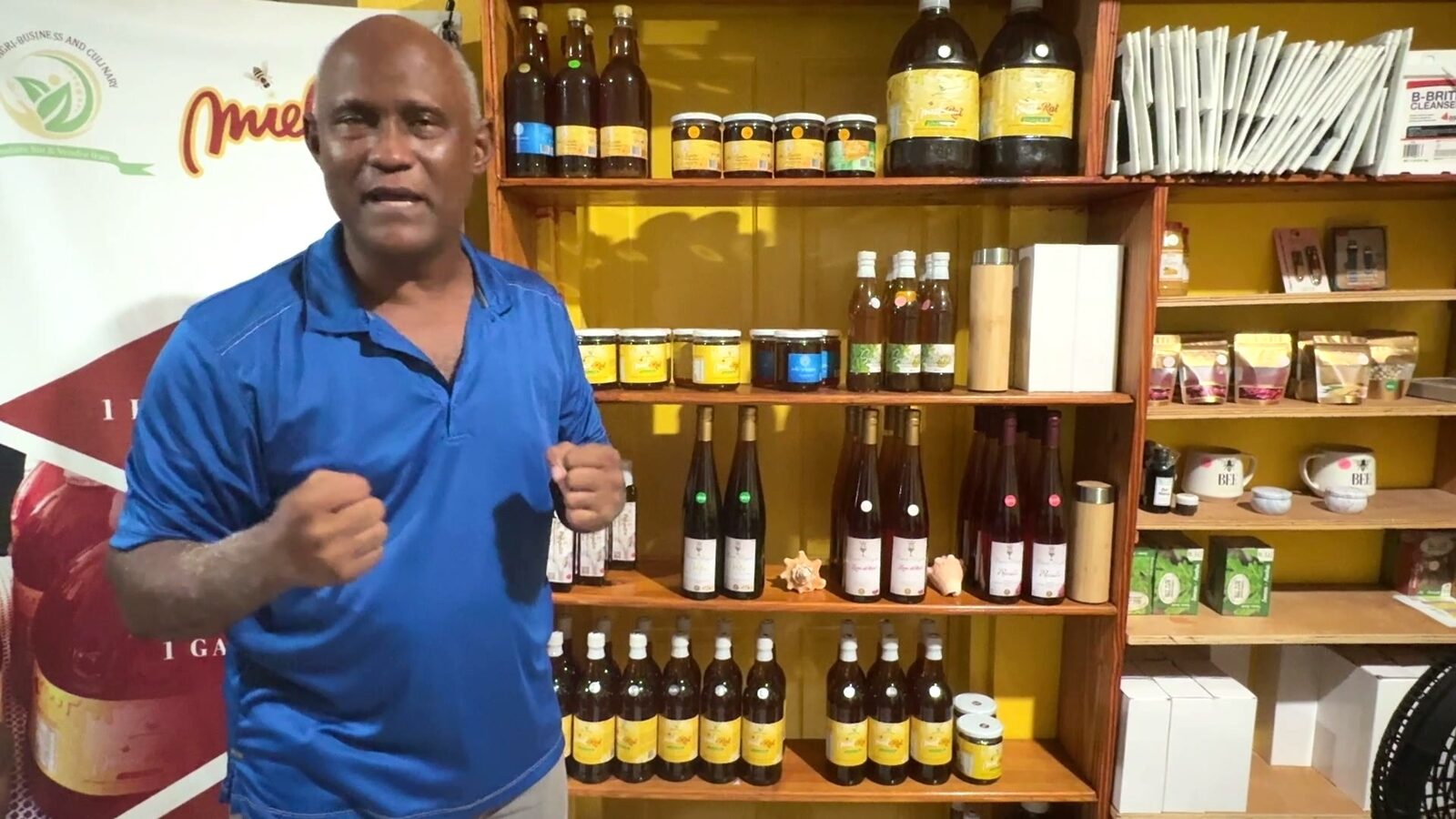
Entrepreneur-Botanist
You are an entrepreneur, investor, creator, consultant, plant-project leader or head of an organization that works with plants.
You have the vision, but you need to build a better mastery of plant knowledge to create with more rigor, creativity and responsibility.
Your goal: understand plants better to decide, innovate, create value and build a stronger project.
What you build
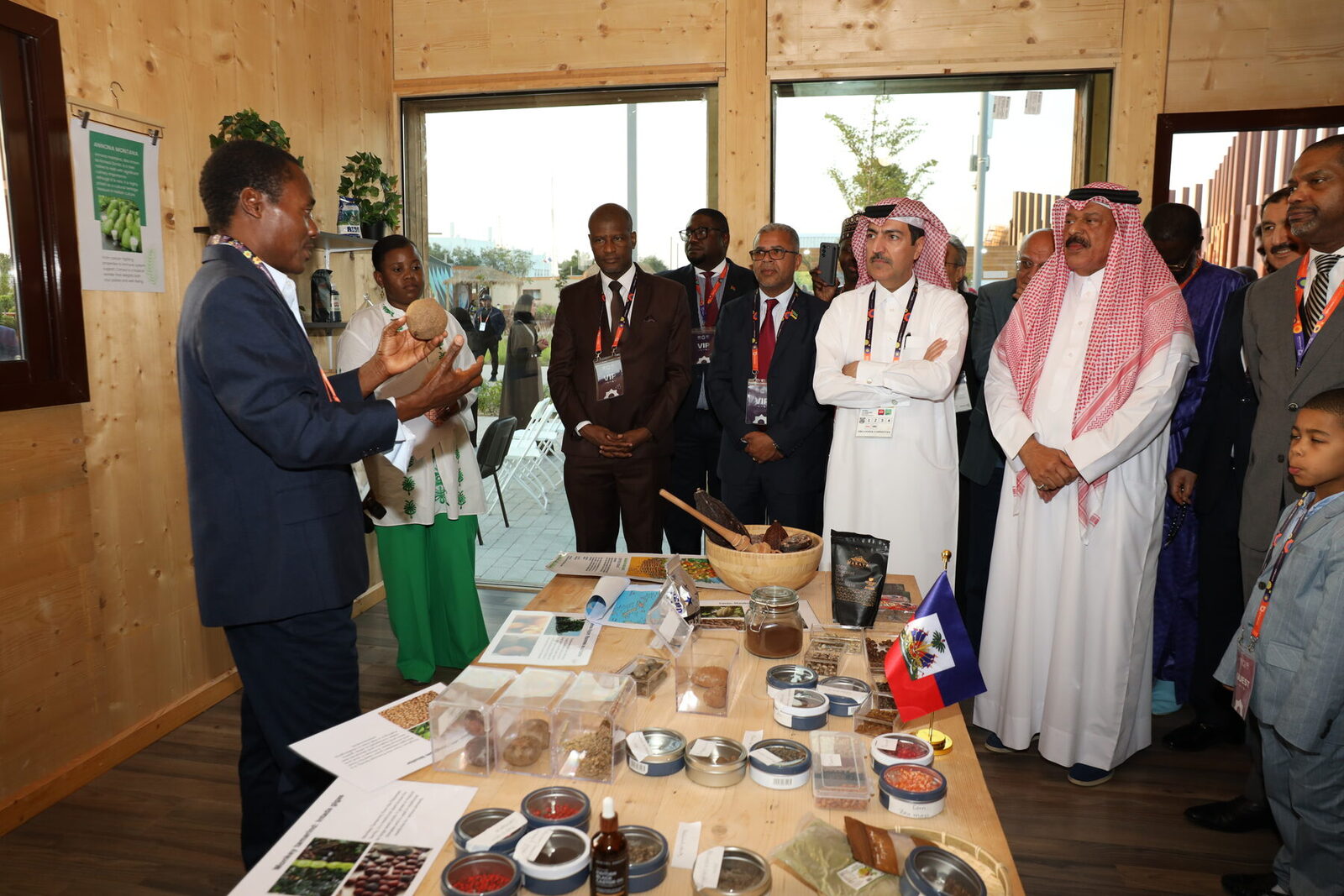
Not just ideas: an entrepreneurial botany offer
The program helps turn your starting point into a clear, presentable and sellable project. You can build:
- ✓a clear botanical niche;
- ✓a defined ideal client;
- ✓a simple, sellable offer;
- ✓a starter business model;
- ✓an educational content strategy;
- ✓a proposal or sales page;
- ✓a service, training, workshop, database or support offer;
- ✓a first plan to find your clients;
- ✓an entrepreneurial botany project ready to present.
The goal: turn plant knowledge into value — services, revenue, projects, institutions, businesses and impact.
The Botapreneur path
A simple method to go from knowledge or vision to an offer
Clarify your starting point
Identify your expertise, vision, project or opportunity around plants.
Choose your client or audience
Define who needs your knowledge, service, training, data or project.
Turn knowledge into an offer
Build a clear offer: consultation, workshop, training, database, guide, program, service or institutional project.
Create a business model
Define how the project can generate revenue, attract partners, create value and produce impact.
Communicate and sell ethically
Use educational marketing to teach, raise awareness, convince and find your first clients or partners.
Possible formats
Four ways to work together
Online program
Courses, exercises, templates, sheets, examples and a final project.
Group support
Online sessions, feedback, offer reviews and strategic discussions.
One-on-one consulting
Tailored support to build your offer, sales page, strategy or business model.
Institutional version
Adapted for universities, schools, NGOs, botanical gardens or institutions that want to integrate entrepreneurial botany into their programs.
Pricing
Choose your support
Strategy call
On request
To clarify your profile, idea, market and the best path.
One-on-one coaching
On request
To work on your offer, positioning, sales page, strategy or project.
Botapreneur program
On request
To build a complete entrepreneurial botany offer, depending on the chosen format.
Institutional version
On request
For universities, schools, NGOs, botanical gardens or institutions.
Fees may vary depending on the level of support, duration, format and deliverables.
Choose your starting point
If you start from plants, Botapreneurs helps you turn your botanical knowledge into an offer, service, training, business or revenue.
If you start from business, Botapreneurs helps you gain better botanical mastery to create with more rigor, creativity and responsibility.
Frequently asked questions
Frequently asked questions
What is a Botapreneur?
A person who turns plant knowledge into services, training, content, databases, products, projects, businesses, institutions, revenue or impact.
What is a Botanist-Entrepreneur?
A person who has plant knowledge and learns to turn it into an offer, service, training, content, project or revenue.
What is an Entrepreneur-Botanist?
An entrepreneur or project leader who builds a better mastery of plant knowledge to create with more rigor, creativity and responsibility.
Do I need to be a botanist to start?
No. You can start as an entrepreneur or project leader. But to build a solid plant project, you need to develop better botanical mastery or work with botanists and Plant Masters.
What's the best first step?
A strategy call to clarify your profile, idea, market and the right path.