BOTAPRENEURS
The Botapreneurs School of Botany
The space where we learn, share and grow together around plants.
Our conviction
At our school of botany, we believe that to truly understand plants, knowing their name is not enough. You have to follow their story: evolution, ecology, morphology, anatomy, taxonomy, phytochemistry, uses — all the way to the innovation they inspire.
Here, no one learns alone. We share, we support each other and we work together — each at their own pace, each with their own reason for loving plants.
STUDYING BOTANY
Everything is connected
Nothing can be explained in isolation: a plant’s past explains its form, its form explains its uses, and its uses reveal what it can still teach us.
Evolution
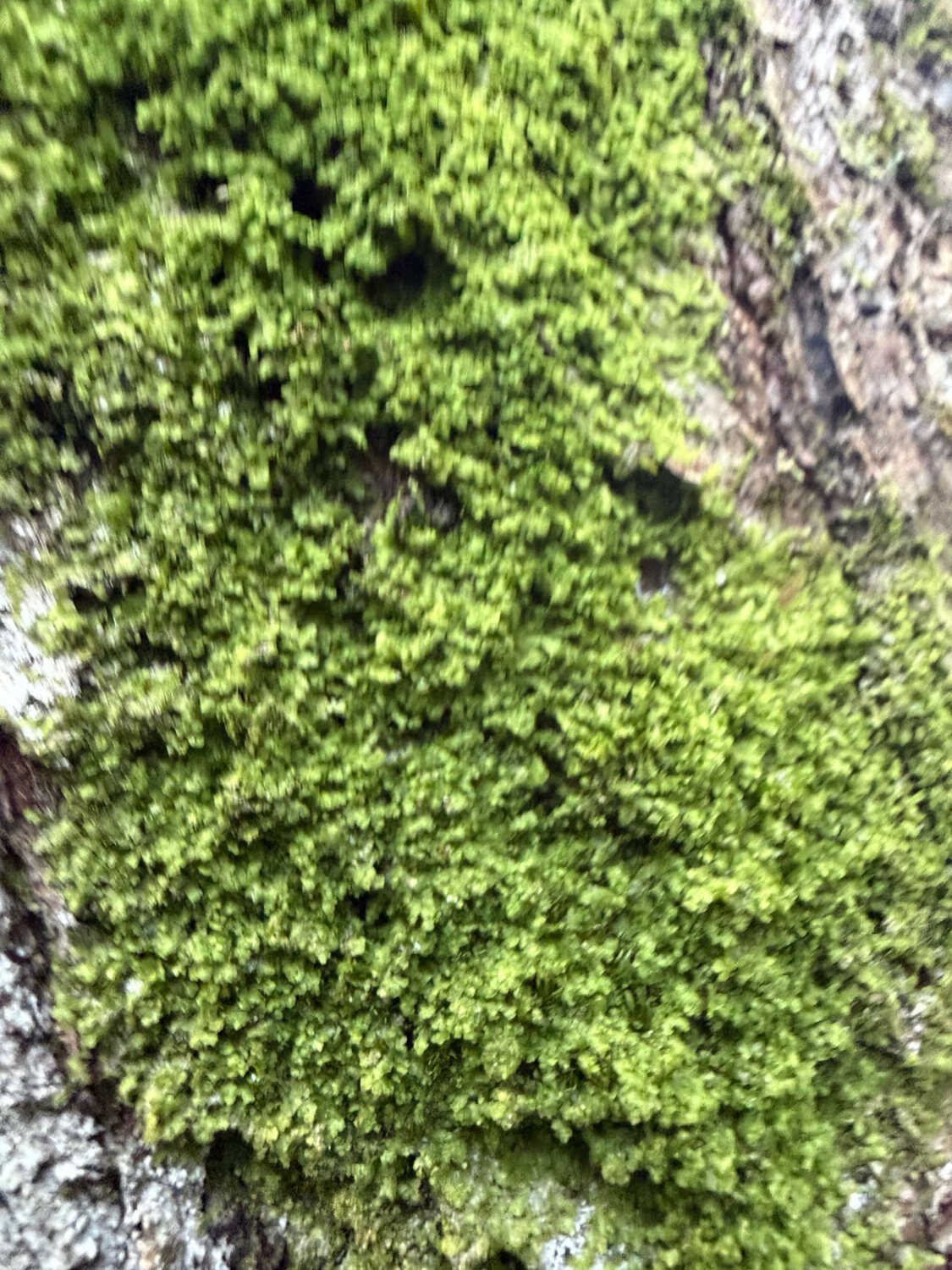
Everything begins with history. More than 400 million years ago, small green algae left the water to conquer dry land. Leaving the water was an immense challenge: not drying out, standing upright, transporting water, reproducing out of water. At each step, plants invented a solution. Mosses, around 470 million years ago, settled on land but stayed small and dependent on moisture. Ferns, around 420 million years ago, invented conducting vessels and could finally grow tall. Conifers, around 340 million years ago, invented the seed, which protects the embryo and travels far. Then, around 140 million years ago, came the flowering plants — the latest arrivals, and yet today nearly nine plants out of ten. Nothing in a plant is random: every form is an answer found along this long history.
Ecology
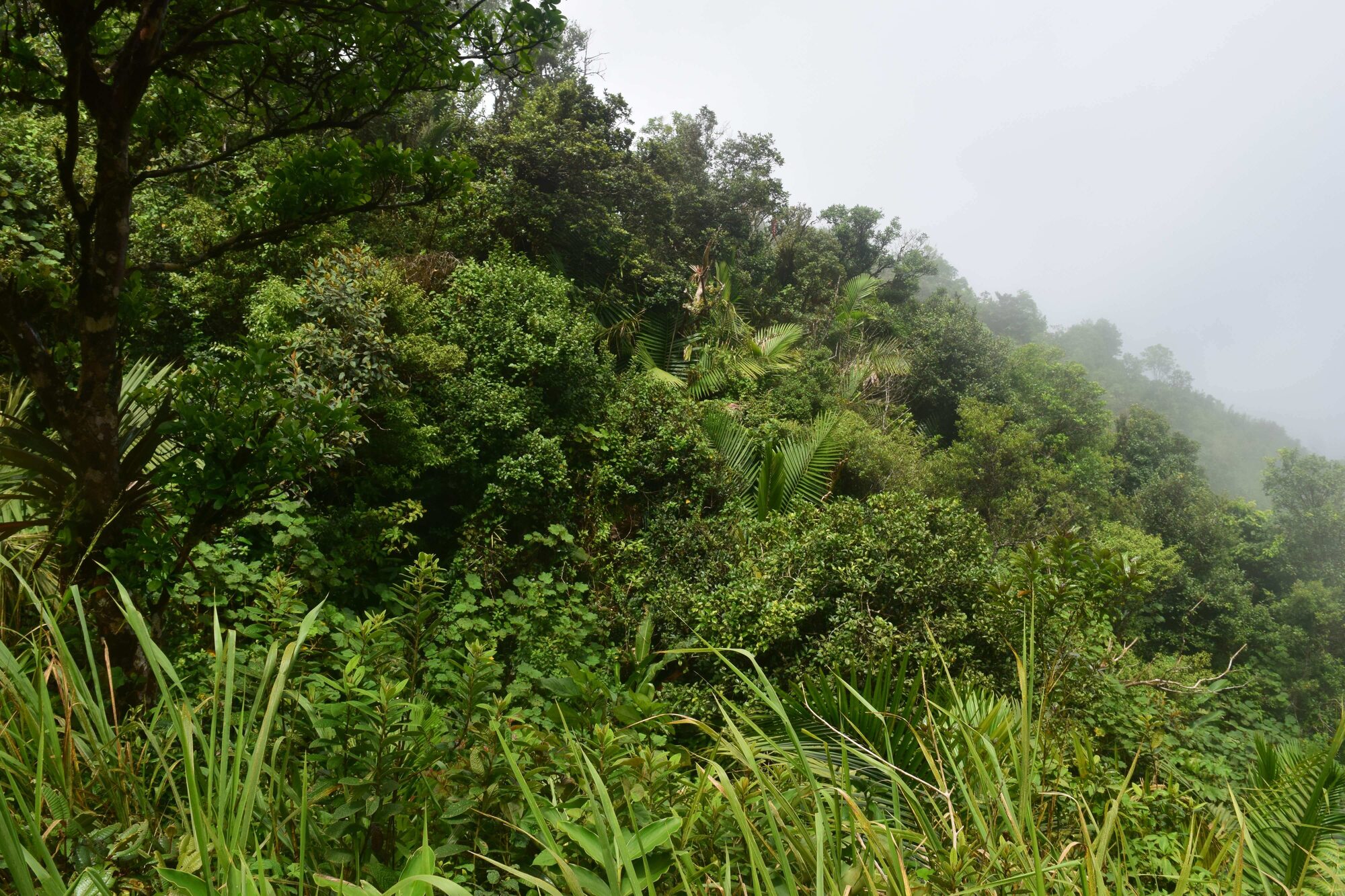
Plants have never evolved alone. They evolved with a soil, a light, a rainfall — and above all with other living beings. About 90% of land plants live in association with soil fungi (mycorrhizae), which extend their roots and bring them water and minerals; in exchange, the plant gives them the sugar it makes. Nearly 9 out of 10 flowers depend on an animal to carry their pollen. Others entrust their seeds to birds and bats. From these relationships come true partnerships. And since it cannot flee, a plant must also defend itself: with thorns, thick bark or powerful chemistry. The environment imposes a constraint, the plant responds — and that response ends up visible in its body.
Morphology
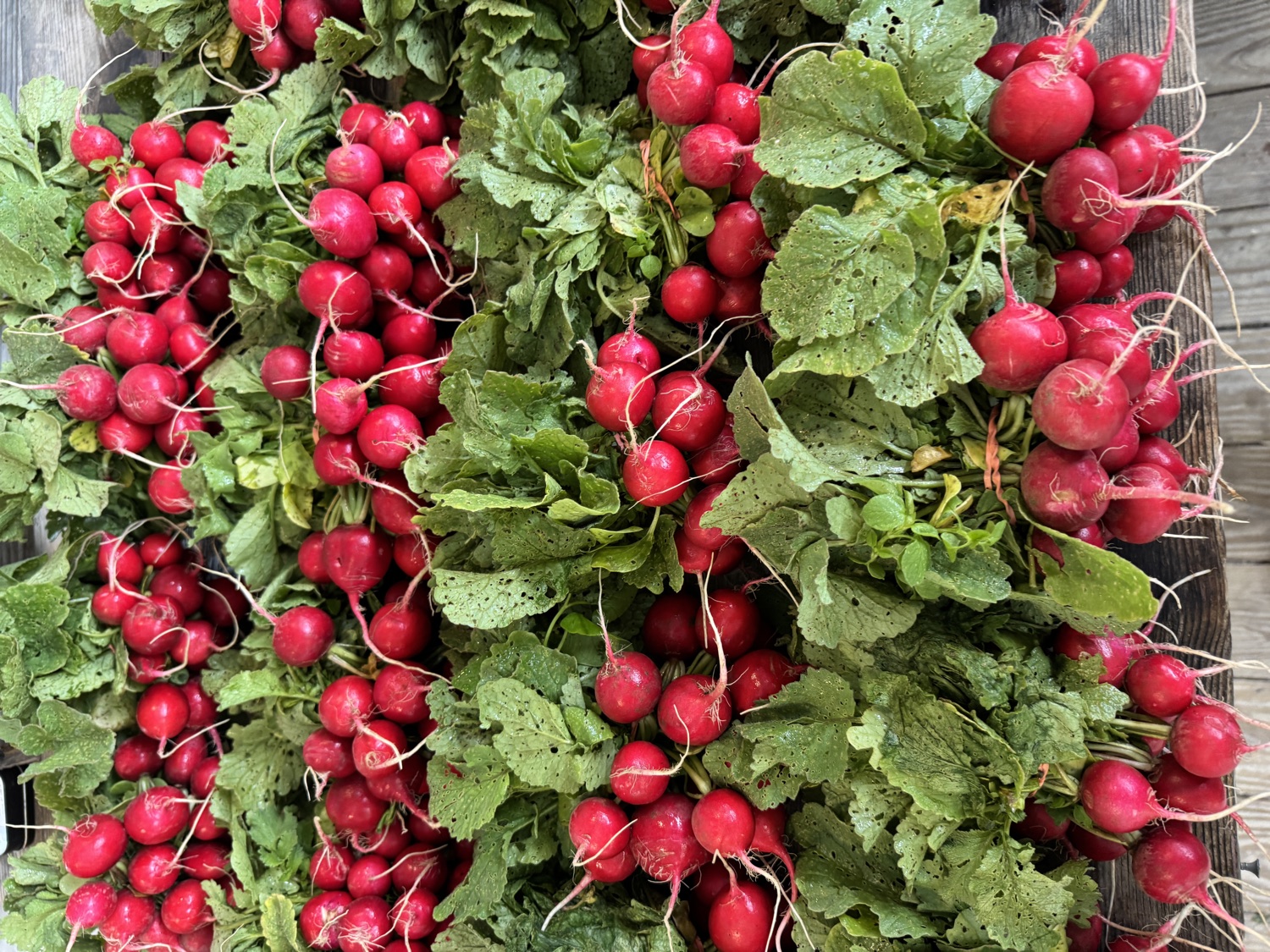
This long evolution produced an extraordinary diversity of forms — and that is morphology. A root can anchor and absorb, but also turn into a storage organ, as in the radish, the carrot or the yam. A stem can be upright, creeping, climbing, thorny, or become an underground rhizome. A leaf can be broad to capture shade light, reduced to a needle to withstand cold, or to a spine to withstand drought. A flower can be open to all or closed around a single pollinator. Every form tells of a constraint and a solution. Learning morphology means learning to read these forms — it is the basic vocabulary without which you can neither describe, compare nor identify a plant.
Taxonomy and identification
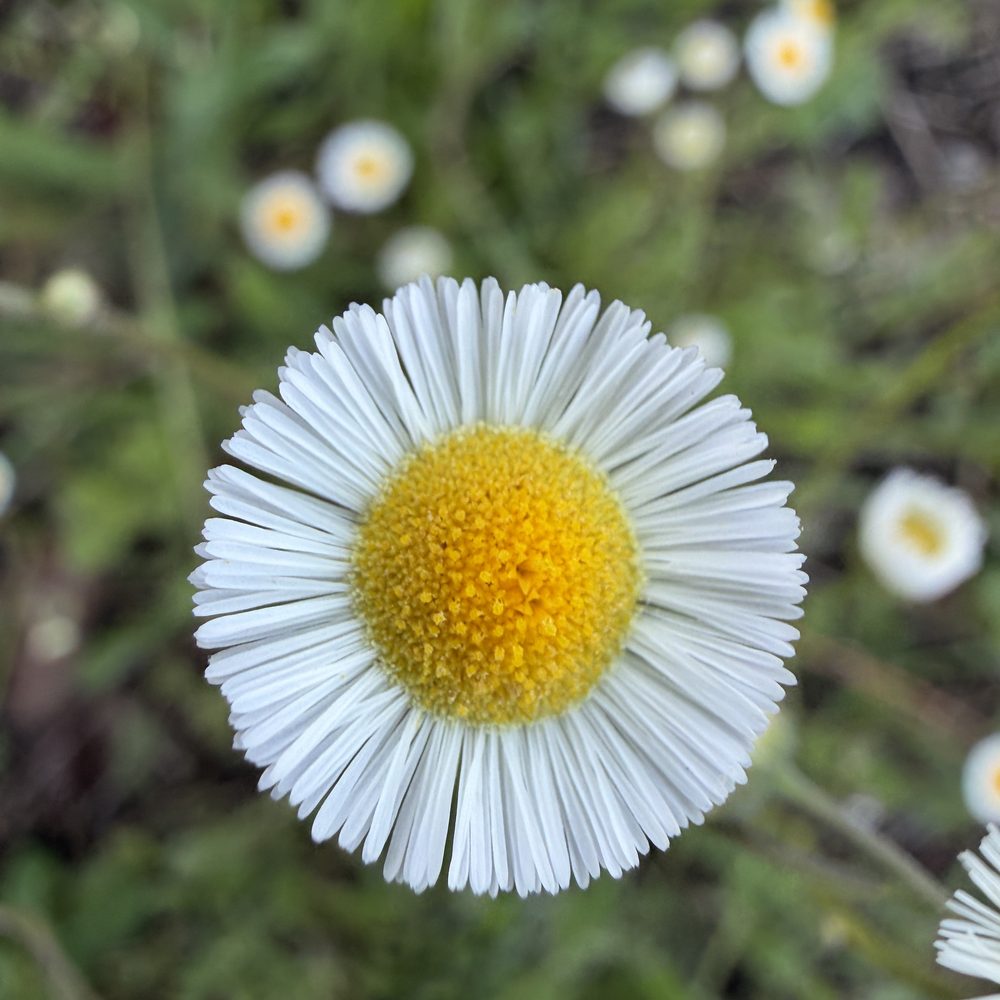
All these forms had to be put in order. For centuries, every region named plants in its own way, and the same plant carried ten different names. In the 18th century, Linnaeus proposed a simple, universal solution: two Latin words, the genus and the species — a name understood worldwide. The method itself has not changed: you observe several characters at once (leaf, flower, fruit, stem, habitat), you compare, then you classify by kinship — family, genus, species. Recognizing a family saves precious time: legumes by their pods, daisies by their flower heads, mints by their square stem and scent. But beware: two plants of the same family can have very different properties. That is why an app that gives a name will never replace an identification made with method.
Phytochemistry
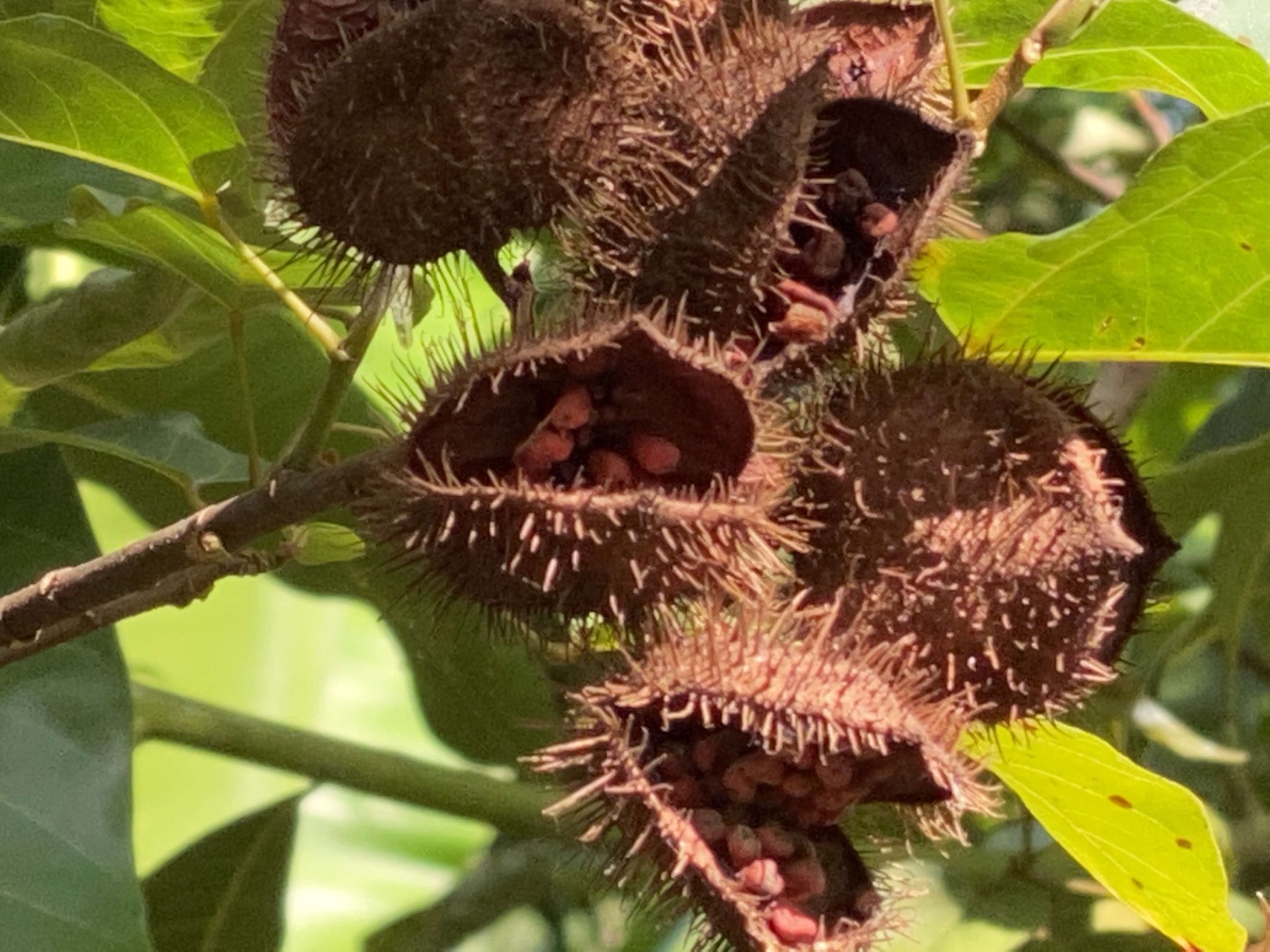
To defend themselves, adapt and develop, plants have built a remarkable chemistry. They first produce the basic molecules of life — sugars, proteins, lipids — which feed us. Then they make what we call secondary metabolites: terpenes, flavonoids, alkaloids, tannins, saponins. Those are not for growing, but for surviving: repelling an insect, resisting a fungus, protecting against the sun, attracting a pollinator. And it is precisely this survival chemistry that interests us: it gave us our medicines, our spices, our perfumes, our dyes and our poisons. Quinine against malaria, aspirin from willow, the dye of annatto — all of these are solutions invented by plants that humans learned to use.
Uses and ethnobotany
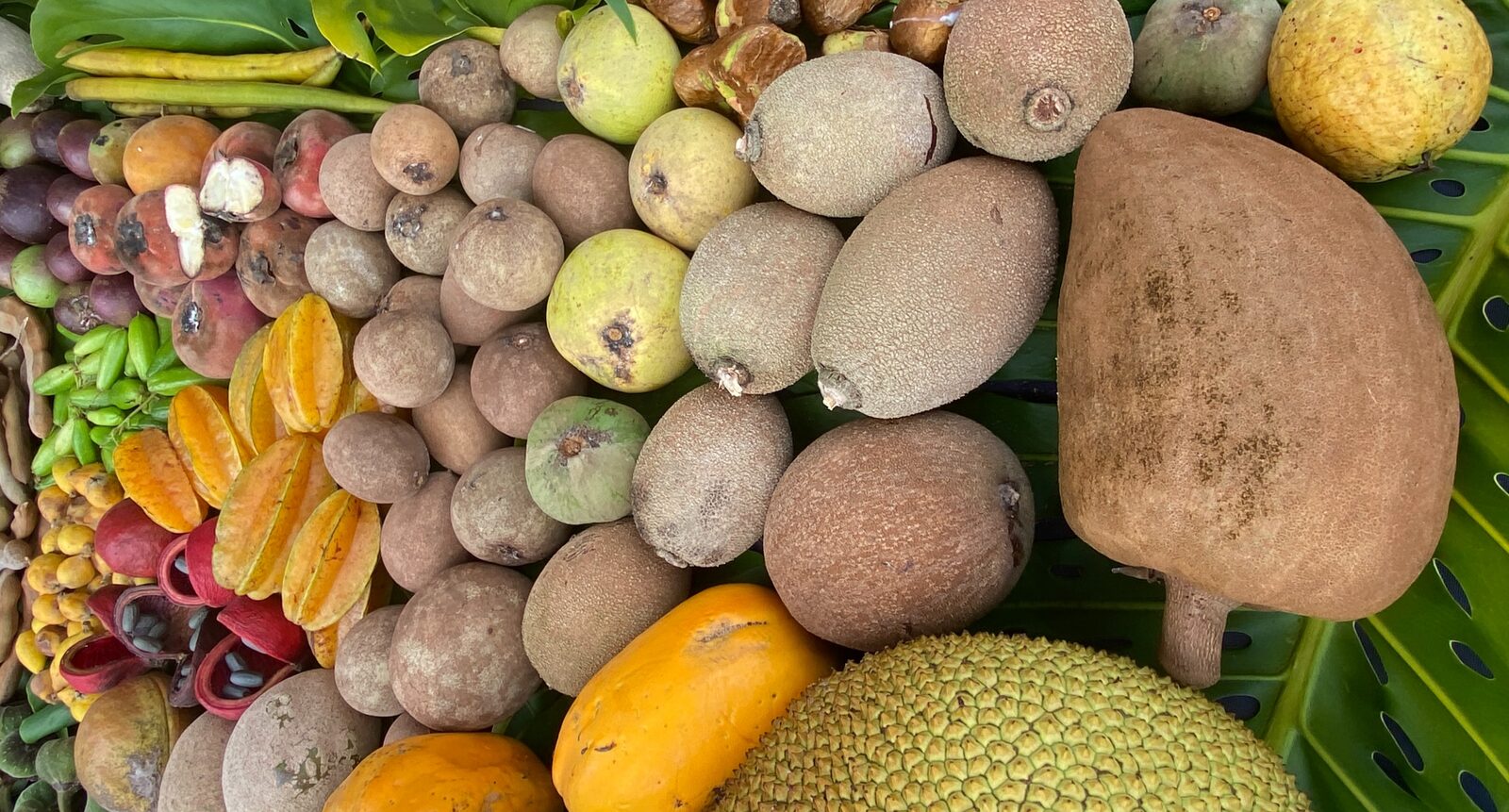
Since it appeared, around 300,000 years ago, humankind has lived with plants. Like other animals, it first learned by observing and trying: what feeds, what heals, what kills. But unlike other animals, it passed this knowledge on — from generation to generation, through speech, through gesture, through language. This is how agriculture, traditional medicine, textiles, dyes, perfumes and building techniques were born. Ethnobotany studies this relationship between plants and peoples. This knowledge is a science accumulated through experience, and it is fragile: when a language or a practice disappears, part of the plant’s value disappears with it — sometimes even before the species does.
Innovation
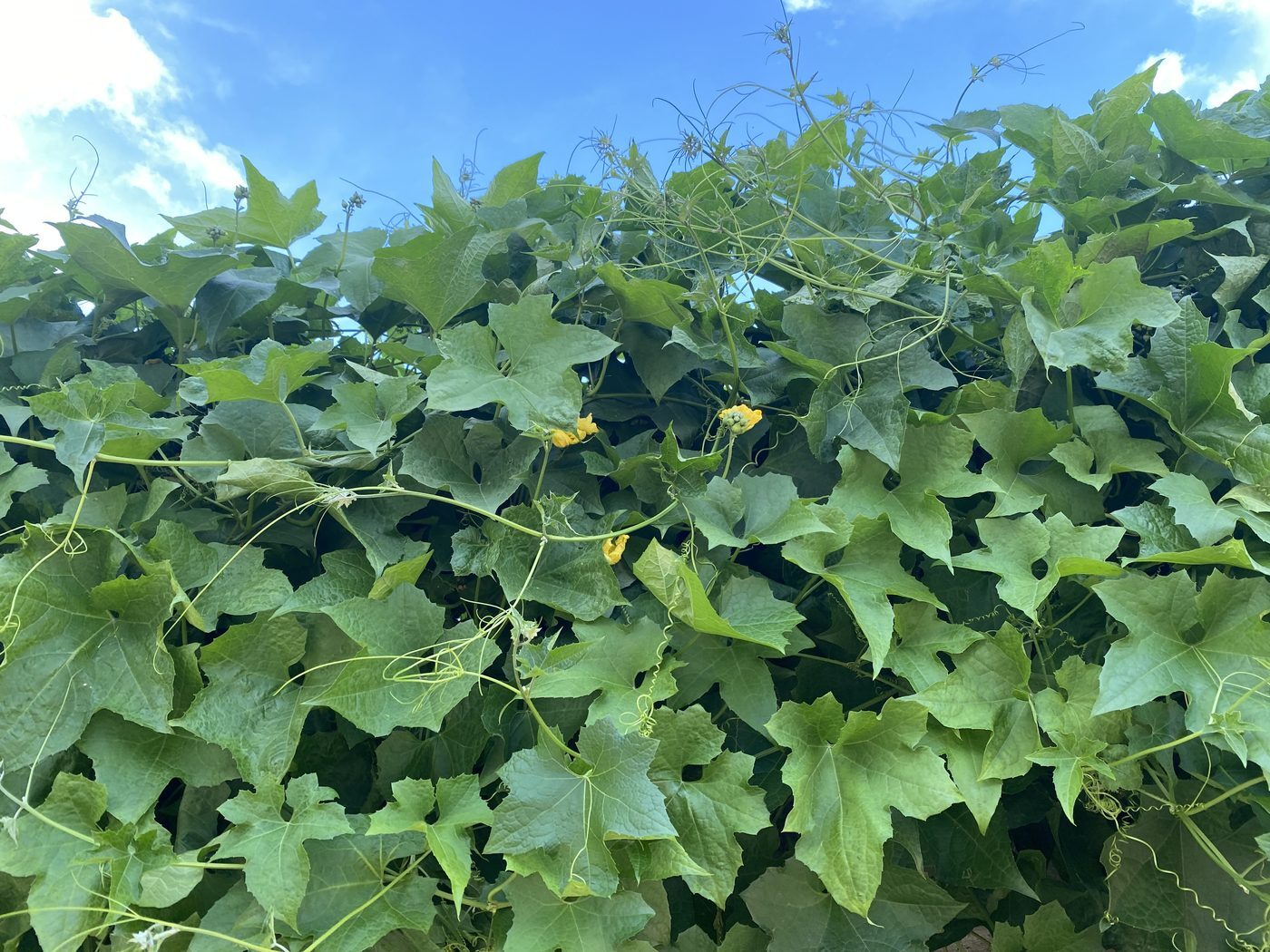
Plants have been innovating for millions of years, moving from one state to another to solve their problems. And their solutions inspire us. The leaf is the best example: a collector that turns solar energy into living matter — a principle that inspired solar power and research on artificial photosynthesis. Winged seeds inspired forms of flight; water-repellent surfaces inspired self-cleaning materials; plant molecules keep inspiring medicines and natural products. Understanding plants means accessing a library of solutions already tested by evolution — and still largely unexplored.
AND YOU — WHERE ARE YOU?
Take the orientation test
You have seen how everything connects. In 15 minutes, find your starting point — and the next step made for you.
Start the testWHAT NEXT?
Understanding leads further
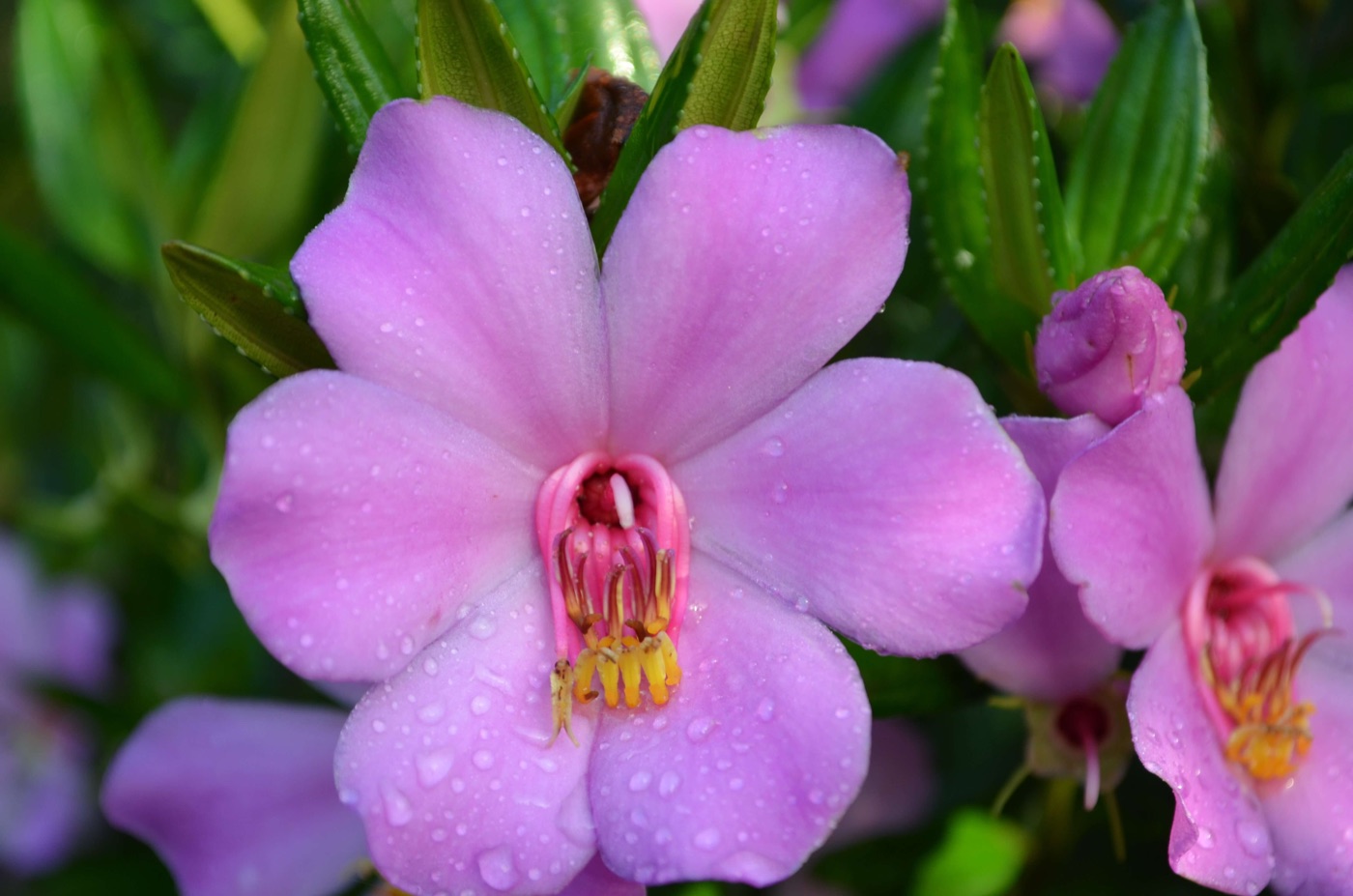
Understanding plants opens two other great paths.
OUR VISION
Understand in order to conserve, use and create
We do not only want to teach people to name plants. We want to teach them to understand plants deeply enough to conserve them, use them responsibly and create new solutions from that knowledge.