CONSERVE
Conserving plants
Plant diversity is threatened. Conserving it means protecting species, their genes, their ecosystems — and the knowledge that goes with them.
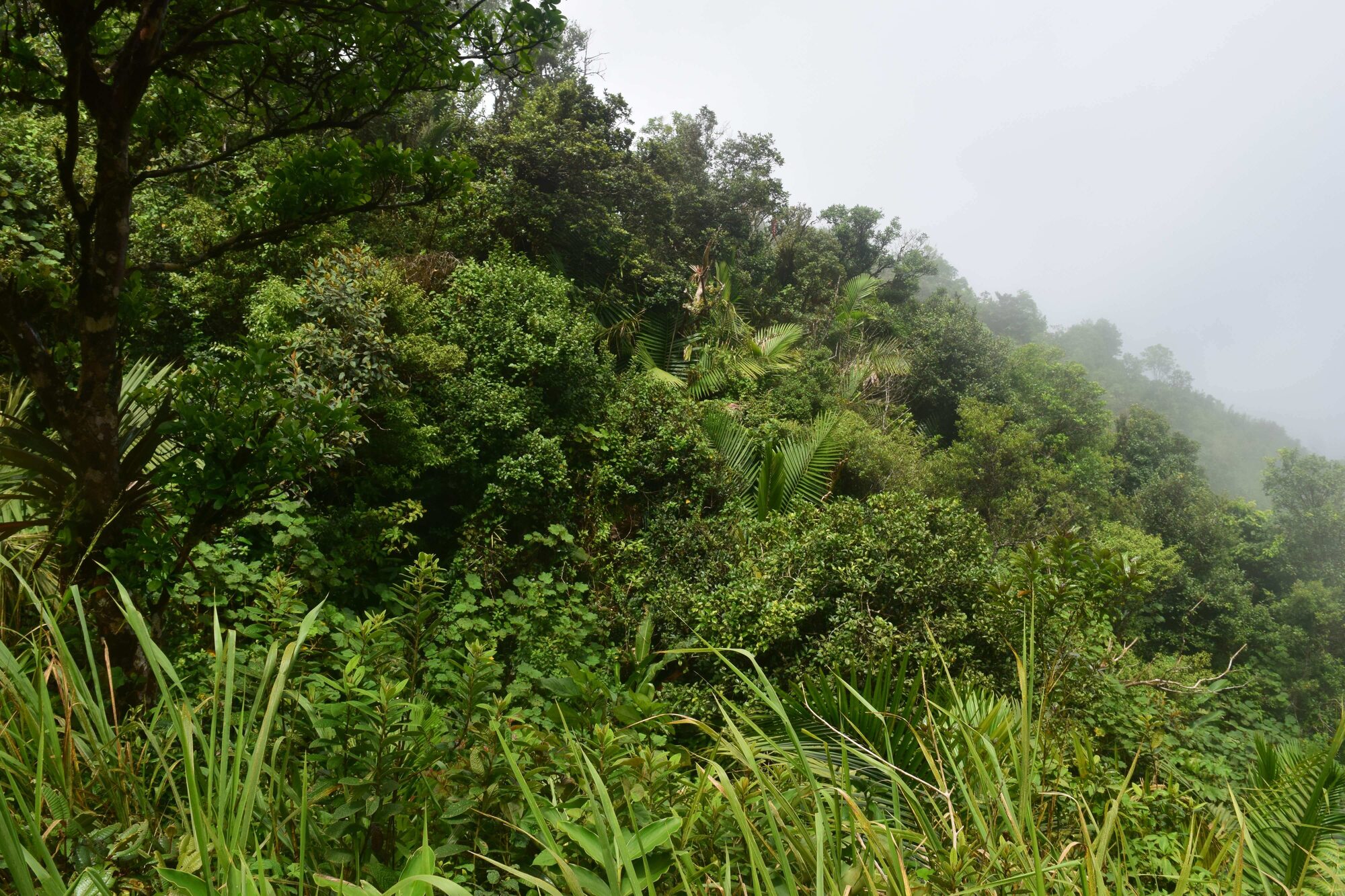
Plant diversity is threatened. Yet plants have innovated for millions of years to bring solutions — for health, for nature, for the environment. Letting species and their interactions disappear reduces our ability to respond to our own wellbeing and to nature’s. A lack of knowledge about plants and their importance drives deforestation, an inability to face climate change, and the destruction of habitats. It is time to relearn — otherwise the loss deepens from generation to generation. Conservation is not a single act: it happens at several levels, from the species to the gene to the ecosystem.
LEVEL 1
Species conservation
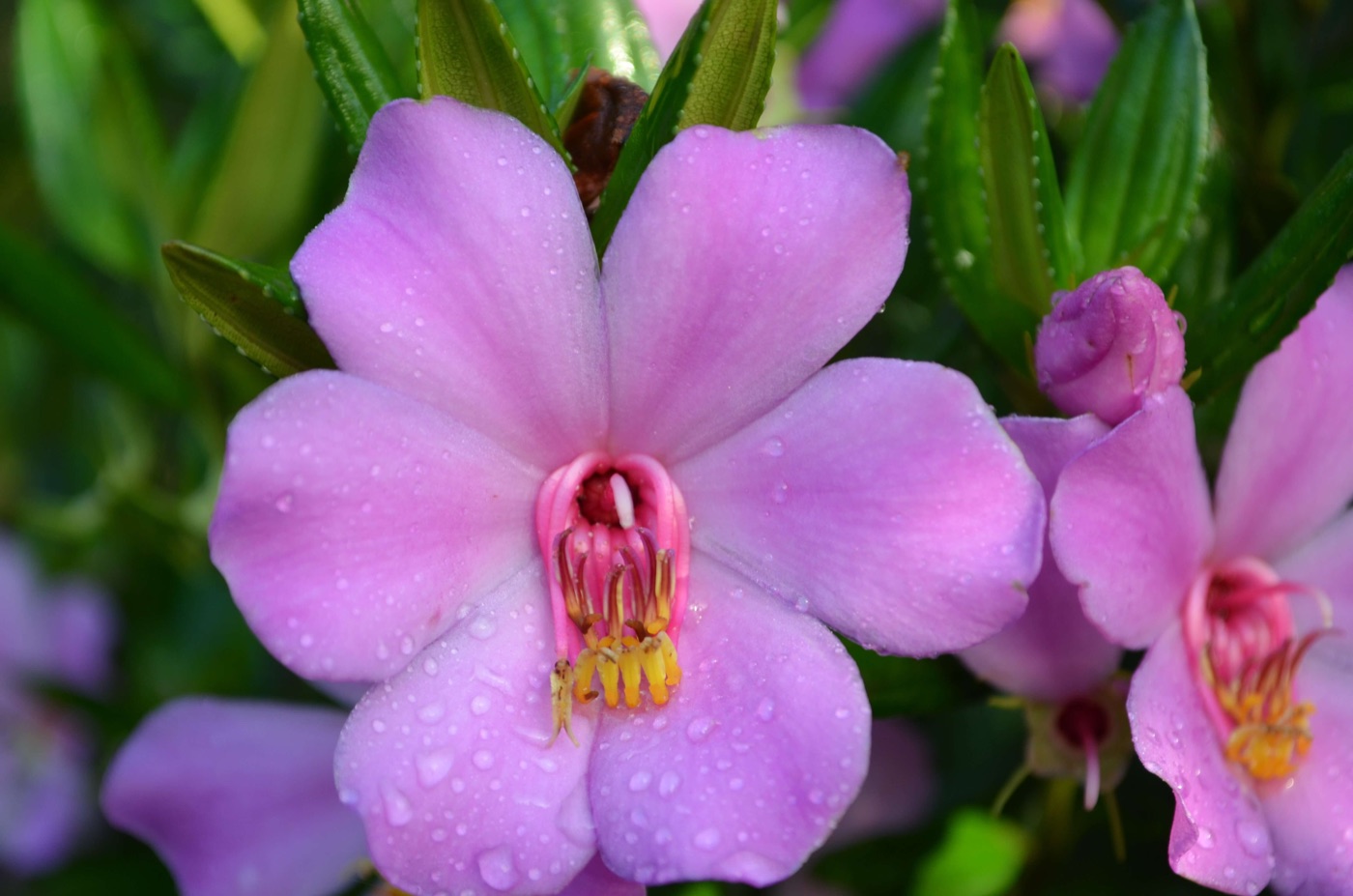
First, identify and protect the species — where it lives (in situ: reserves, protected areas) and outside its habitat (ex situ: botanical gardens, living collections). Look at this flower: Meriana brevipedunculata, strictly endemic to Haiti, which has innovated across millions of years. It is now critically endangered (IUCN Red List). Its importance, its value, its role in nature — we do not know them yet. That is exactly why we must conserve it: we are not only protecting a plant, but a possible answer we have not yet understood.
LEVEL 2
Genetic conservation
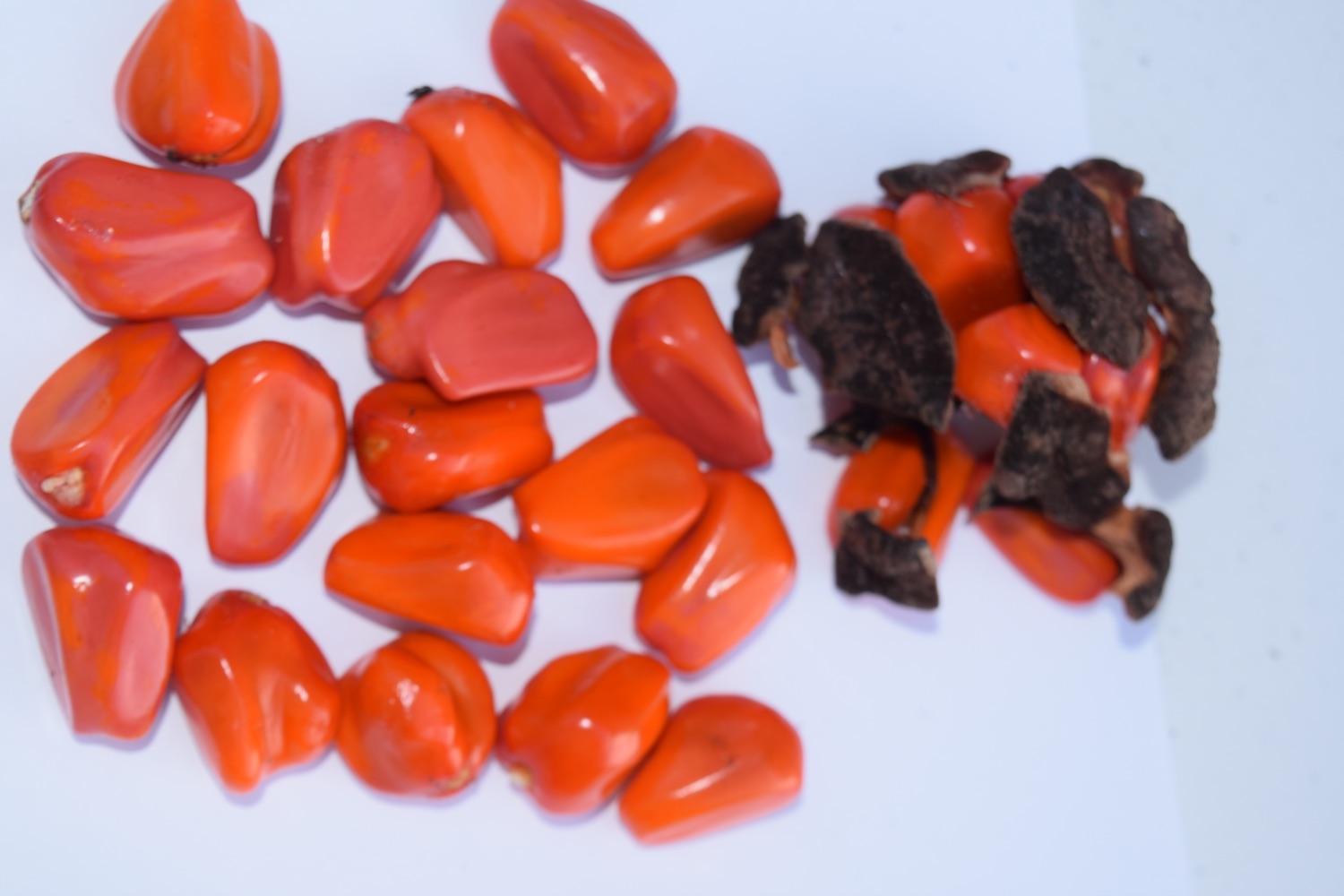
Beyond the species, we must preserve its genetic diversity. Each environment where a plant grows pushes it to adapt and to produce different genes — and different molecules. This genetic diversity is a library of information: it helps us understand ecosystems and holds unique molecules. Losing it means losing solutions we have not yet read. Seed banks, collections and population duplication secure this heritage.
LEVEL 3
Ecosystem conservation
Each ecosystem shapes different adaptations: terrestrial, desert and aquatic plants do not develop the same capacities. Conserving the plants of each ecosystem — with their soil, water, pollinators and neighbors — is fundamental: it protects the whole web of life, and the diversity of answers it contains.
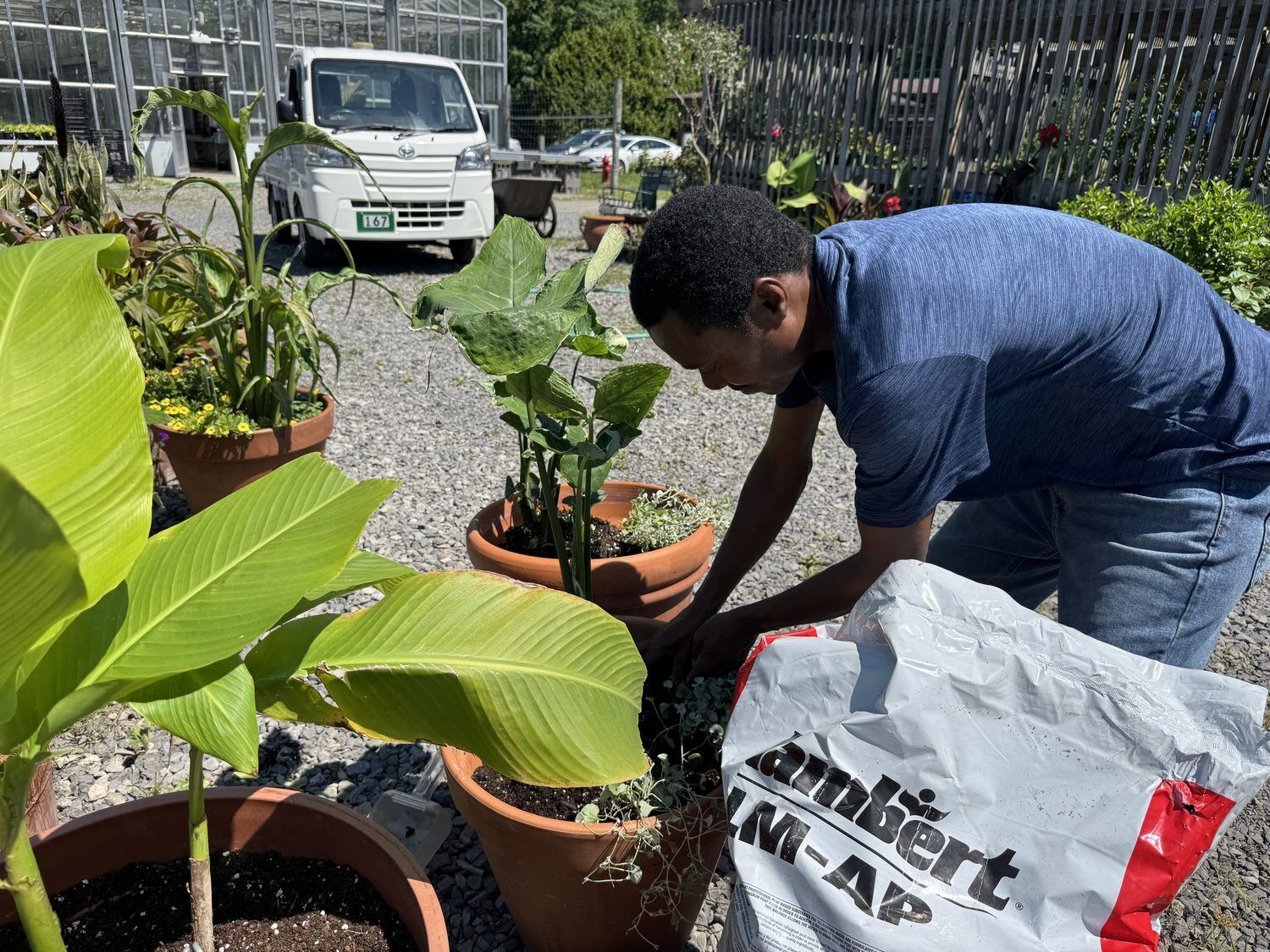
ACT
Ecological restoration
Repairing what has been degraded: reforesting, reintroducing species, rebuilding functional habitats. Restoration gives damaged environments a future again.
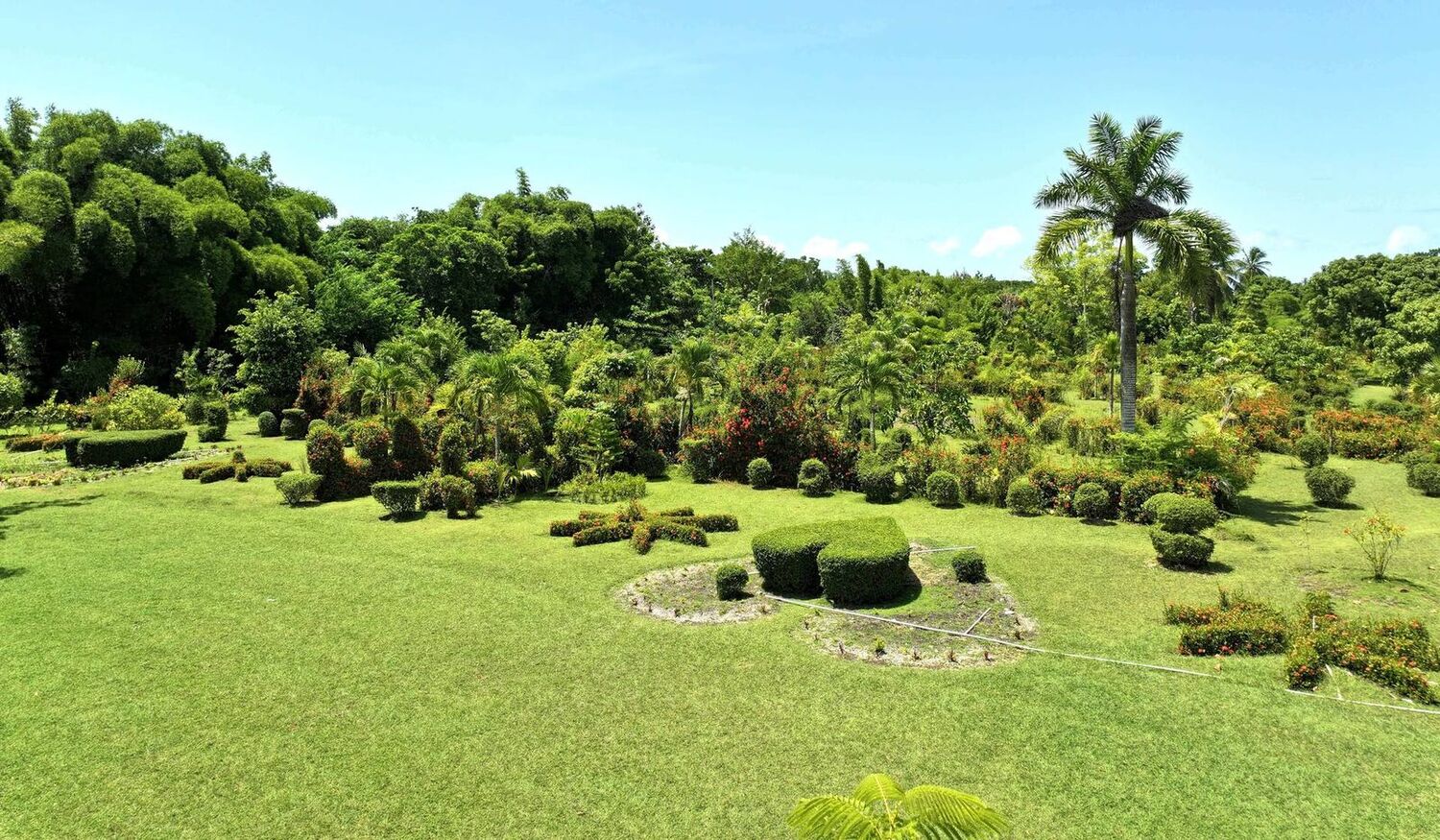
INSTITUTIONS
Botanical gardens
True arks of biodiversity: they conserve, study, educate and reconnect people with plants. Understanding, creating and managing a botanical garden is a major conservation lever.
Learn more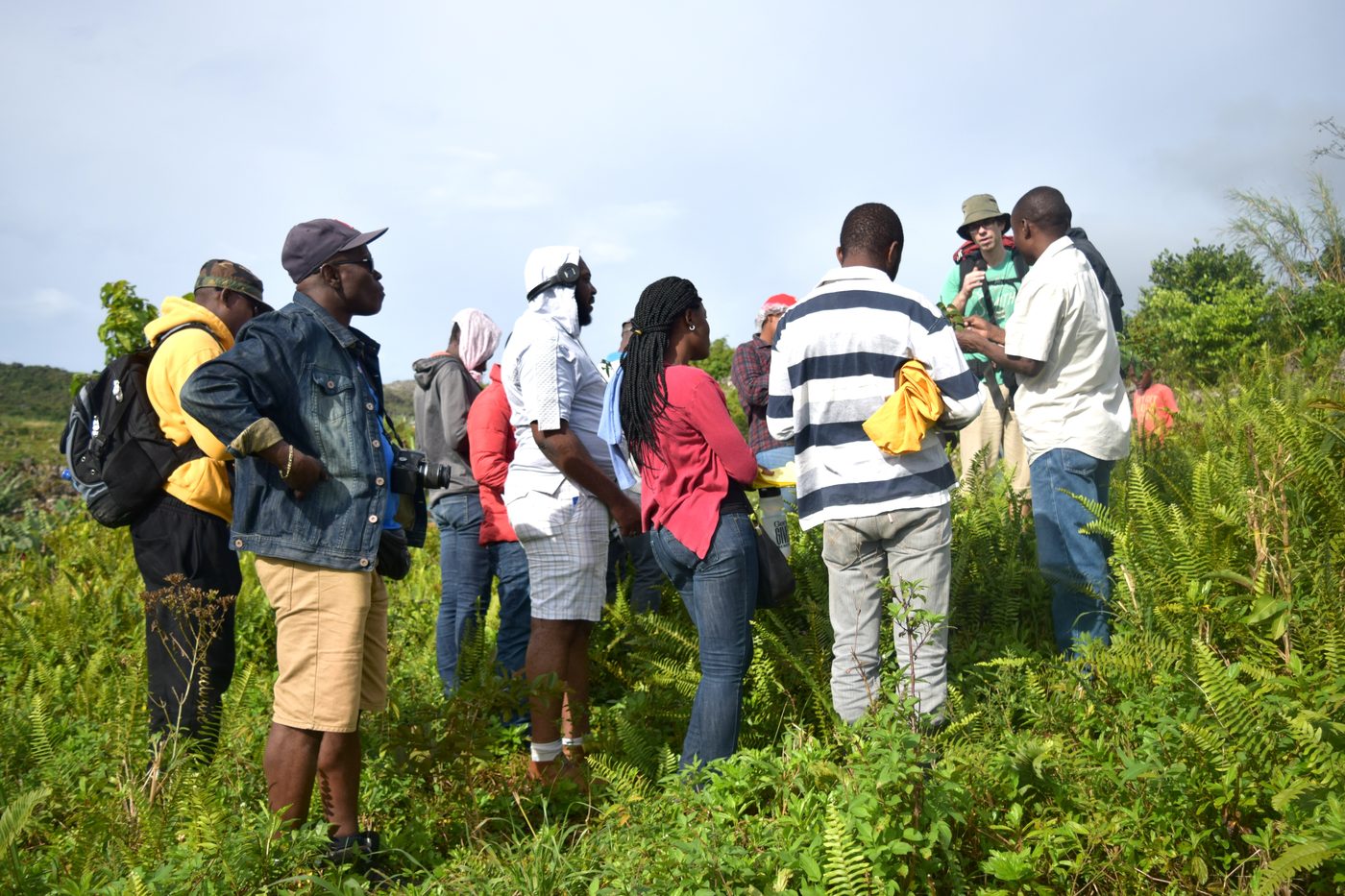
PEOPLE
Training conservationists and institutions
Conservation needs trained people and strong institutions. Botapreneurs trains, connects and equips those who protect plants.
Learn moreBecome a conservation actor
Learn, join the community and help protect plant diversity.