From passion to botanical mastery
Master plant knowledge
You love plants, but you know that loving plants is not enough to truly understand them.
Plant Mastery helps you learn to observe, describe, recognize, document and understand plants with method: their forms, visible features, families, habitats, uses, risks and value for people and nature.
This program is designed for enthusiasts, students, professionals, content creators, institutions and anyone who wants to build a real mastery of plant knowledge.
Why Plant Mastery?
Many love plants, but few really know how to observe them
Practical plant knowledge is gradually disappearing. Many people use plants for health, food, agriculture, well-being, conservation or educational content, without always having the basics needed to decide with rigor.
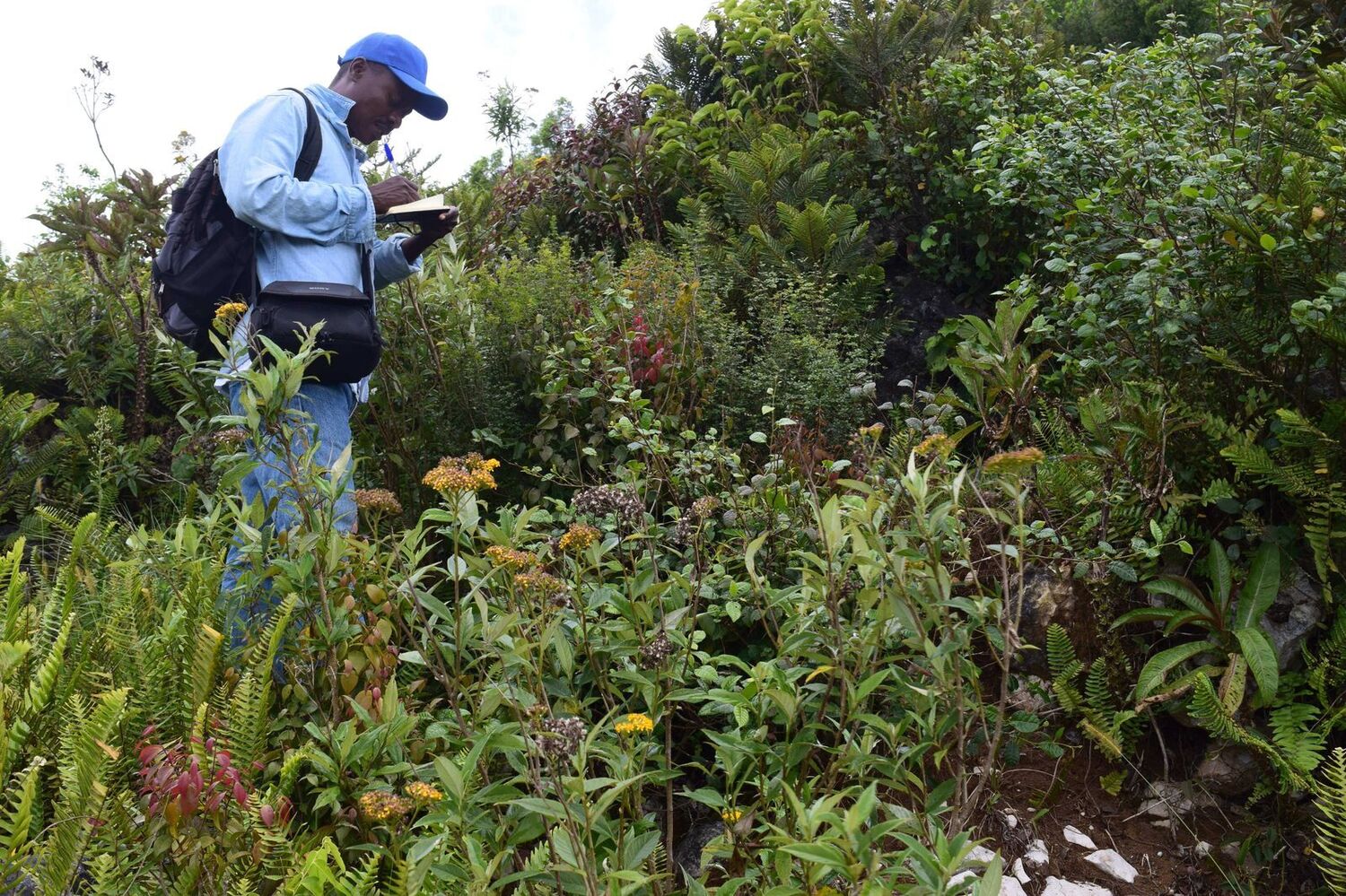
Knowing a plant's name is not enough. You need to observe its features, understand its family, document its habitat, recognize its uses, identify its risks and connect what you see in the field to a deeper understanding of life.
Plant Mastery answers this need: a clear method to move from curiosity to mastery.
The Plant Mastery method
A simple progression to understand a plant with method
Observe
Learn to look at a plant in its environment: habit, leaves, stems, flowers, fruits, seeds, latex, smell, venation and visible forms.
Recognize patterns
Identify the clues that help understand a plant: diagnostic features, repeated forms, botanical families and survival strategies.
Understand
Connect the plant to its family, habitat, functioning, uses, risks and ecological or human value.
Document
Create plant fact sheets, photos, field notes, observations, mini-files and useful botanical data.
Use responsibly
Distinguish uses, limits, risks, precautions and information to verify before any value creation.
The Plant Mastery path
From botanical basics to the final project
The program organizes learning into progressive levels:
Level 1 — Main plant forms
Trees, shrubs, herbs, vines, grasses, palms, succulents, epiphytes and other plant forms.
Level 2 — Visible features
Leaves, flowers, fruits, stems, venation, latex, smell, seeds, inflorescences and features important for observation.
Level 3 — Patterns and botanical families
Recognize the main families and understand what they can reveal about plants.
Level 4 — How the plant works
Connect visible features to biology, growth, reproduction, physiology and survival strategies.
Level 5 — Uses, risks and documentation
Understand possible uses, precautions, risks and methods to document plants with rigor.
Final project
Final project: a 10-plant file
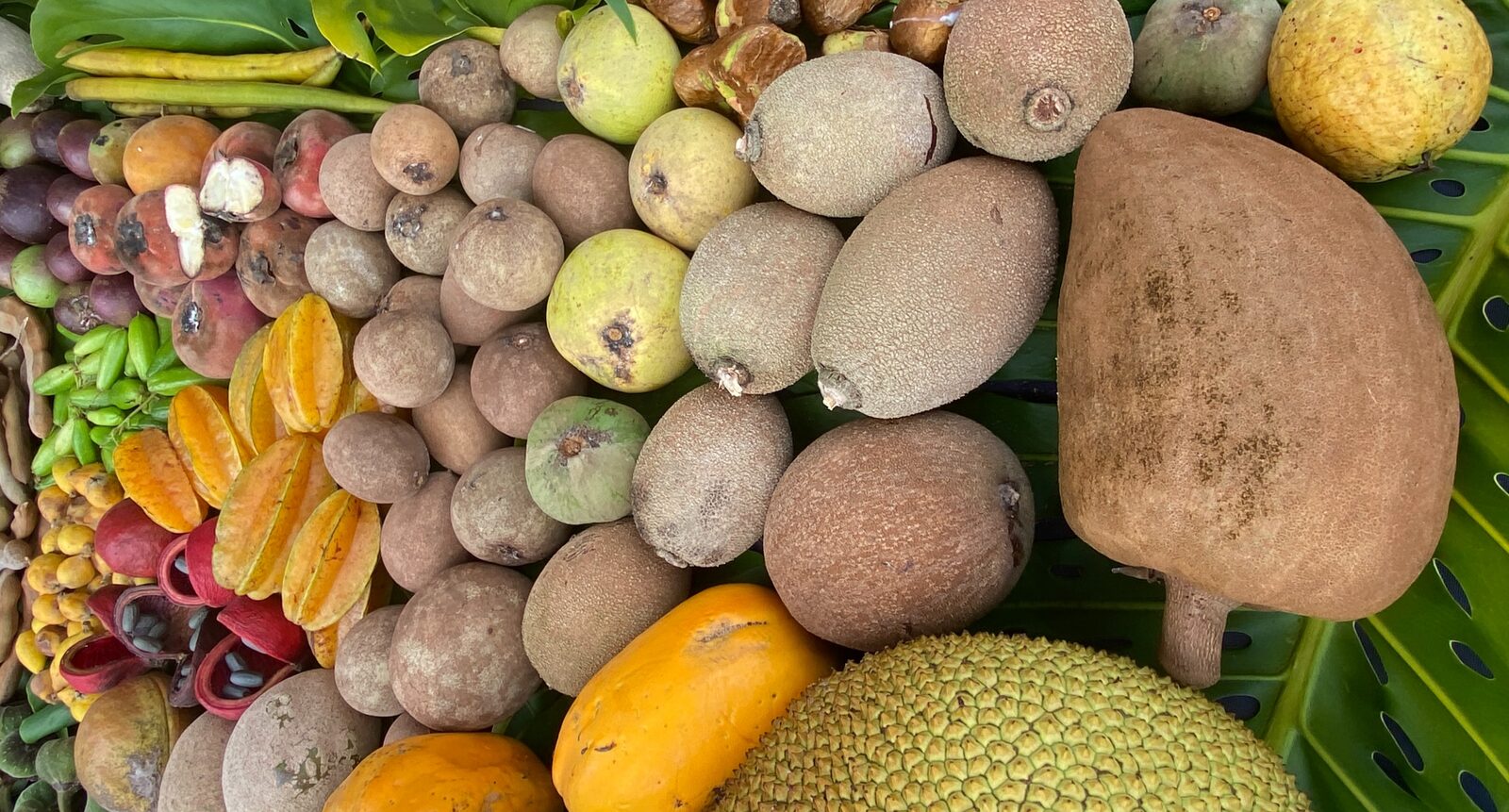
To validate the path, each participant creates a file of 10 plants from their region with photos, visible features, habitat, probable family, known uses, risks and observation notes.
Formats, results and pricing
One method, several ways to follow it
Self-paced course
For enthusiasts, students and content creators who want to learn at their own pace with videos, sheets, exercises, photo activities and a final project.
Guided program
For people who want to progress with online sessions, corrections, follow-up, feedback and support on the final project.
Institutional training
For universities, schools, NGOs, botanical gardens or institutions that want to train a group and adapt Plant Mastery to their context.
Expected results
By the end of Plant Mastery, you'll be able to:
- ✓observe plants better;
- ✓recognize important visible features;
- ✓understand the links between form, family, habitat, use and risk;
- ✓create useful plant fact sheets;
- ✓document plants from your region;
- ✓start a personal botanical database;
- ✓use plants with more caution;
- ✓prepare your progression toward Plant Master or Botapreneur.
Pricing
Self-paced course
Launch price — sent with the detailed program.
Guided program
Launch price — depending on the level of support and cohort.
Institutional training
By quote — adapted for universities, schools, NGOs, botanical gardens or institutions.
The first cohorts benefit from a launch price and more direct access to William Cinéa.
Get the Plant Mastery program
We'll send you the detailed program, the formats, the launch prices and the next steps by email.
Frequently asked questions
Frequently asked questions
Who is Plant Mastery for?
For plant enthusiasts, students, young professionals, content creators, people interested in medicinal or food plants, environmental, agricultural and conservation professionals, universities, schools, NGOs and botanical gardens.
Do I need to be a botanist already?
No. Plant Mastery is designed to help people progress from passion or curiosity toward real mastery of plant knowledge.
What will I learn?
To observe, describe, recognize, document and understand plants with method: forms, visible features, botanical families, habitats, uses, risks and data.
Why the 10-plant final project?
The 10-plant file proves you can apply the method to your own flora: observe, photograph, describe, organize and understand.
What's the first step?
Get the detailed program or test your Plant Mastery level.