Plant Mastery · Plant Patterns
Learning to read a fruit
The essential vocabulary to observe, name and understand fruits — with real photos, in French, English and Spanish.
To become a Plant Master or Botanist-Entrepreneur, you must understand the fruit as a botanical, ecological, food and economic organ. A fruit is not just what we eat: it is often the mature ovary of the flower, protecting the seeds and organizing their dispersal. Its shape, texture, opening, wings or hooks are Plant Patterns that help identify plants.
A 3-level path
1 · Plant enthusiasts
Tell whether a fruit is fleshy or dry, and its visible parts: skin, flesh, seed, stone.
2 · Plant Masters
Master fruit types: berry, drupe, capsule, legume, achene, samara, and dehiscence.
3 · Botanists-Entrepreneurs
Link the fruit to nutrition, agriculture, dispersal and economic value.
6 easy features to start with
Pick a fruit and observe these points. You'll already be able to describe it correctly.

1. The fruit parts
The pericarp and its layers, the flesh and the seed.
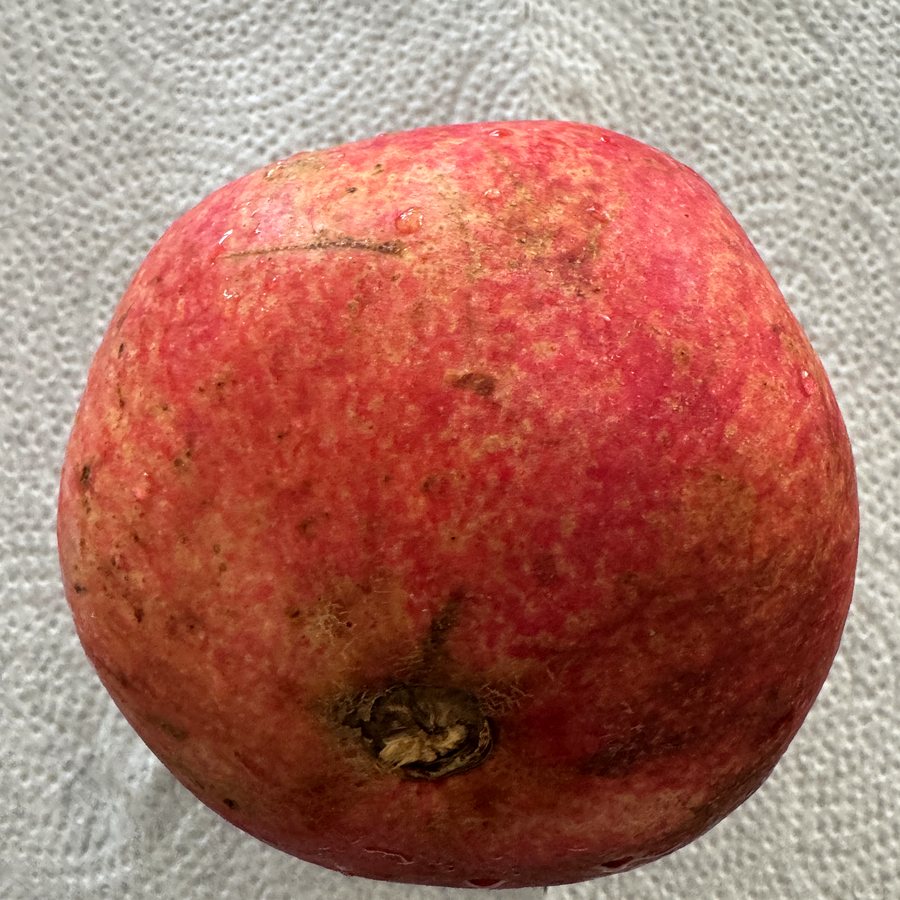
2. Fleshy or dry?
The first big distinction to observe.
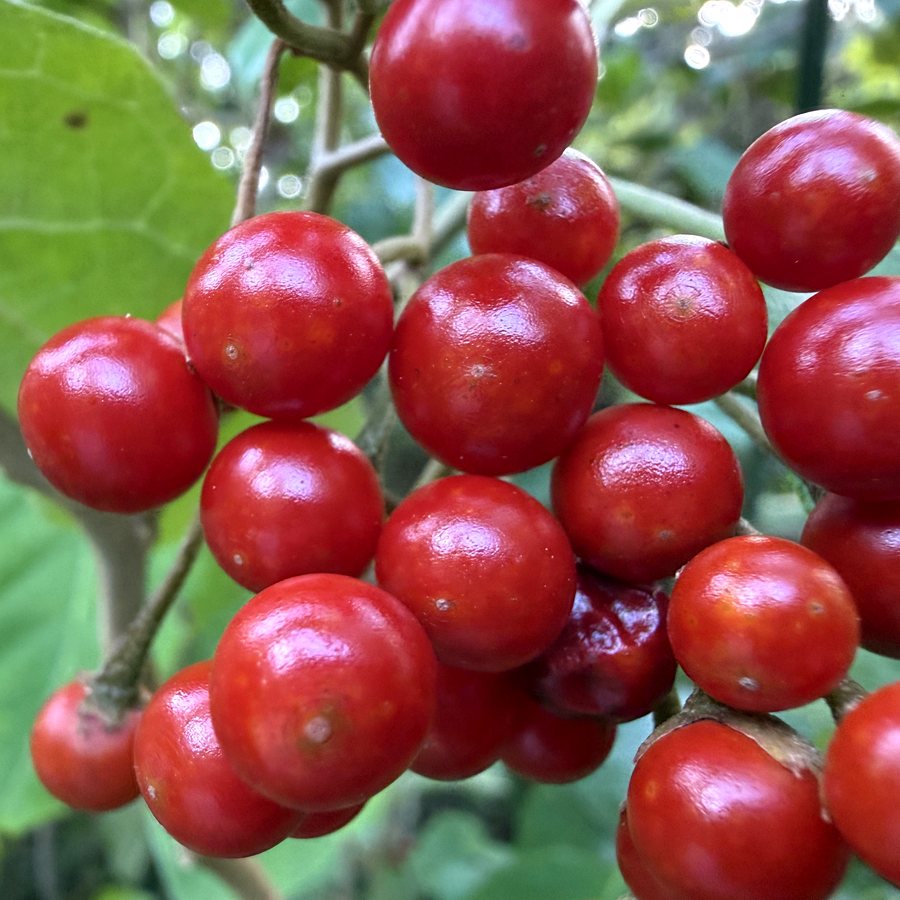
3. Fleshy fruits
Soft, juicy, attractive to animals.
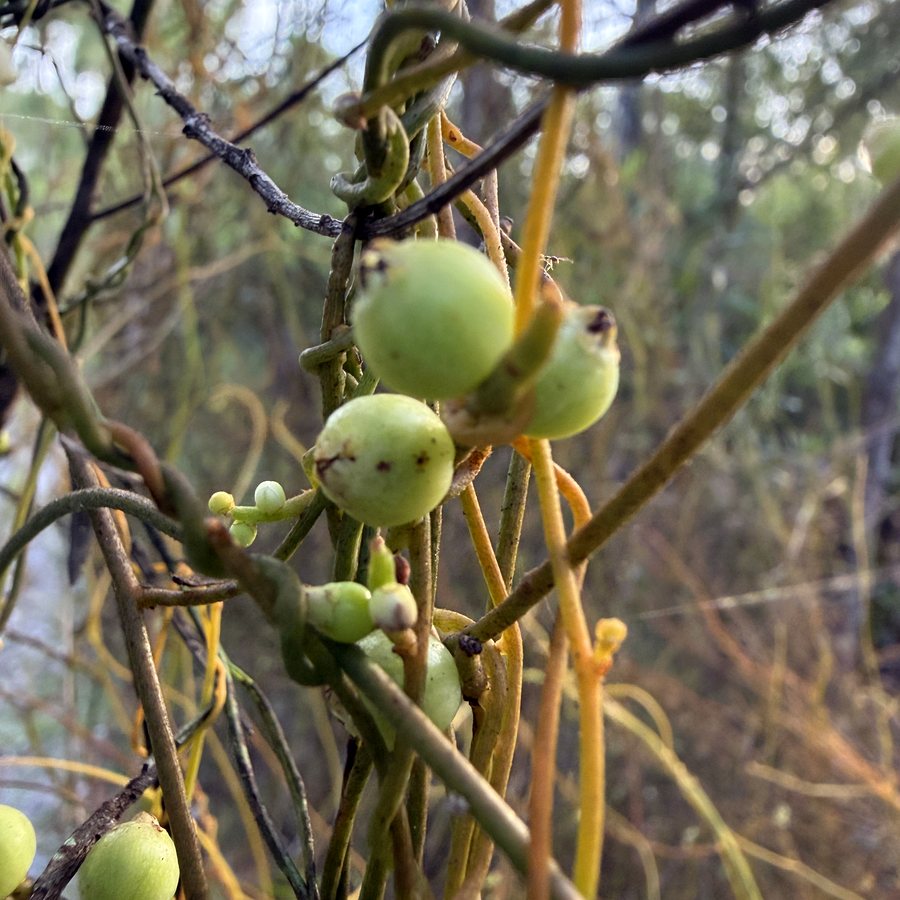
4. Dry fruits
Dehiscent (they open) or indehiscent.
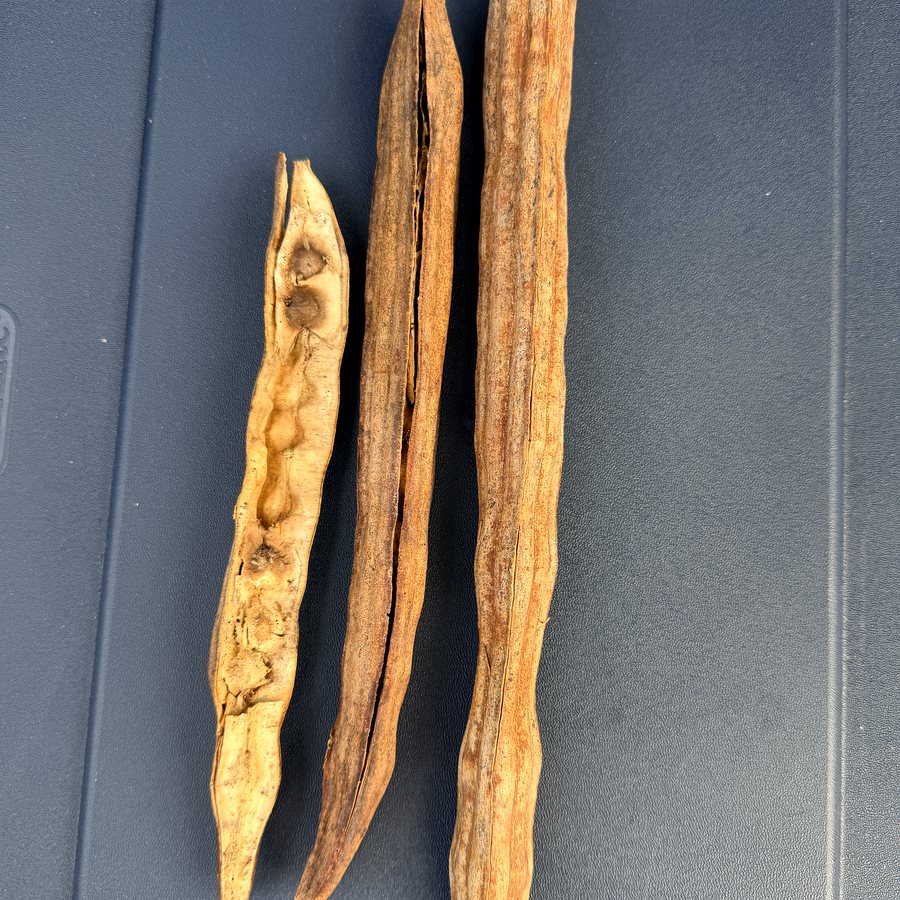
5. Simple, aggregate or multiple?
The floral origin of the fruit.
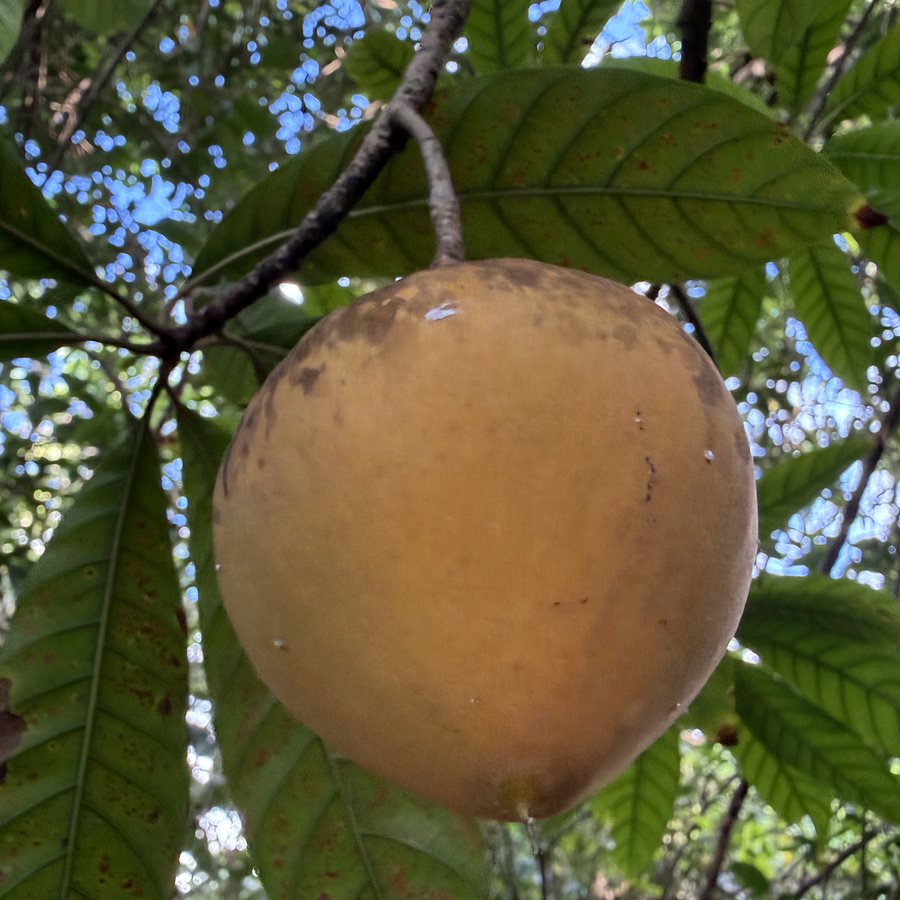
6. Dispersal
How the seed travels away from the plant.
Field tip: note the plant, place and date; observe whether the fruit is fleshy or dry, simple or compound; describe its parts (skin, flesh, seed, stone, wings, hooks); see if it opens at maturity; then guess its dispersal strategy (wind, water, animals).
Priority vocabulary
The most useful words to describe a fruit in the field, in three languages.
The complete fruit vocabulary
8 sections · definitions in French, English and Spanish.
Enter your email to receive the document.