Plant Mastery · Plant Patterns
Learning to read a seed
The essential vocabulary to observe, name and understand seeds — with real photos, in French, English and Spanish.
To become a Plant Master or Botanist-Entrepreneur, you must learn the language of seeds. The seed is the starting point of life for many plants: it carries an embryo, reserves and a protective coat, and organizes germination, dispersal and conservation. Recognizing its parts and strategies is an essential Plant Pattern.
A 3-level path
1 · Plant enthusiasts
Recognize the parts of a seed: seed coat, embryo, cotyledons, reserves.
2 · Plant Masters
Understand seed types, dormancy and germination.
3 · Botanists-Entrepreneurs
Collect, conserve and add value to seeds — for agriculture, restoration and food sovereignty.
6 easy features to start with
Pick a seed and observe these points. You'll already be able to describe it correctly.
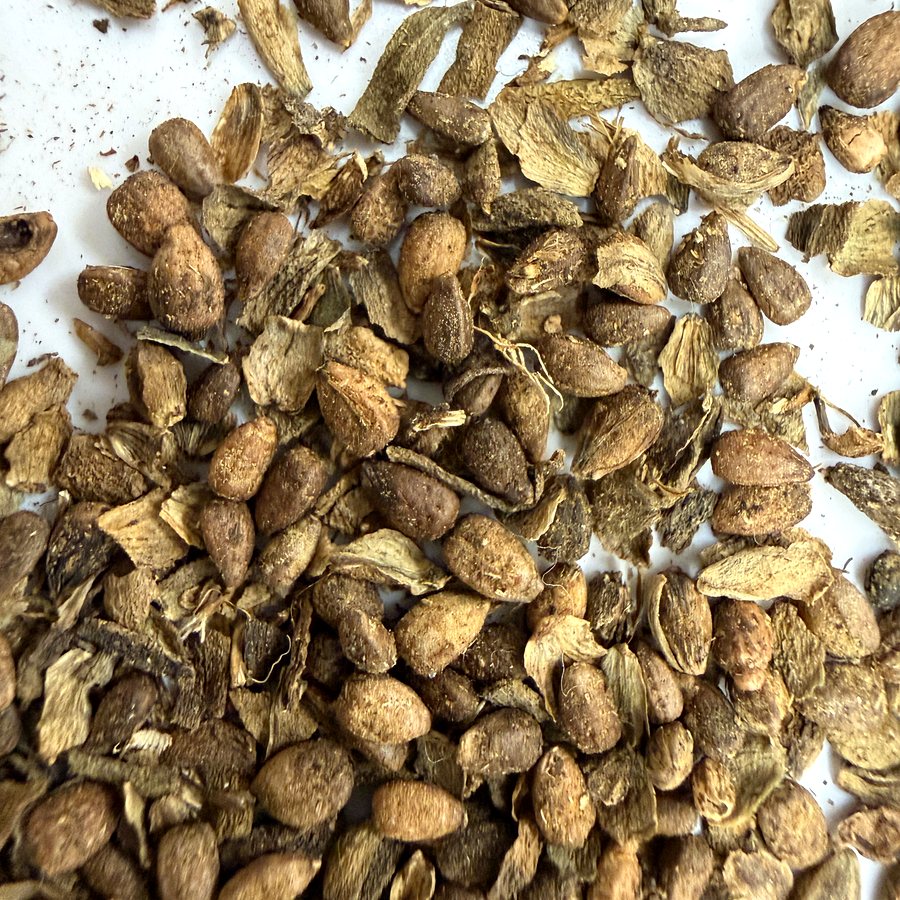
1. The seed parts
The coat, the embryo and the reserves.
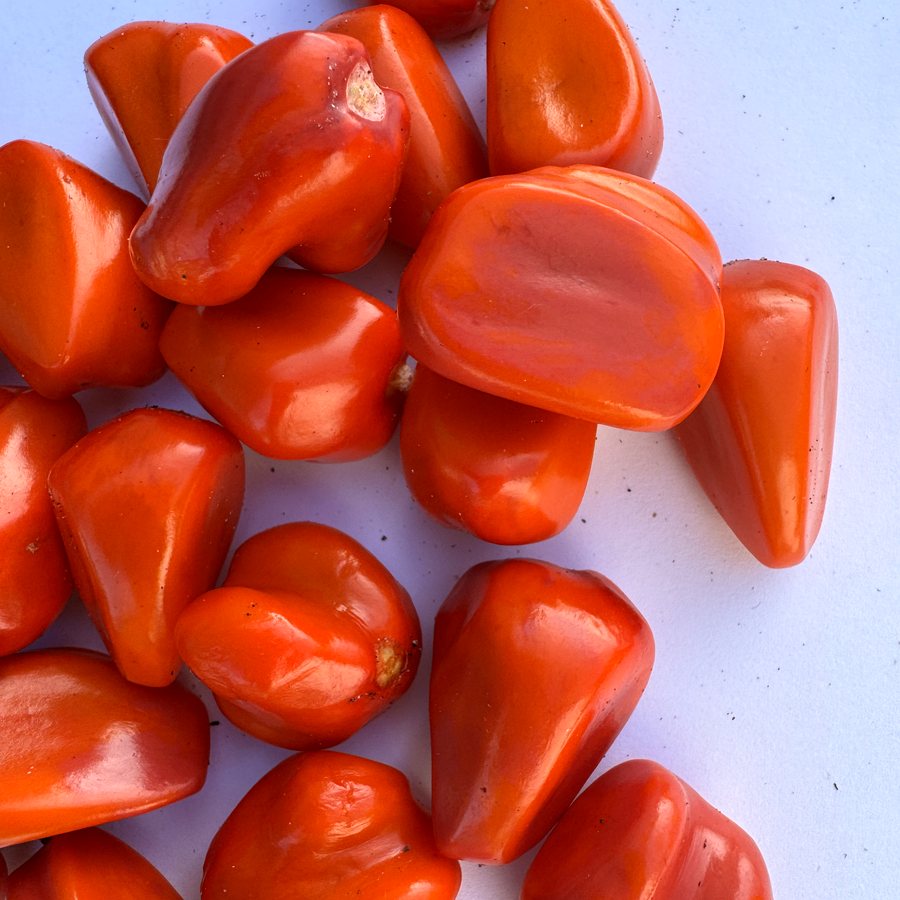
2. Seed types
By cotyledons and reserves.
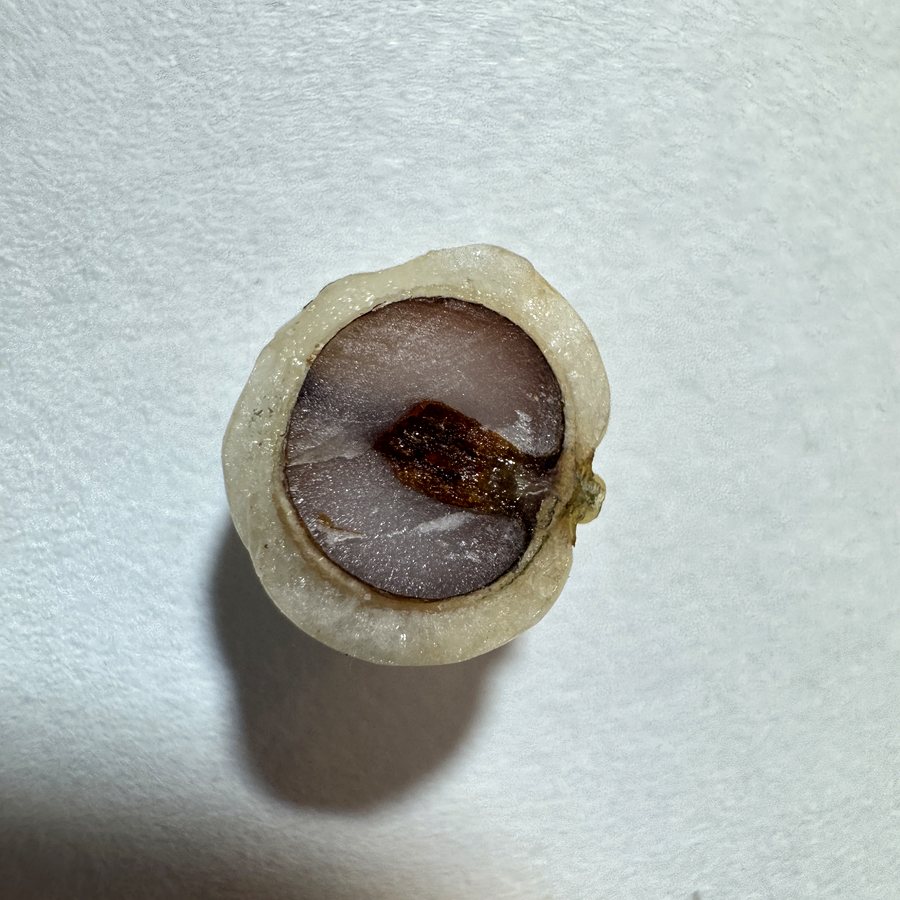
3. Germination
From dormant seed to seedling.
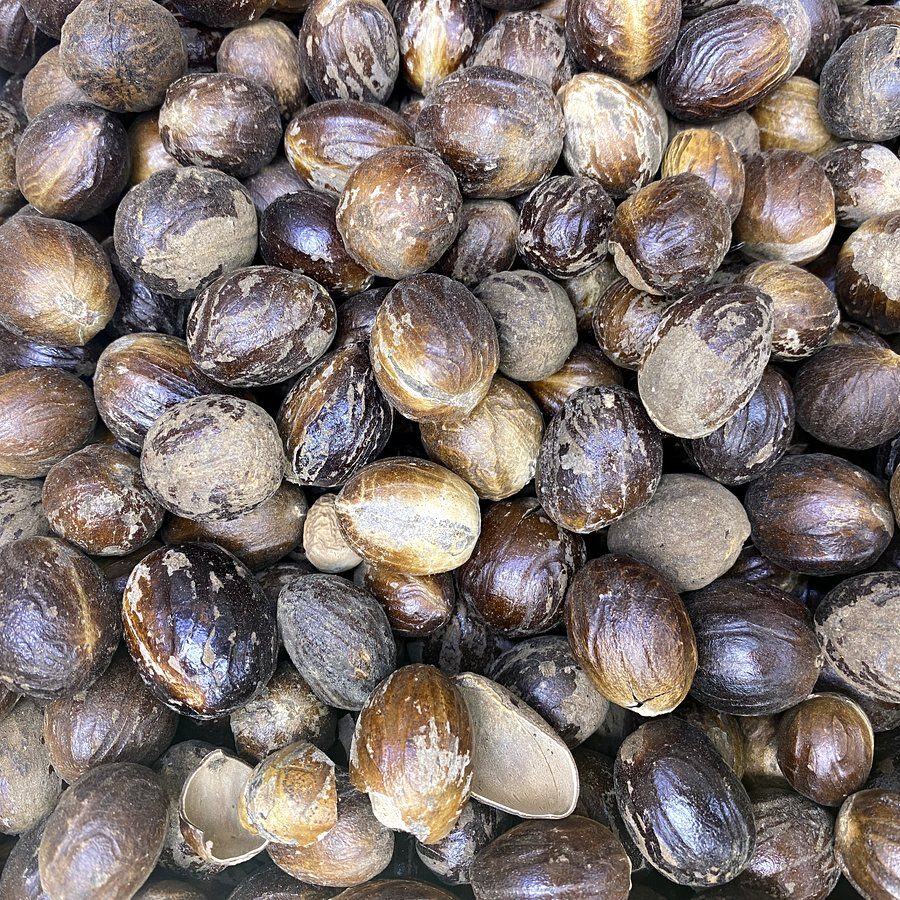
4. Dispersal
How the seed travels away from the plant.
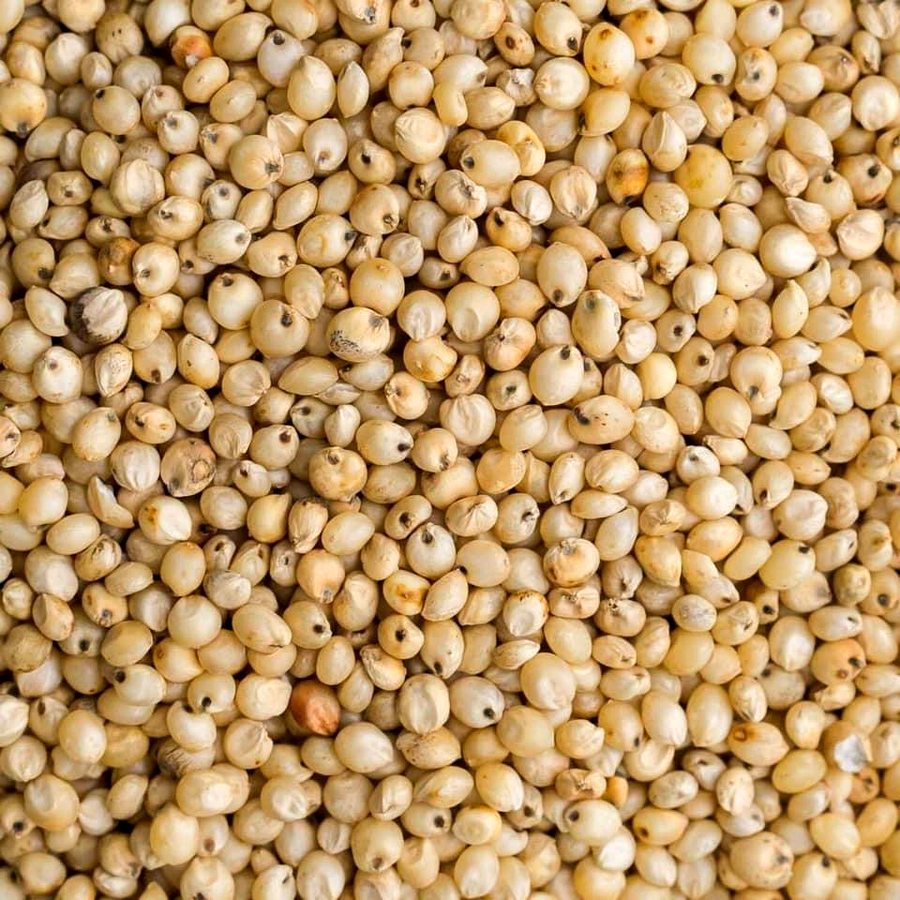
5. Collection and conservation
Seed bank and sovereignty.
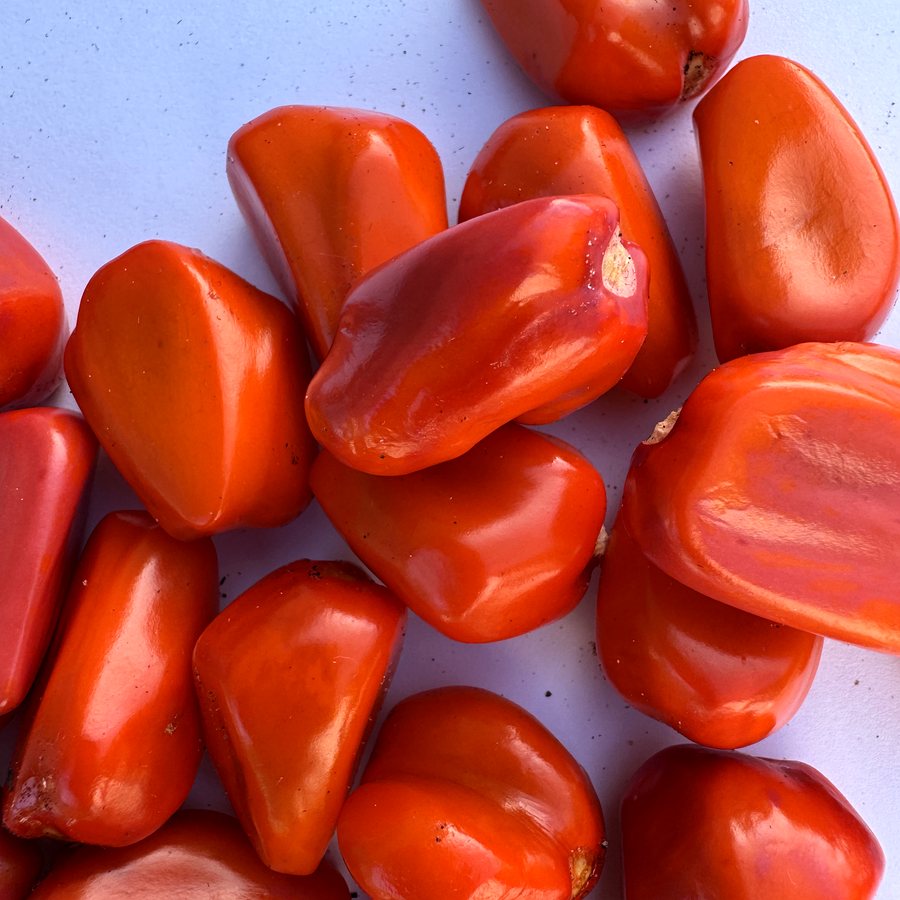
6. Sowing and agriculture
From seed to cultivated seedling.
Field tip: pick a plant in fruit or bearing seeds; carefully open a seed if possible; identify the seed coat, hilum, reserves, embryo and cotyledons; note the provenance, mother plant, dispersal type and storage conditions.
Priority vocabulary
The most useful words to describe a seed in the field, in three languages.
The complete seed vocabulary
6 sections · definitions in French, English and Spanish.
Enter your email to receive the document.