Plant Mastery · Plant Patterns
Learning to read a root
The essential vocabulary to observe, name and understand roots — with real photos, in French, English and Spanish.
To become a Plant Master or Botanist-Entrepreneur, you must learn to read the root. Often invisible, it is at the heart of the plant's life: it anchors, absorbs water and nutrients, stores reserves and communicates with the soil, fungi and bacteria. A taproot, root nodules or pneumatophores tell a strategy — Plant Patterns that help identify plants and understand their habitat.
A 3-level path
1 · Plant enthusiasts
Recognize the parts of a root and the main types: taproot, fibrous, adventitious.
2 · Plant Masters
Understand specialized roots, growth and the rhizosphere.
3 · Botanists-Entrepreneurs
Link roots to soil, restoration, nutrition (cassava, carrot…) and economic value.
6 easy features to start with
Pick a root and observe these points. You'll already be able to describe it correctly.

1. The root parts
Cap, root hairs, cortex, stele.

2. Systems and types
The shape of the root system.
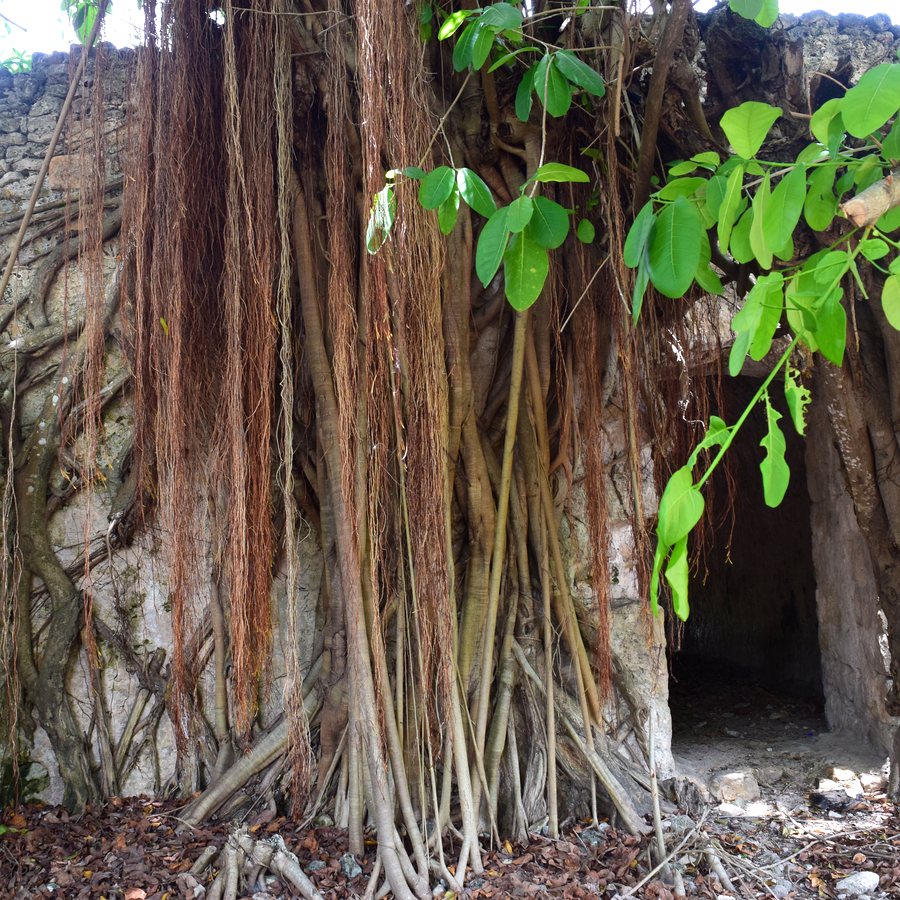
3. Specialized roots
Adaptations for water, support and storage.
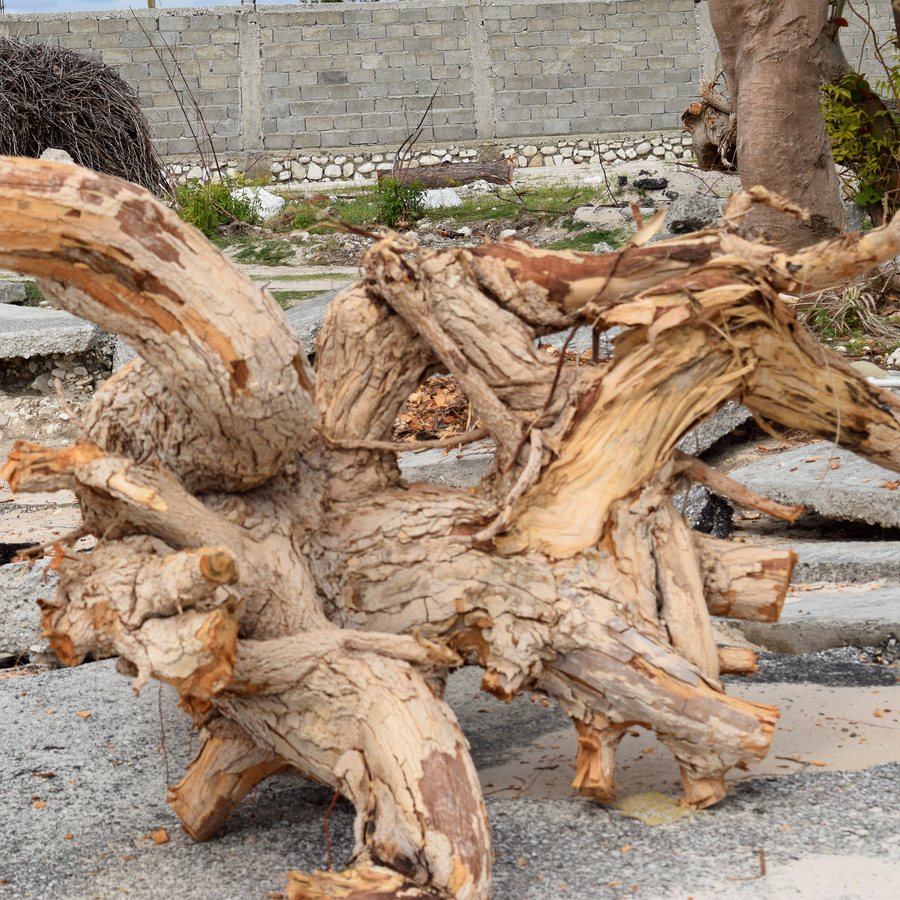
4. Descriptive shapes
How a root looks in the field.

5. Growth and germination
From radicle to mature root.

6. Rhizosphere and symbioses
The root talks with soil and microbes.
Field tip: observe the root system when possible; note the root type (taproot, fibrous, adventitious…), depth, texture, color, nodules, adaptations and link to the soil; then note the words in English, French and Spanish.
Priority vocabulary
The most useful words to describe a root in the field, in three languages.
The complete root vocabulary
7 sections · definitions in French, English and Spanish.
Enter your email to receive the document.