Plant Mastery · Plant Patterns
Learning to read a stem
The essential vocabulary to observe, name and understand stems — with real photos, in French, English and Spanish.
To become a Plant Master or Botanist-Entrepreneur, you must learn to read the stem. The stem is a central organ: it bears leaves, buds, flowers and fruits; it supports the plant and transports water, minerals and sugars; it can store reserves, climb, defend, regenerate and produce new plants. Its growth habit, nodes and modifications are Plant Patterns that help identify plants.
A 3-level path
1 · Plant enthusiasts
Recognize nodes, internodes, buds and the stem's growth habit.
2 · Plant Masters
Understand modified stems (rhizome, tuber, bulb), surface and branching.
3 · Botanists-Entrepreneurs
Link the stem to wood, horticulture, propagation and economic value.
6 easy features to start with
Pick a stem and observe these points. You'll already be able to describe it correctly.
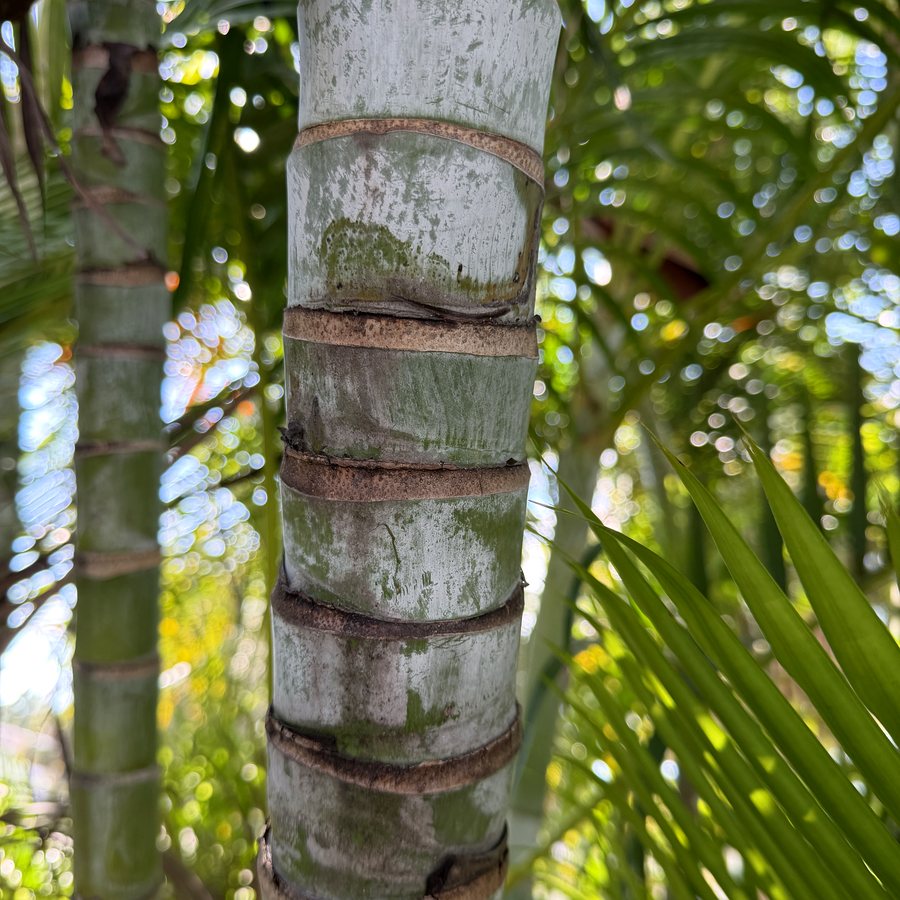
1. The stem parts
Nodes, internodes and buds.
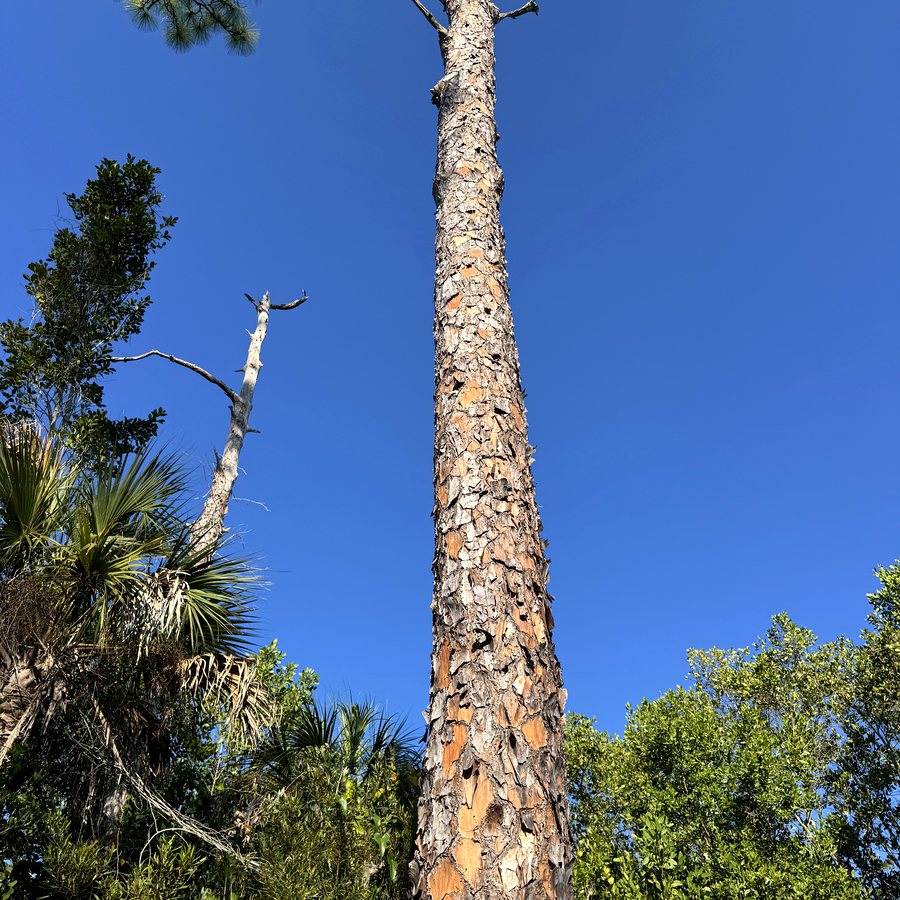
2. The growth habit
How the plant occupies space.
3. Modified stems
Storage and vegetative propagation.
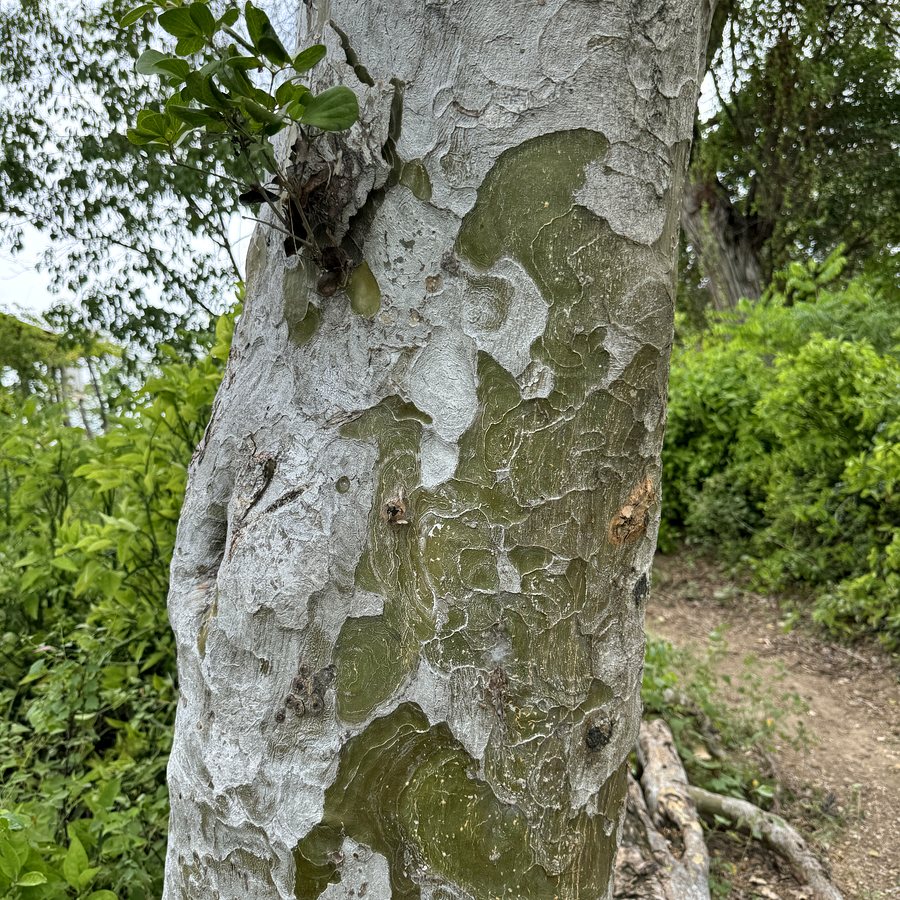
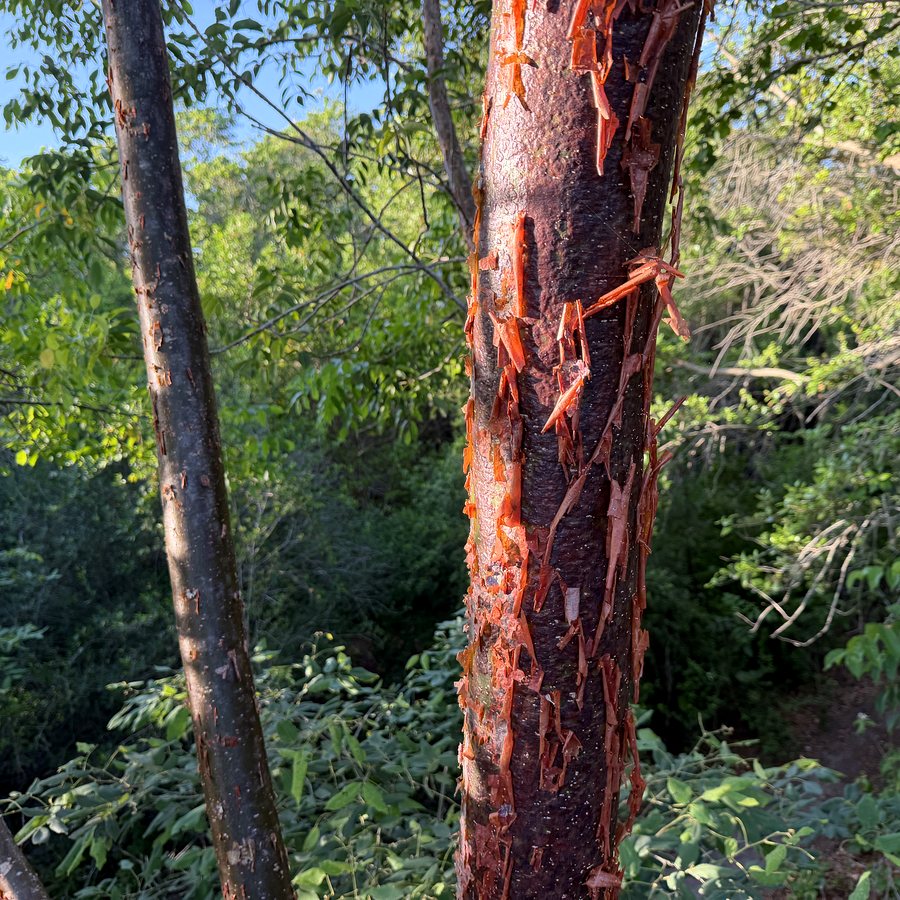
4. The surface
Smooth, hairy, waxy, spiny, striate.
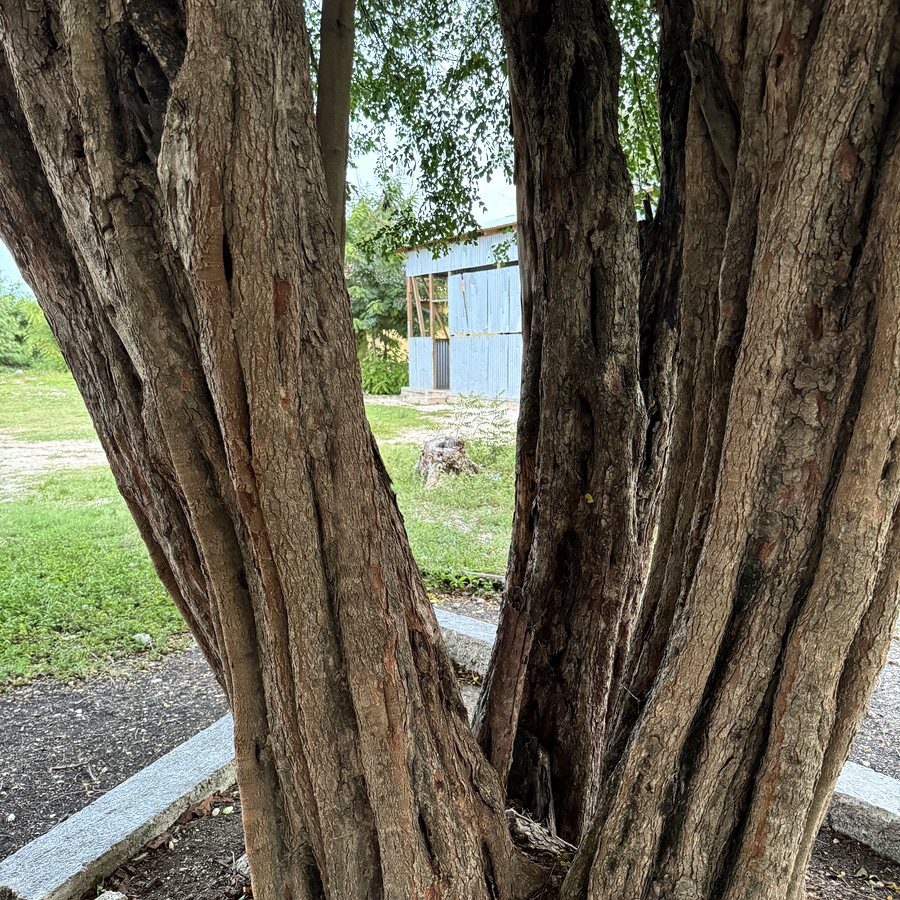
5. Branching
How the plant builds its architecture.
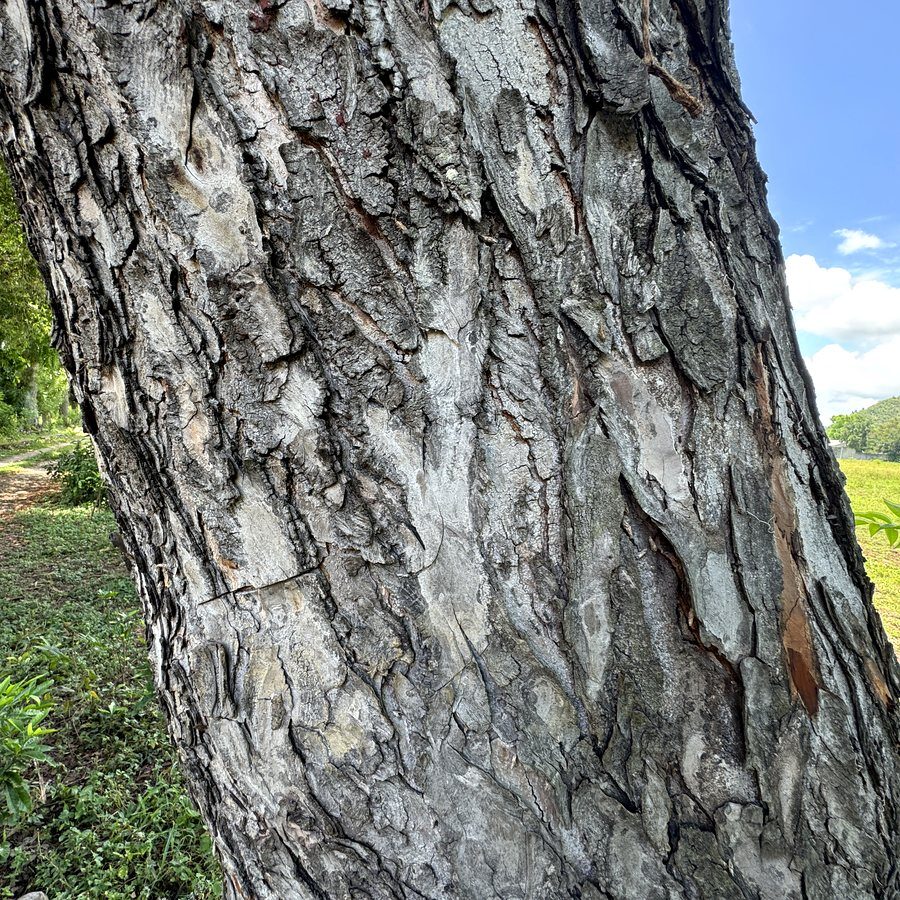
6. Tissues and functions
Transport, support and photosynthesis.
Field tip: pick a plant and observe its stem — growth habit, nodes, internodes, buds, bark, texture, branching, modified stems, presence of latex, thorns, lenticels or adventitious roots; then note the words in English, French and Spanish.
Priority vocabulary
The most useful words to describe a stem in the field, in three languages.
The complete stem vocabulary
6 sections · definitions in French, English and Spanish.
Enter your email to receive the document.