Today, data has become a new form of currency. It makes it possible to understand, to decide, to protect, to create value and to shape the future. In the world of plants, this reality is even more important, because plants touch almost every sector of human life: health, food, agriculture, the environment, conservation, education, innovation, industry, the local economy and culture.
But to use plants intelligently, it is not enough to know their name. You must understand what they do, what they contain, where they grow, how they interact with humans, animals, soils, insects, microbes and ecosystems. A plant is not merely a species in a list. It is a living system, a source of information, a source of molecules, a source of uses, a source of risks and a source of opportunities.
For a long time, botanical databases mainly served to organize taxonomic information: the scientific name, the family, the collector, the collection site, the herbarium specimen, the date and sometimes the distribution. This information remains fundamental. Without correct taxonomy, there is no good database. But today, that is no longer enough. Countries, institutions, companies, universities, NGOs, municipalities and botanic gardens need more complete databases, capable of connecting plants to their uses, their molecules, their risks, their ecological value and their economic potential.
It is this approach that Botapreneurs calls a multidimensional botanical database.
A multidimensional botanical database does not only answer the question: “What is the name of this plant?” It also answers other questions: What is this plant used for? Is it medicinal? Is it toxic? Is it edible? Is it aromatic? Is it a honey plant? Is it useful for agriculture? Is it native, endemic, exotic or invasive? Does it contain interesting molecules? Does it present a risk to human or animal health? Can it support ecological restoration? Can it create opportunities for a community or a business?
This approach completely changes the way we see plants. It turns the plant into living data. It turns data into knowledge. It turns knowledge into decision. And it turns decision into action.
Health: data as a tool of caution
In the field of health, for example, botanical databases are essential. Many plants are traditionally used as medicinal plants, but not all are well documented. Some may have potential therapeutic effects. Others may present risks of toxicity. Some plants can interact with medicines, cause side effects or be dangerous if they are misidentified, poorly prepared or misused. A database linked to health must therefore document the reported uses, the parts used, the modes of preparation, the risks, the precautions, the possible effects, the limits of knowledge and the available references.
In this context, data becomes a tool of caution. It does not only serve to promote a plant. It also serves to avoid errors, confusions, exaggerations and dangerous uses. A country that documents its medicinal plants can better protect its population, better regulate practices, better direct research and better value its plant resources with responsibility.
Food: valuing local diversity
In the field of food, databases are just as important. Every country has known food plants, but also underused plants. Some species are widely promoted by the market, advertising or commercial habits, while other local species, nutritious and useful, remain invisible. The problem is that, without a database, a few species can dominate food and agriculture simply because they have more marketing, more funding or more commercial presence.
A food database makes it possible to document the fruits, the leaves, the seeds, the roots, the tubers, the edible wild plants, the local varieties and the traditional food resources. It makes it possible to ask important questions: Which plants fed communities before? Which species can strengthen food security? Which plants are suited to periods of drought? Which local plants are rich in nutrients? Which species are neglected even though they could support nutrition and resilience?
This information is strategic, because food security must not depend only on a few dominant crops. It must also rely on local plant diversity. A food database therefore helps a country to better know its own resources, to reduce external dependence and to give value back to forgotten plants.
Agriculture: a planning tool
In the field of agriculture, botanical databases can help to better understand cultivated plants, related wild plants, fodder plants, agroforestry plants, honey plants, plants useful for soils, indicator plants and plants that can support the resilience of agricultural systems. Agriculture is not only about the main crops. It also concerns hedges, trees, weeds, cover plants, nitrogen-fixing plants, plants that attract pollinators and species that protect the soil against erosion.
An agricultural database can help to choose the right species for agroforestry, soil restoration, beekeeping, family gardens, local food systems and sustainable production. It can also help to avoid the introduction of species that become invasive or that harm ecosystems. In this sense, botanical data becomes a tool of agricultural planning.
Conservation: protecting what could disappear
In the field of conservation, every country must know which plants deserve to be protected. Some species are endemic, that is to say they exist naturally only in a region or a country. Others are rare, threatened, overexploited or tied to very fragile habitats. Without data, these plants can disappear in silence. They can be cut, replaced, forgotten or destroyed before their value is even recognized.
A conservation database makes it possible to identify native, endemic, threatened, rare, heritage or priority species. It makes it possible to know where they are found, in which habitats they live, what risks they face and what actions can be taken to protect them. It can serve ministries, NGOs, municipalities, botanic gardens, universities and ecological restoration programs.
Databases are also indispensable for managing invasive plants. An invasive plant can spread quickly, replace local species, modify habitats, reduce biodiversity, affect agriculture and complicate restoration projects. Many territories sometimes plant exotic species without measuring their long-term impacts. A database on invasive species makes it possible to identify the plants at risk, to track their spread, to understand their impacts and to propose management strategies.
This information is essential, because a bad decision can be costly. Planting a wrong species today can create an ecological problem for several decades. A database therefore makes it possible to avoid errors, to better restore ecosystems and to protect local species.
Molecules: behind every leaf, a chemistry
Another fundamental dimension concerns the molecules of plants. Plants produce primary molecules that allow them to live, to grow, to produce energy and to form their tissues. They also produce secondary molecules, or specialized metabolites, that help them to defend themselves, to attract pollinators, to repel herbivores, to communicate or to adapt to their environment. These molecules can include alkaloids, terpenes, flavonoids, tannins, essential oils, resins, gums, mucilages and many other compounds.
A single plant can contain hundreds of molecules. Behind a leaf, a flower, a bark or a root, there can therefore be a large amount of chemical information. This data is of interest to medicine, nutrition, cosmetics, perfumery, agriculture, plant protection, industry and scientific research. A phytochemical database can help to document the families of compounds, the known molecules, the potential properties, the precautions and the available scientific references.
But you must be cautious. An interesting molecule does not automatically mean that a plant can be used without risk. That is why a multidimensional database must connect chemical data to toxicity data, to uses, to the parts used, to the reported doses, to the limits of research and to precautions. Knowledge must serve to decide better, not to exaggerate promises.
Why every sector needs data
This multidimensional vision is important because the majority of sectors that work with plants need data. The health sector needs data to understand effects, risks and uses. The food sector needs data to identify nutritious resources and underused plants. The agricultural sector needs data to choose suitable species, improve soils, support pollinators and strengthen resilience. The conservation sector needs data to protect threatened species. Botanic gardens need data to manage collections. Companies need data to better know the plants used in their products. Governments need data to guide public policies.
Without databases, decisions are often made with impressions, habits or incomplete information. With databases, decisions become more solid, more transparent and more useful. We can better choose what to protect, what to value, what to avoid, what to study, what to restore and what to pass on.
Taxonomy remains the basis of everything
Taxonomy nevertheless remains the basis of everything. Before speaking of use, molecule, toxicity, conservation or economy, you must know which plant you are talking about. A local name can designate several species. Two different plants can look alike. The same plant can have several scientific synonyms. An old name can be used in a book, while another name is accepted today. If the identification is wrong, all the other data becomes fragile.
That is why a serious botanical database must begin with taxonomic verification. You must verify the accepted scientific name, the family, the synonyms, the author of the name, the distribution and the reference specimens. Then, you can connect this plant to the other dimensions: uses, molecules, toxicity, food, conservation, agriculture, ecology and economy.
For Botapreneurs, this method is at the heart of the training of Botanist-Entrepreneurs. A Botapreneur must not only love plants. They must learn to read them. They must know how to collect an observation, verify a name, compare sources, identify uses, analyze risks, understand molecules, connect plants to economic sectors and turn data into decisions.
A multidimensional botanical database can therefore become a national, municipal, institutional or entrepreneurial tool. A country can create a database of medicinal plants, a database of food plants, a database of agricultural plants, a database of endemic species, a database of threatened species, a database of invasive plants, a database of honey plants, a database of aromatic plants, a database of industrial plants or a database of plants useful for ecological restoration. These databases can be separate or connected within a single system.
The goal is not to produce a complicated database to impress people. The goal is to create a tool that helps to act. A good database must be able to help a minister to decide, a mayor to plan, a botanic garden to conserve, an NGO to restore, a university to train, a company to innovate, a beekeeper to choose a site, a farmer to diversify their production and a community to better know its resources.
The knowledge of plants must not remain locked in books, herbaria or laboratories. It must become accessible, organized and useful. It must help territories to reclaim their plant heritage. It must make it possible to value local plants, protect important species, avoid risks, encourage innovation and support sustainable development.
In this perspective, the large international databases are precious resources. They do not replace local or national databases, but they help to verify, compare and enrich the information. Here are some important platforms that Botapreneurs, researchers, students, institutions and organizations can use.
Useful resources for verifying and documenting plants
GBIF — Global Biodiversity Information Facility
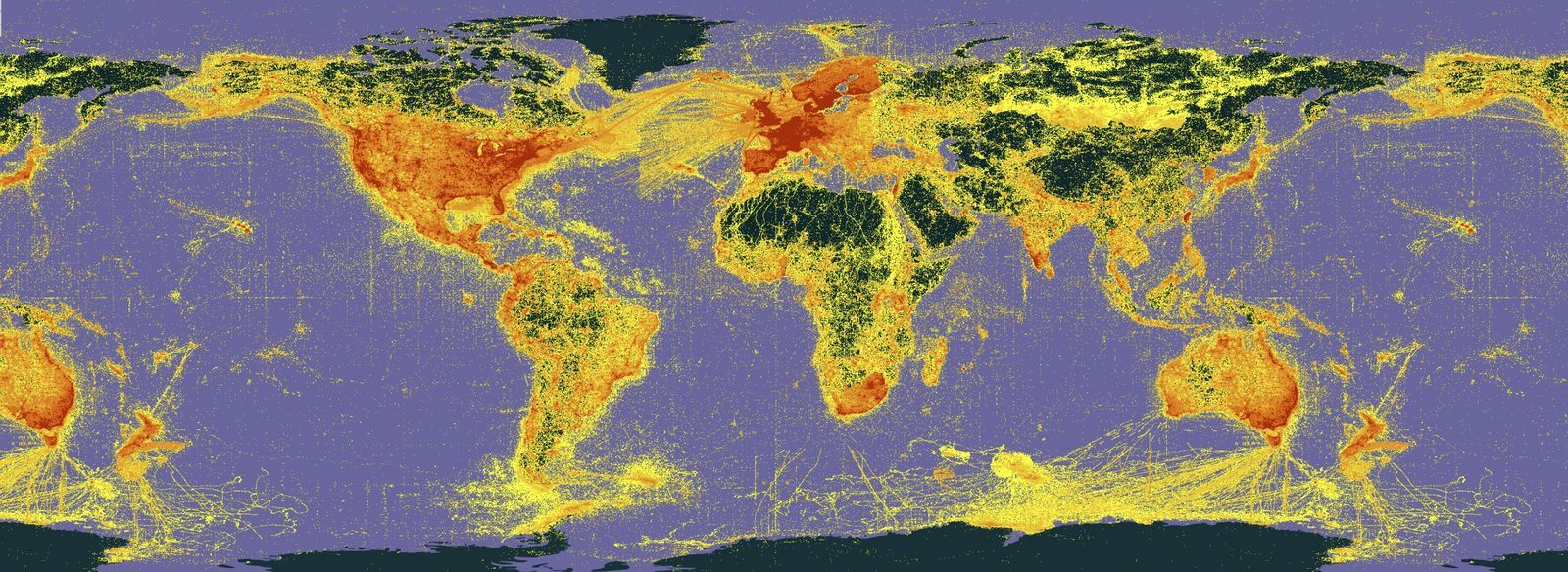
GBIF is an international infrastructure that gives access to open data on biodiversity. It makes it possible to search where a species has been observed or collected, with data coming from herbaria, museums, scientific institutions and observation platforms. For Botapreneurs, GBIF is very useful for understanding the distribution of a plant, seeing the available occurrences and verifying the geographic data linked to a species.
Plants of the World Online (POWO) — Royal Botanic Gardens, Kew
Plants of the World Online, often called POWO, is a resource of Kew that makes it possible to search the scientific names of plants, the families, the synonyms, the distribution, the descriptions, the images and sometimes the uses. For Botapreneurs, POWO is one of the first platforms to consult to verify the accepted scientific name of a plant.
World Flora Online (WFO)
World Flora Online is an online world flora that gathers plant names, taxonomic statuses, descriptions, references, distributions and other associated information. It can serve to compare the information found in POWO or in other sources. For Botapreneurs, WFO is useful when you want to strengthen the taxonomic verification and avoid depending on a single database.
BGCI PlantSearch — Botanic Gardens Conservation International
BGCI PlantSearch is a global database linked to the living collections of botanic gardens. It makes it possible to know which plants are conserved in living collections, seed banks, tissues or other resources. For Botapreneurs, this database is important for understanding the role of botanic gardens in plant conservation and for identifying the institutions that conserve certain species.
New York Botanical Garden — C. V. Starr Virtual Herbarium
The C. V. Starr Virtual Herbarium of the New York Botanical Garden gives access to millions of digitized herbarium specimens. A herbarium specimen is a scientific proof: it shows that a plant was collected at a place, on a date, by a person or a team. For Botapreneurs, this resource is very useful for comparing specimens, verifying the history of a plant and studying tropical, Caribbean and American plants.
→ sweetgum.nybg.org/science/vh
University of Florida Herbarium (FLAS)
The University of Florida Herbarium, known by the acronym FLAS, is an important resource for Florida, the Caribbean, Haiti, tropical plants and historical collections. It contains specimens of vascular plants, bryophytes, lichens, fungi, wood and other resources. For Botapreneurs, this database is strategic because it connects Florida, the Caribbean and the tropical territories.
→ www.floridamuseum.ufl.edu/herbarium
iNaturalist
iNaturalist is a platform of citizen observations where users can photograph plants, animals, fungi or other living organisms, share their observations and receive identification suggestions from the community. For Botapreneurs, iNaturalist is a practical tool for training, field trips, community inventories and the education of young people.
How to use these resources together
To verify a plant, you should not use a single platform. A good method consists of starting with field observation, with photos of the whole plant, the leaves, the flowers, the fruits and the habitat. Then, iNaturalist can help to obtain a first hypothesis. After that, POWO and World Flora Online make it possible to verify the accepted scientific name and the synonyms. GBIF makes it possible to look at the distribution and the occurrences. The digital herbaria of the New York Botanical Garden and of the University of Florida make it possible to compare specimens. BGCI PlantSearch makes it possible to see whether the species is present in living collections of botanic gardens.
This method shows that the multidimensional database does not begin only with a piece of software. It begins with a way of thinking. You must connect the observations, the names, the uses, the molecules, the risks, the territories, the collections, the sectors and the decisions.
For Botapreneurs, this is the future: to train people able to turn plants into data, data into knowledge, and knowledge into useful decisions for health, food, agriculture, conservation, innovation and sustainable development.