
Media
Articles
In-depth analyses, guides and reflections on plants, botany, conservation and botanical entrepreneurship.
All articles
Botanical data · Jun 29, 2026
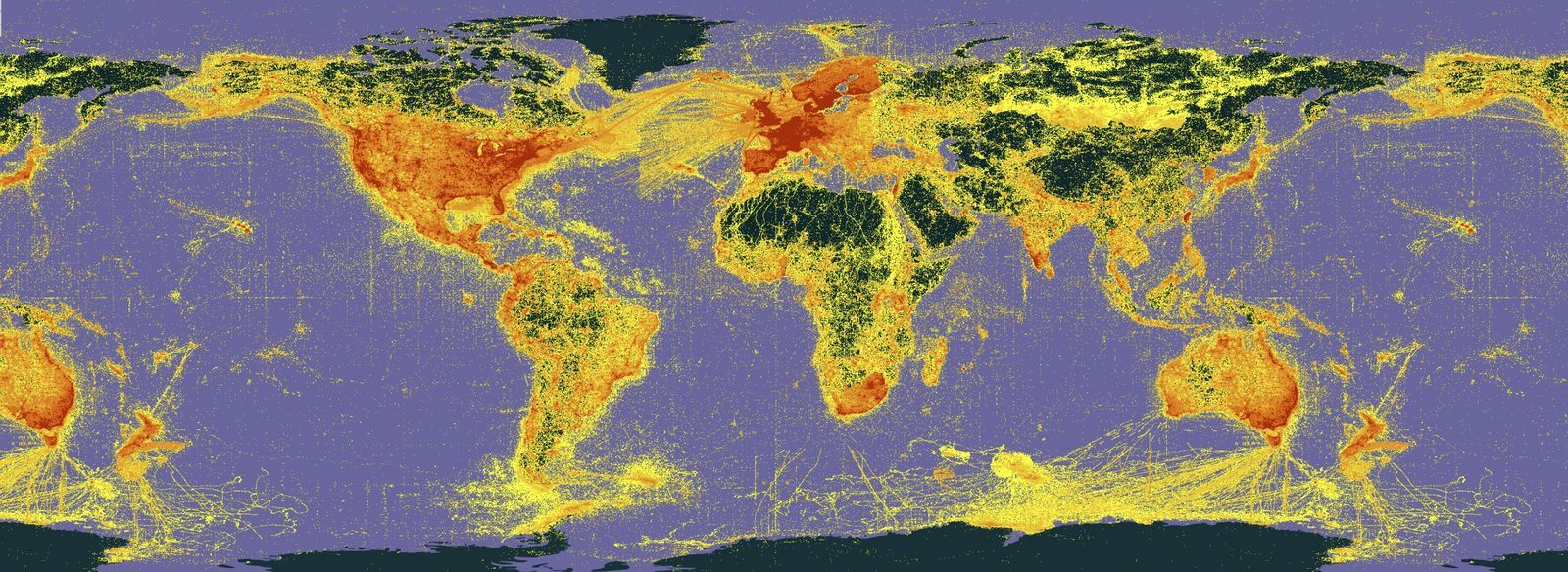
Why every country needs multidimensional botanical databases
A plant is not just a name in a list: it is a living system, a source of molecules, uses, risks and opportunities. Here is why every country needs botanical databases that connect plants to health, food, agriculture, conservation and the economy.
By William Cinéa
Garden & well-being · Oct 17, 2026
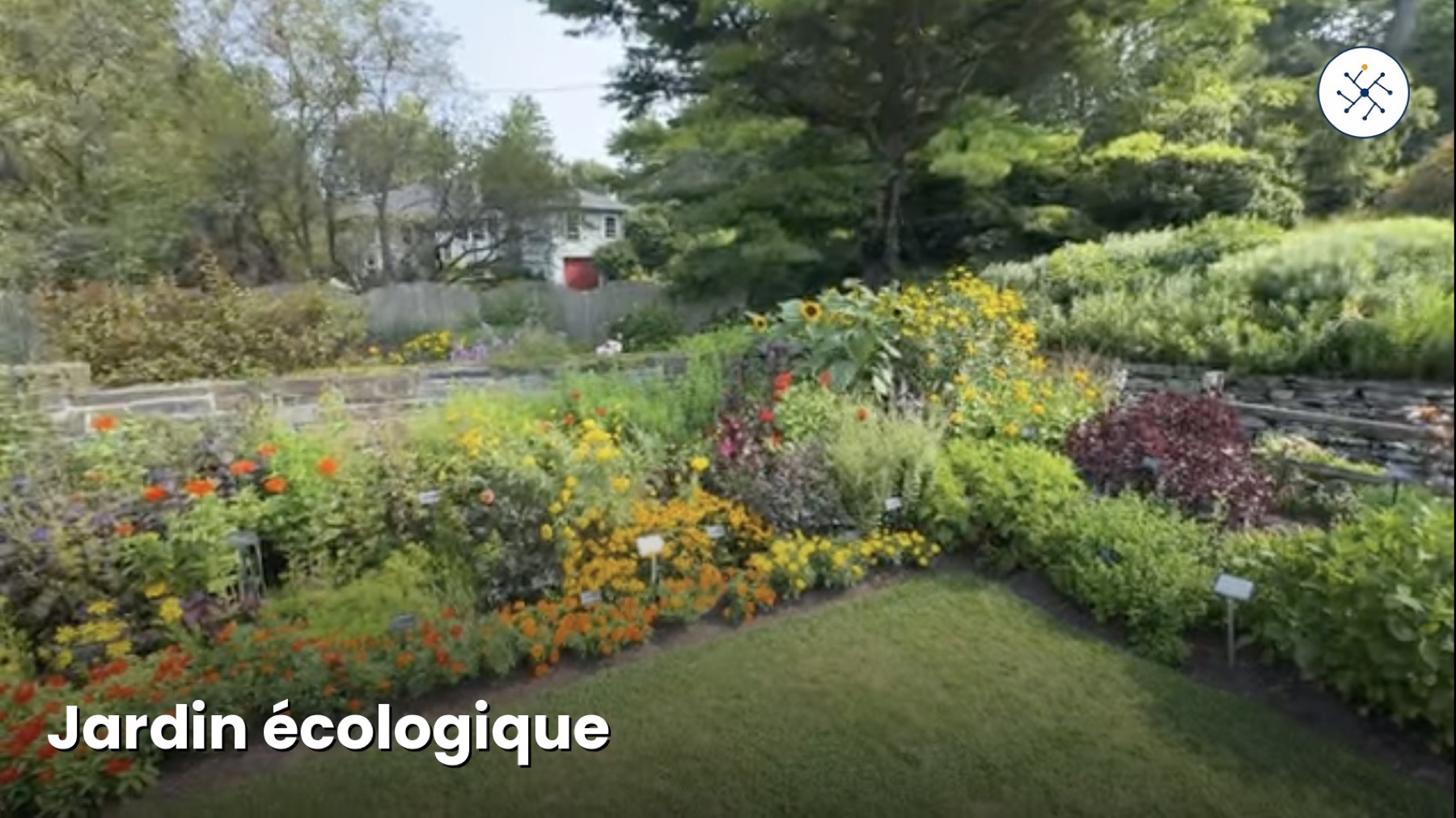
Every garden starts with a 'why': find yours
Technical advice: Garden, Plants & Ecosystem Restoration — The Saturday rendezvous. After 20 years of creating, visiting and studying gardens around the world, here are 7 'whys' that explain the choice of your plants.
By William Cinéa
Botanists who inspire us · Oct 16, 2026
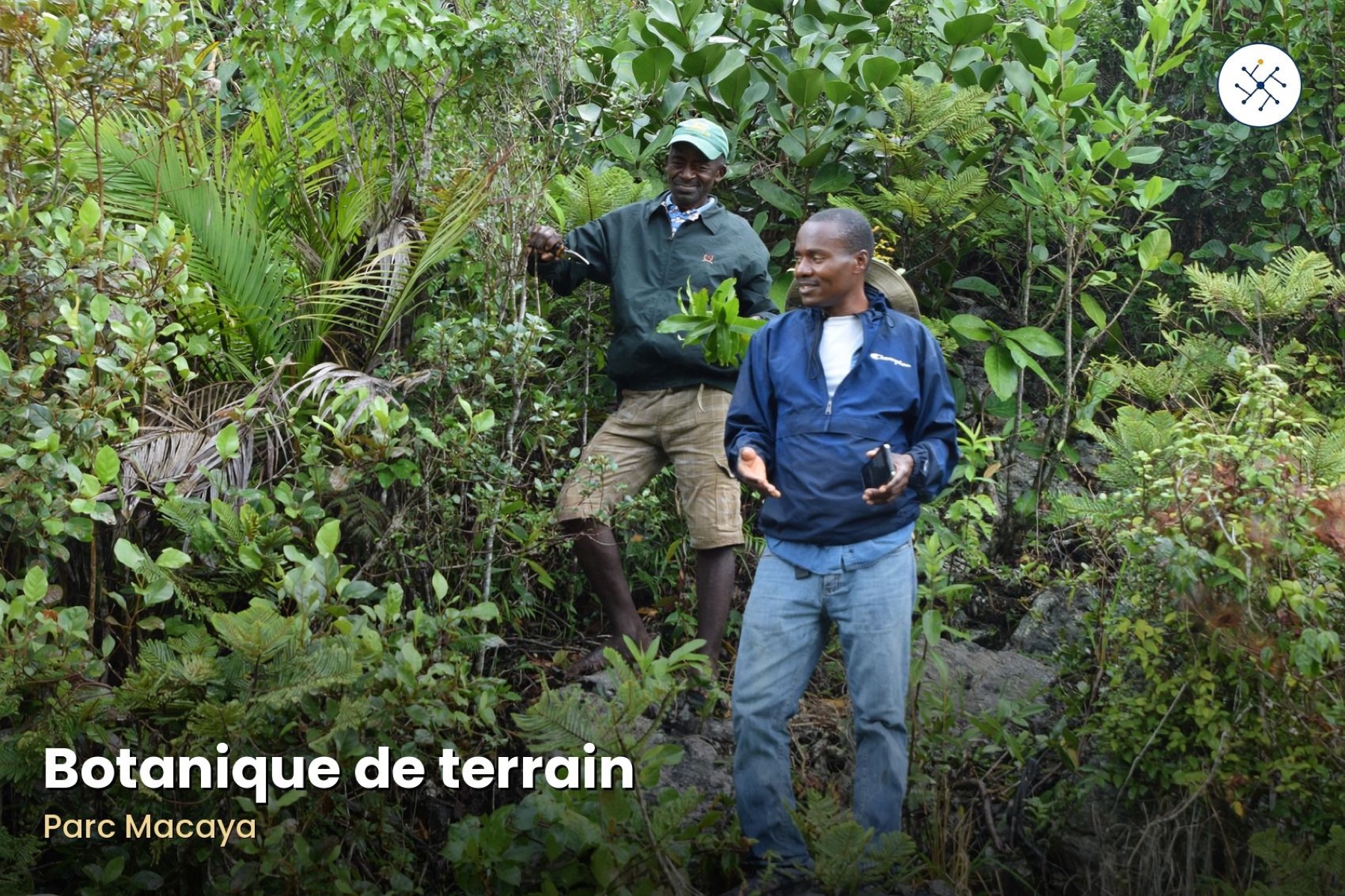
Pierre Honet: the master of field plants
In the Macaya massif, Pierre Honet knows every plant the way we recognize familiar faces. Portrait of a master of field plants — and a plea for an alliance between academic botany and local knowledge.
By William Cinéa
Ethnobotany · Oct 15, 2026
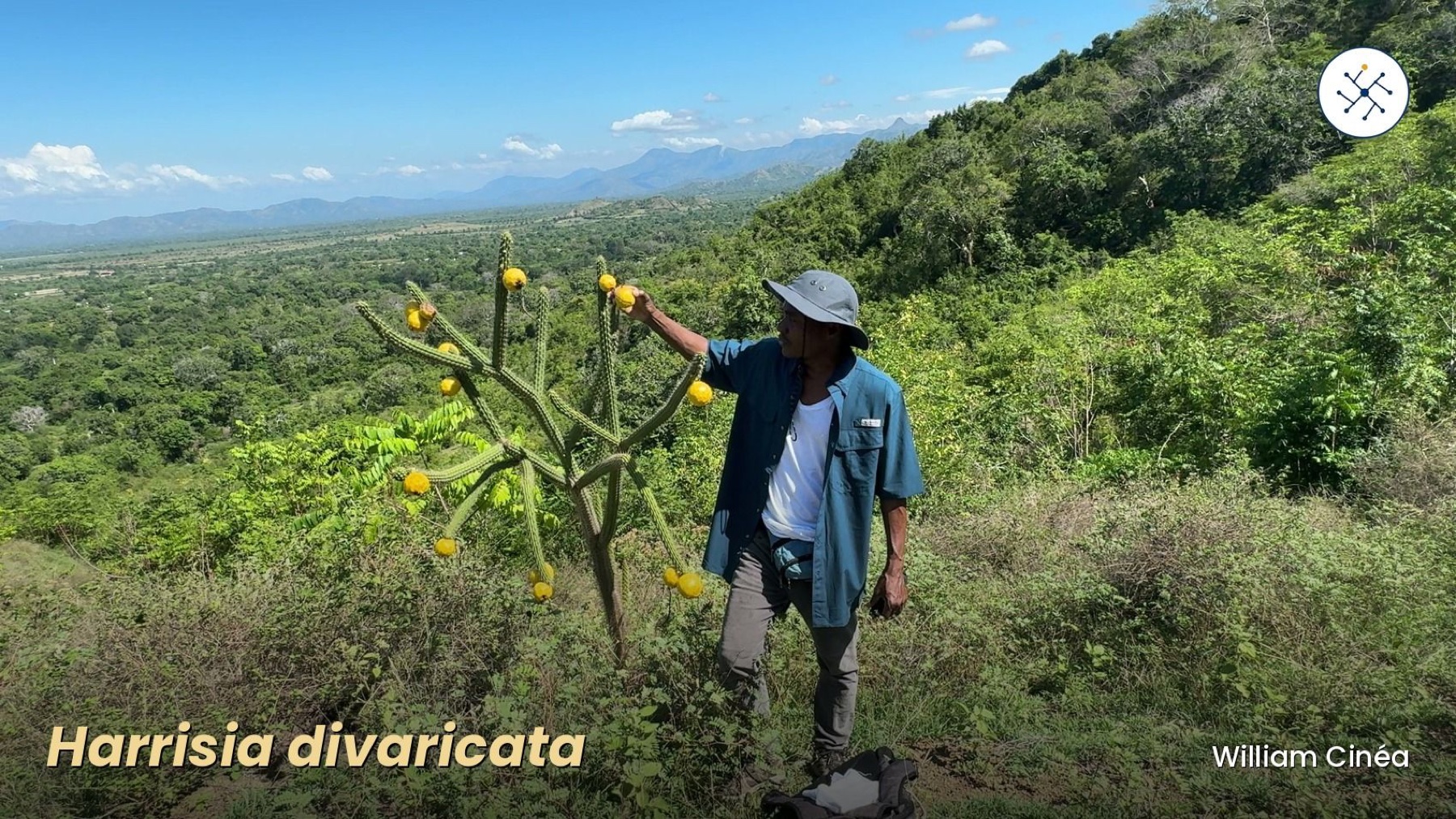
Foraging: discovering new food resources without making species disappear
Six wild fruits from Haiti still little known — Ximenia, local pitaya, Harrisia, Leptocereus, Pouteria, Garcinia — that open avenues of research for food security. But valorizing a plant without making it disappear first requires documenting and protecting it.
By William Cinéa
Ethnobotany · Oct 13, 2026
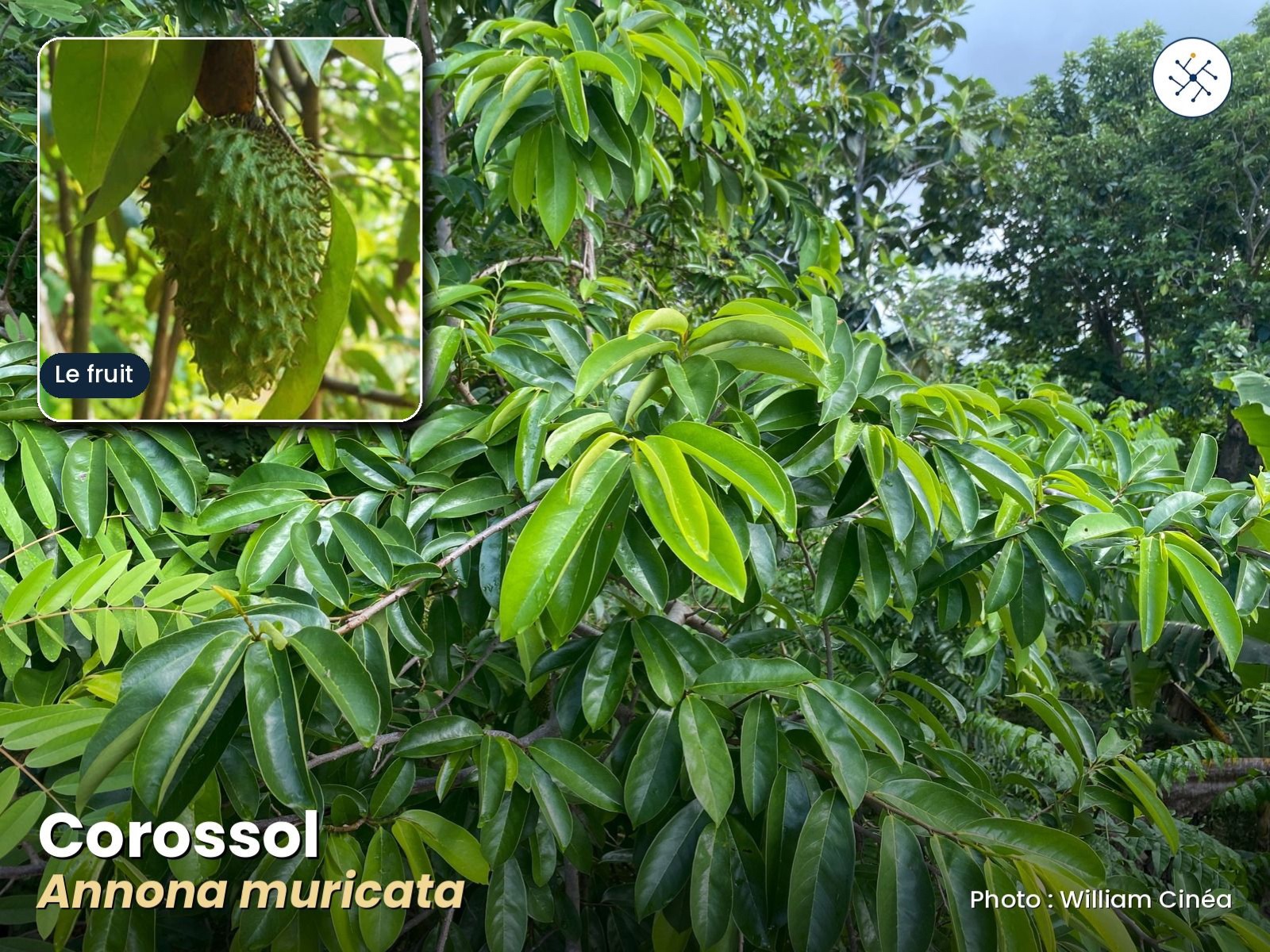
The power of leaf baths: between tradition and science
Taking a leaf bath — is it magic or phytotherapy? Behind these traditional practices — lime, bois pélé, soursop, coffee, Piper, Trichilia — lies a real plant chemistry. An ethnobotanical and phytochemical analysis.
By William Cinéa
Botanists who inspire us · Oct 9, 2026
Jean-Marie Pelt: a giant of systems thinking to rethink botany
Pharmacist, botanist, ecologist, author, science communicator: Jean-Marie Pelt (1933-2015) deeply shaped the way I understand plants. First portrait in the series 'Botanists who inspire us'.
By William Cinéa
Understanding botany · Oct 5, 2026
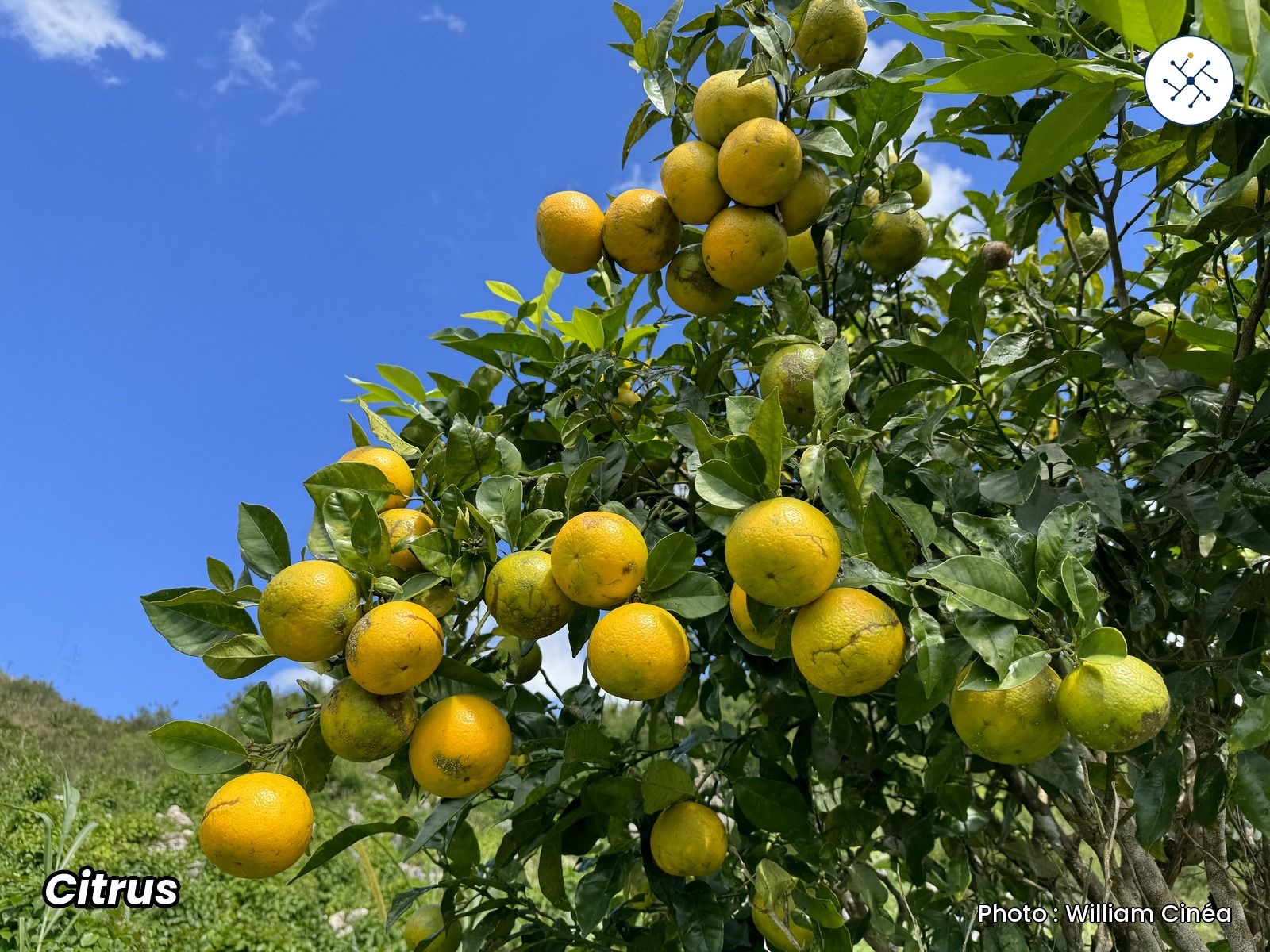
The Rutaceae family: its diversity and importance for health, industry, production and conservation
Whether you are a botanist, a conservationist, or a professional in natural medicine, nutrition, landscaping or forestry, the Rutaceae family matters to you. Beyond citrus fruits, 161 genera and 2,100 species with major uses — and several at risk.
By William Cinéa

Understanding botany · Jul 21, 2026
The Evolution of Plants: 470 Million Years of Inventions
A moss, a fern, a pine, a flower: these plants tell a story more than 470 million years long. Not a ladder from simple to perfect, but a tree of innovations — from water to land, from spores to the seed, then to the flower and the fruit. Learning to read them is beginning to think like a botanist.
By William Cinéa
Entrepreneurial botany · Jul 7, 2026
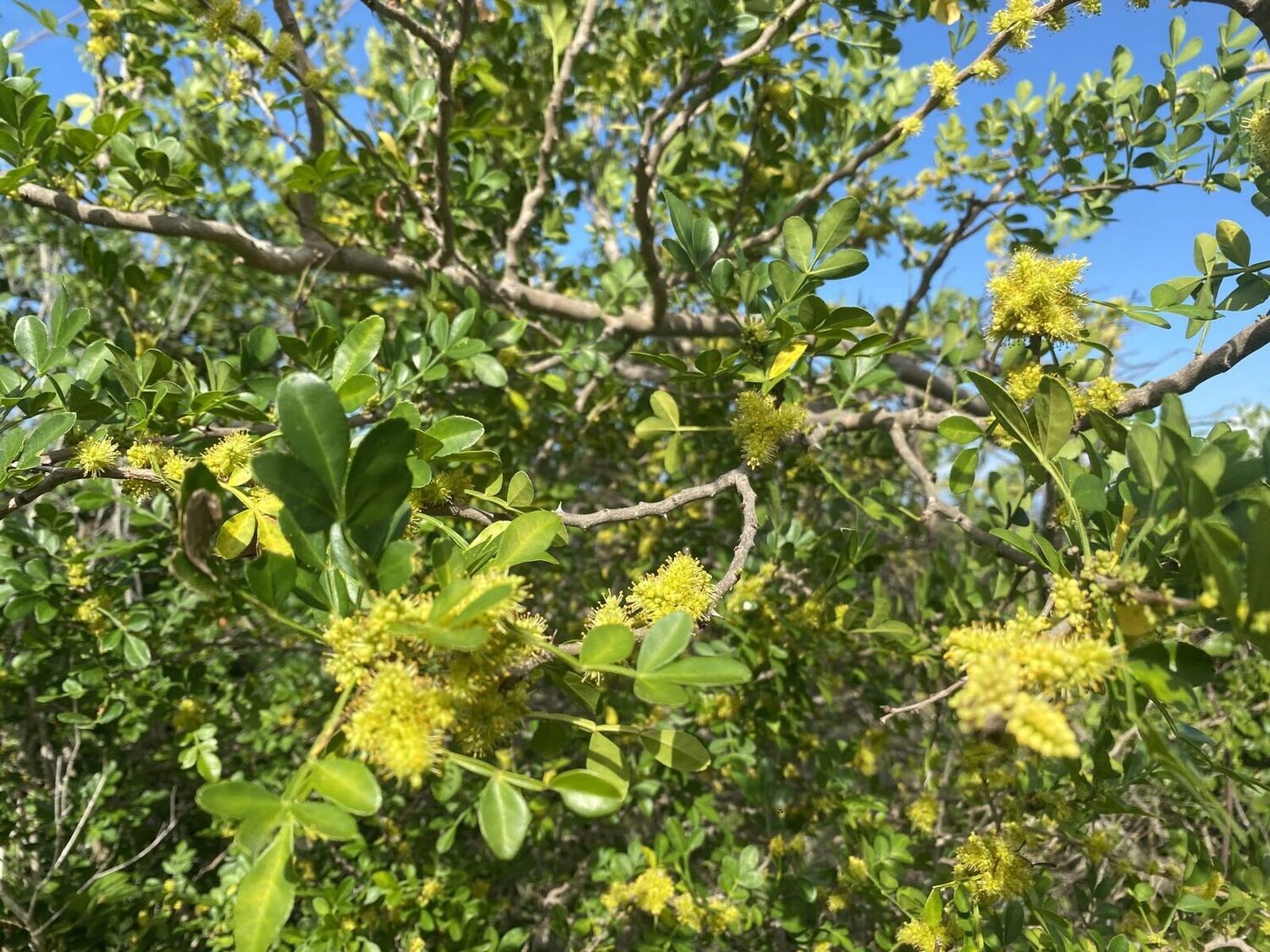
Zanthoxylum fagara: a honey plant worth knowing better
Fagara (Zanthoxylum fagara) is a honey plant observed in Haiti. A plant can seem ordinary until someone takes the time to observe it — and sees a resource for beekeeping, biodiversity and the local economy.
By William Cinéa
Botanic gardens & conservation · Jul 2, 2026
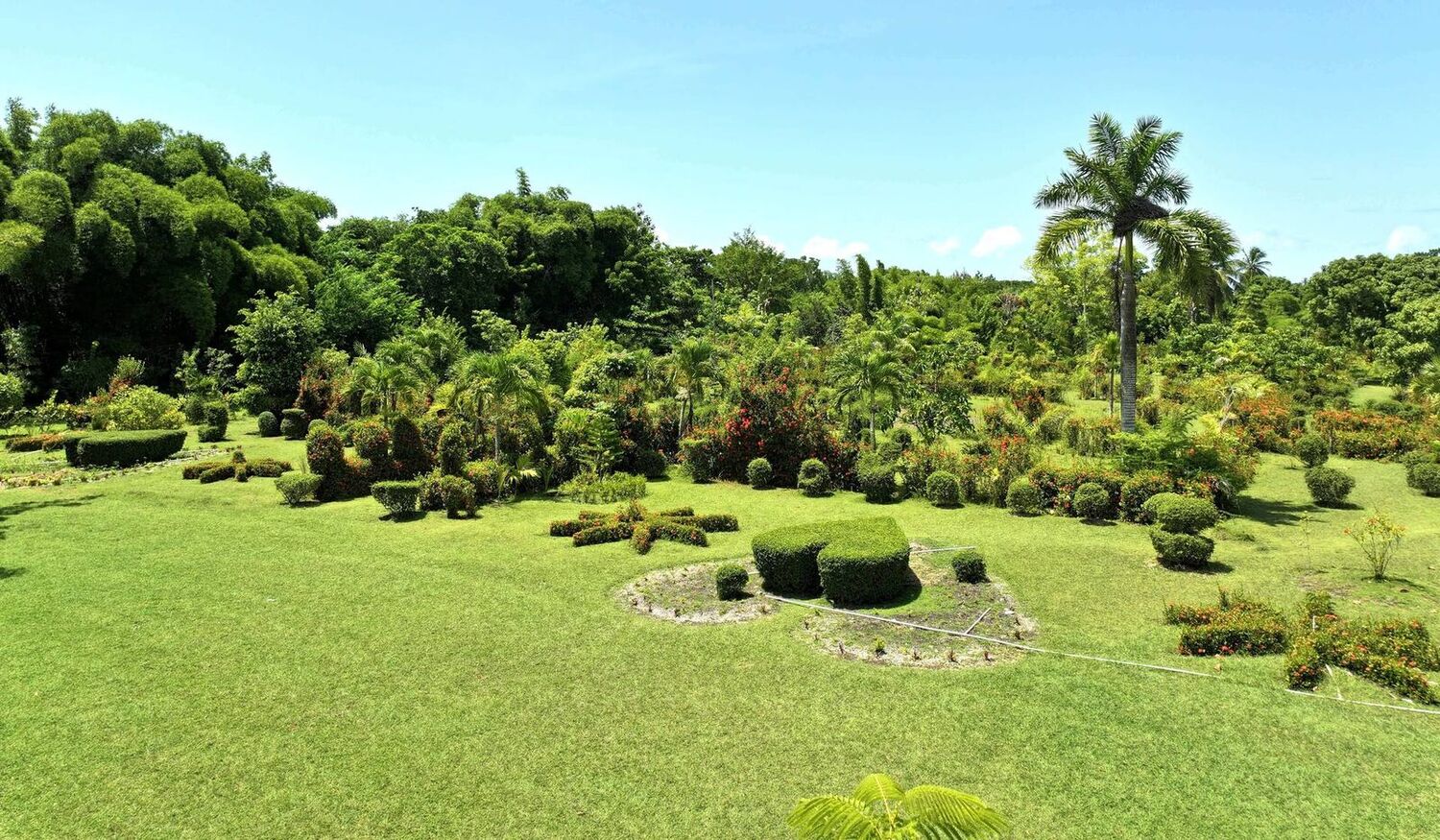
Botanic gardens of the 21st century: training Plant Masters, opening the way to entrepreneurial botany
The world has never spoken so much about biodiversity, climate and nature — and never known so little about how to observe and understand a plant. Botanic gardens hold the answer to this paradox. On one condition: that they dare to reinvent themselves — no longer only conserving the plant past of the world, but training those who will build the future with plants.
By William Cinéa
Entrepreneurial botany · Jul 1, 2026
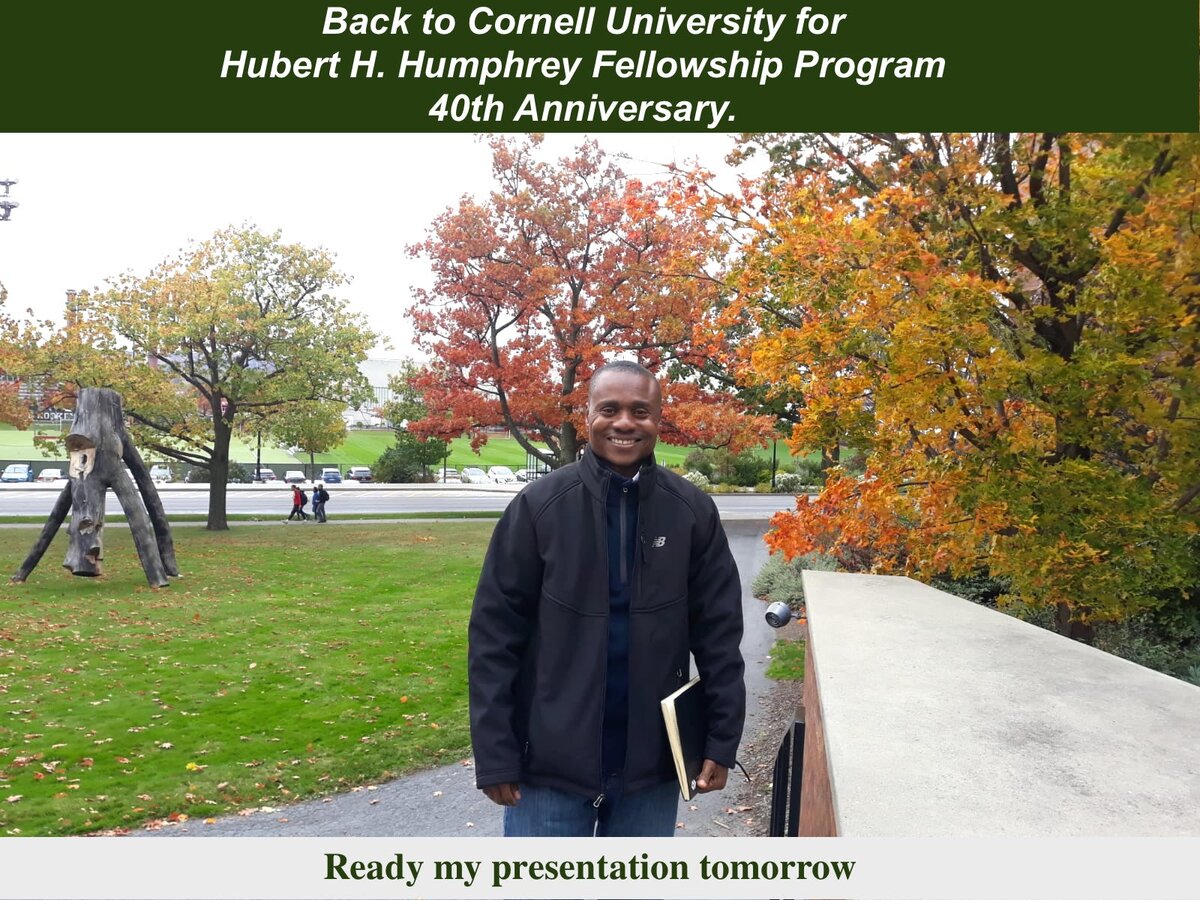
Botapreneurs is not only about plants
Why botanical knowledge must meet business, leadership and entrepreneurship. Knowing about plants is not enough: Botapreneurs exists to connect plant mastery with the systems that turn that knowledge into impact.
By William Cinéa
Becoming a Plant Master · Jun 30, 2026
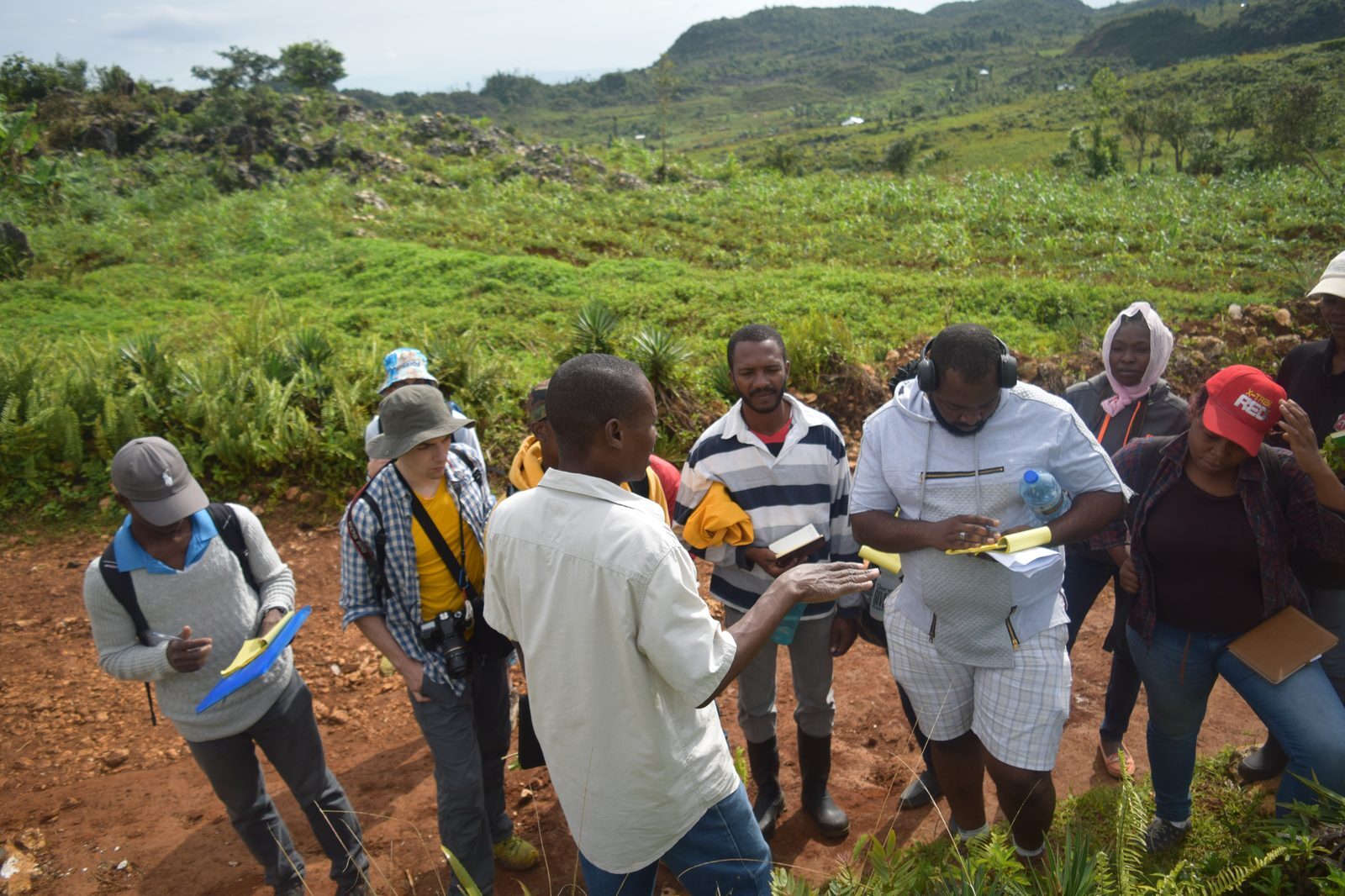
Teaching botany from the local flora
Botany should not be only a science of books, definitions and difficult terms. It must become again a living science, rooted in the plants that students see, touch, photograph, compare and use in their own environment.
By William Cinéa
Understanding botany · Jun 29, 2026
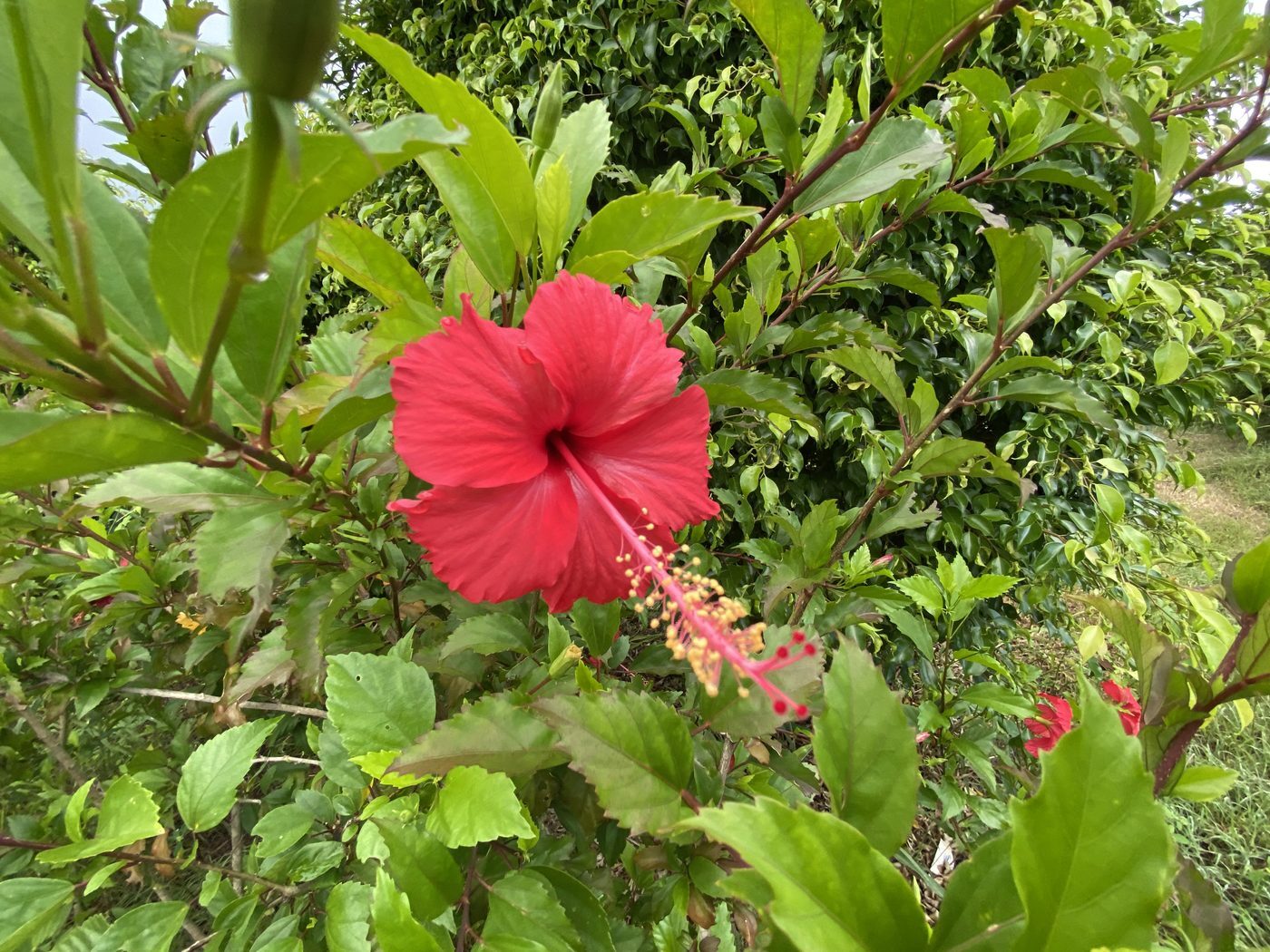
Plant Enthusiasts: rekindling an essential passion for life
Plants draw humans in with their colors, their aromas, their shapes, their fruits, their medicinal uses, their beauty and their mysteries. Yet this passion is fading among younger generations. It is time to reawaken it.
By William Cinéa
Becoming a Plant Master · Jun 29, 2026
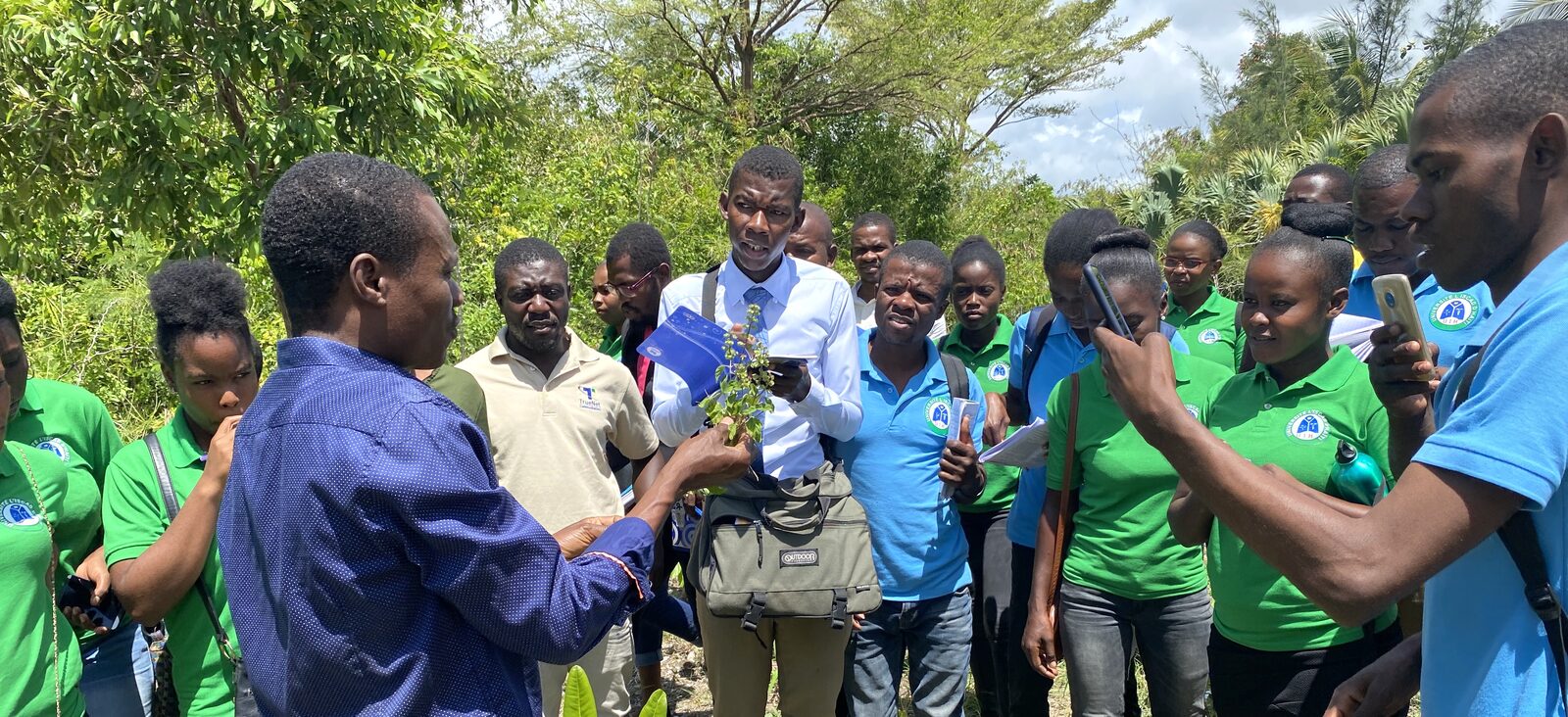
Training Plant Masters: the new mission of botany in the 21st century
William Cinéa calls for teaching botany again in schools, universities, families and society, in order to train a generation capable of understanding, protecting and valuing plants.
By William Cinéa

Entrepreneurial botany · Jun 23, 2026
Ascencio Paul, the Botapreneur who invested in beekeeping
A beekeeper and founder of ViAHSA, Ascencio Paul understood that the future of beekeeping does not depend on bees alone, but also on plants. Portrait of a true Botapreneur.
By William Cinéa
Becoming a Plant Master · Jun 22, 2026
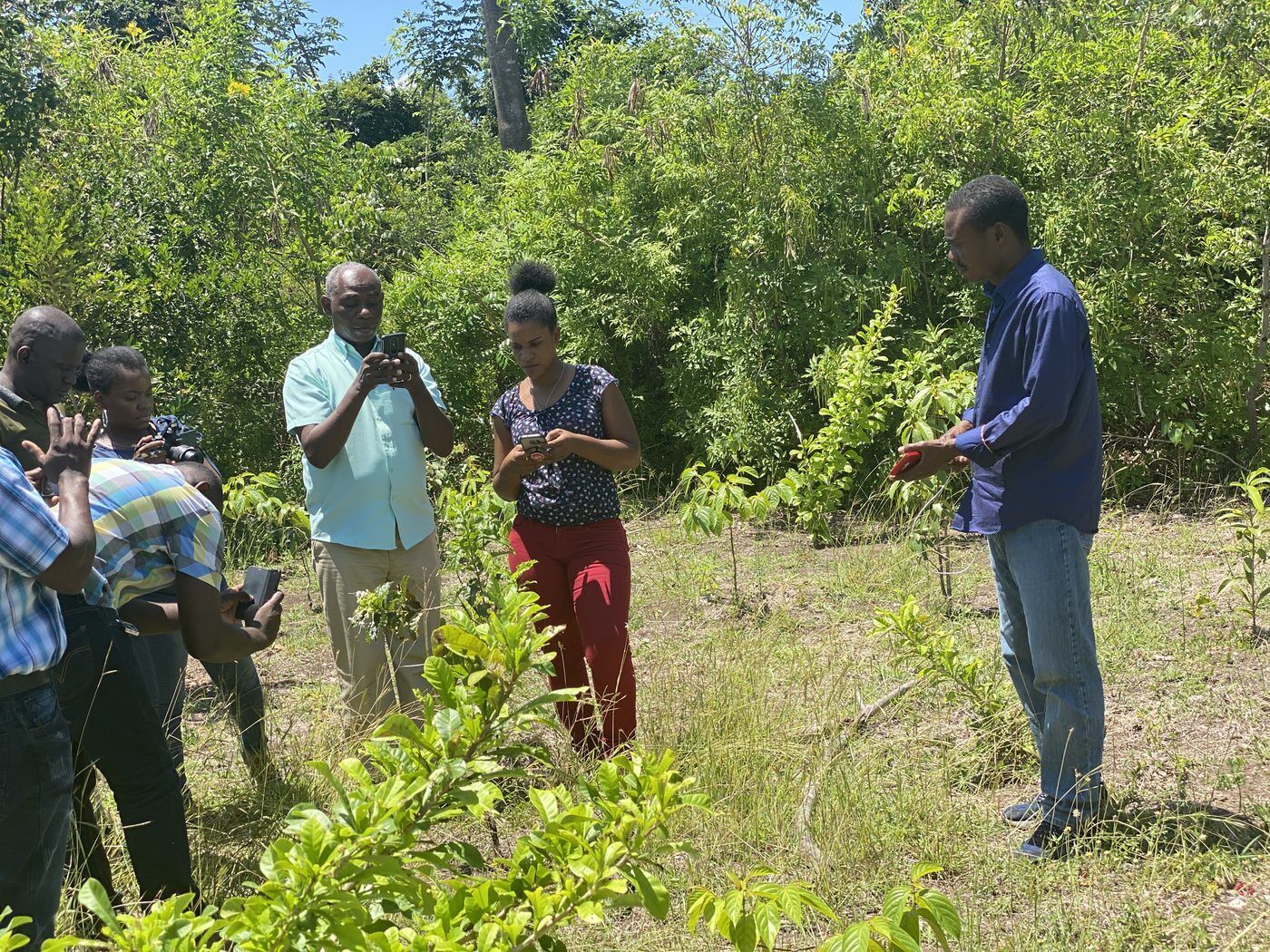
Understanding plants, beyond the name
With AI and apps, naming a plant has never been so easy. But naming is not understanding. Learning to observe a plant is entering its world — its form, its strategy, its habitat and its lessons.
By William Cinéa
Botanical data · Jun 20, 2026
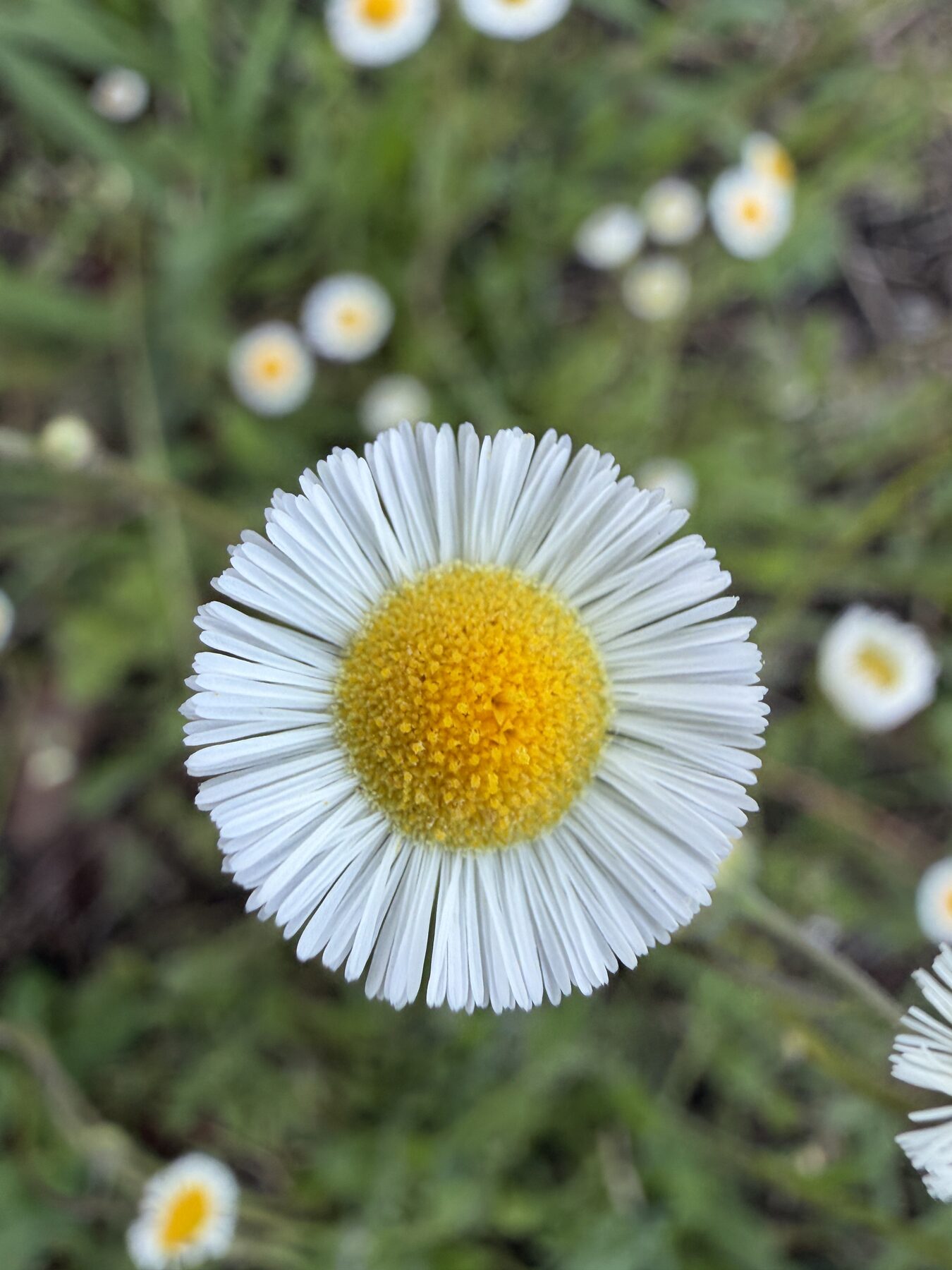
Botanical data: the living memory the world needs
Botanical data is not just information about plants: it is a living memory of millions of years — human uses, animal self-medication, evolution, ecology, adaptation, chemistry. Learning to understand it is the new mission of botany.
By William Cinéa

Entrepreneurial botany · Jun 19, 2026
Entrepreneurial botany: giving plant conservation an economic reason
Plants are among the most available resources in the world. They can feed, heal, restore, protect, inspire and create value. Entrepreneurial botany proposes to turn this knowledge into concrete solutions for communities, the green economy and conservation.
By William Cinéa
Botanic gardens & conservation · Jun 12, 2026
10 strategic reasons to build a botanic garden
A botanic garden is not a luxury reserved for rich countries. It is one of the most strategic institutions a city can build — for its food, its health, its climate, its economy and its identity. Here are ten reasons, and the proof that you can start small.
By William Cinéa
Botanical leadership · Jun 12, 2026
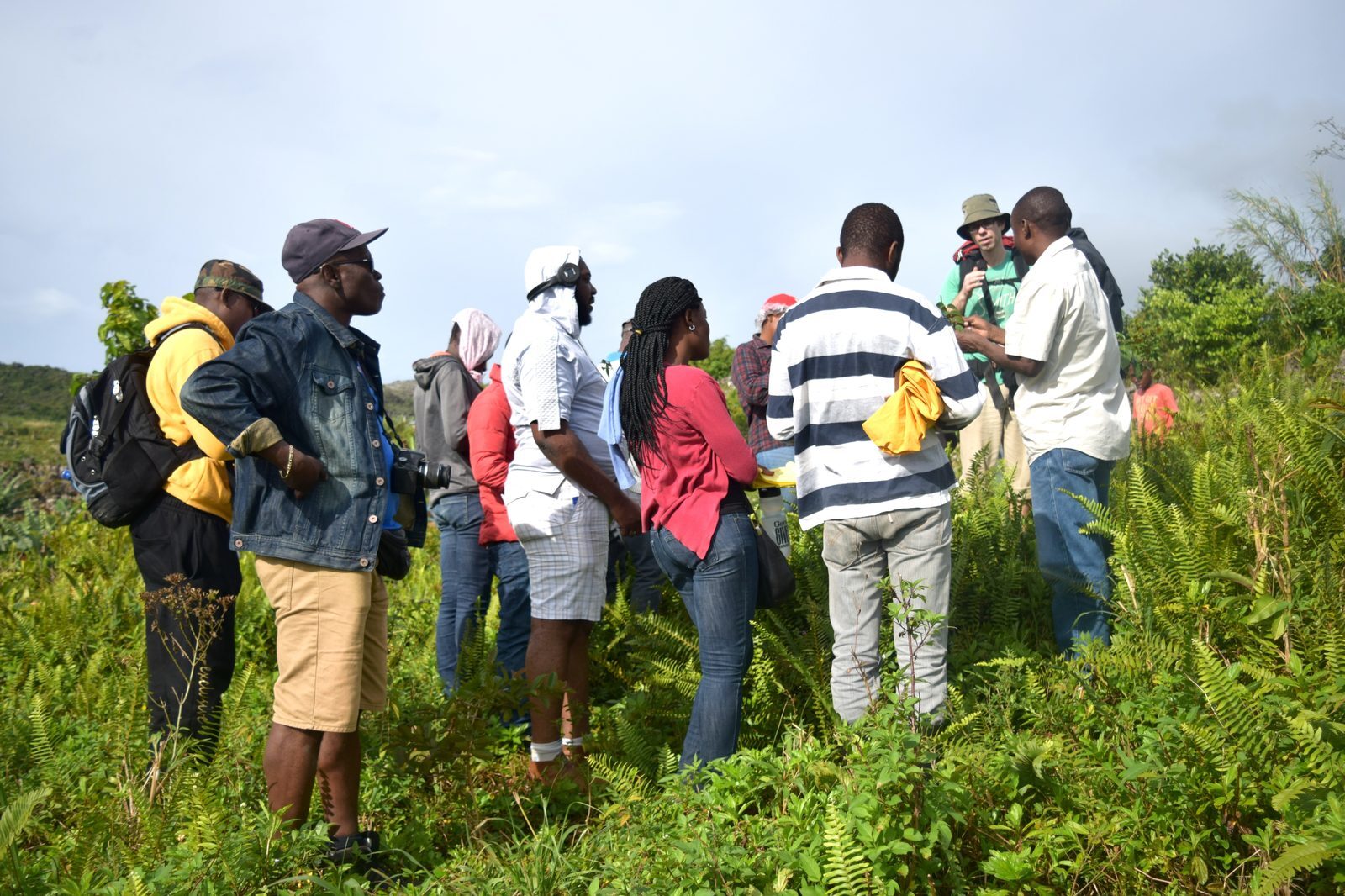
Why rethink botany in universities?
A student can earn a biology degree without being able to name the tree in front of their lecture hall. This is the symptom of a science that has become invisible — and the opportunity for a reform: first training Plant Masters, then botanist-entrepreneurs. A call to universities.
By William Cinéa
Entrepreneurial botany · Jun 10, 2026
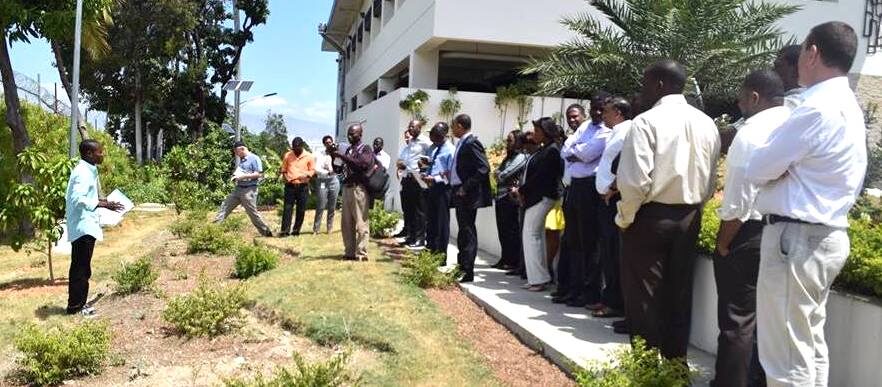
Why your team needs a botanist
In a world that uses plants to feed itself, heal, plan cities, restore ecosystems and create natural products, not having a botanist on a team becomes a scientific, economic and strategic risk.
By William Cinéa

Botanical leadership · Jun 8, 2026
My journey with plants: from Maniche to Botapreneurs
From Maniche to Botapreneurs: the story of a botanist-entrepreneur — from a childhood in contact with the land to the creation of the Jardin Botanique des Cayes, the Plant Mastery program and entrepreneurial botany.
By William Cinéa
Understanding botany · Jun 7, 2026
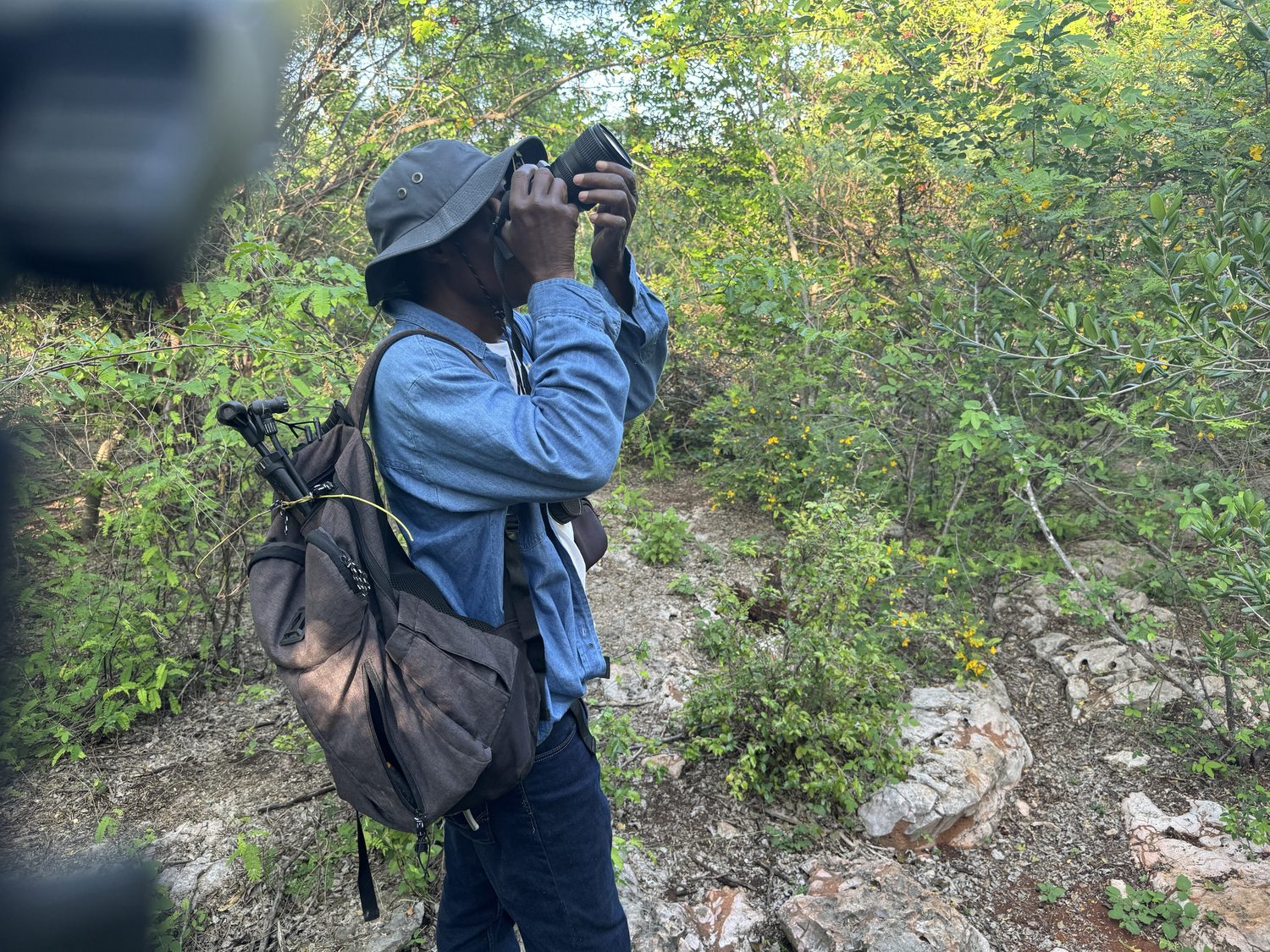
Botany at the service of humanity and the planet
Training in botany seems to be declining in many institutions, but the need for botanists has never been so great. The 21st century needs an awakened, practical, systemic and entrepreneurial botany: a botany with a mission, at the service of humanity and the planet.
By William Cinéa
Becoming a Plant Master · Jun 5, 2026
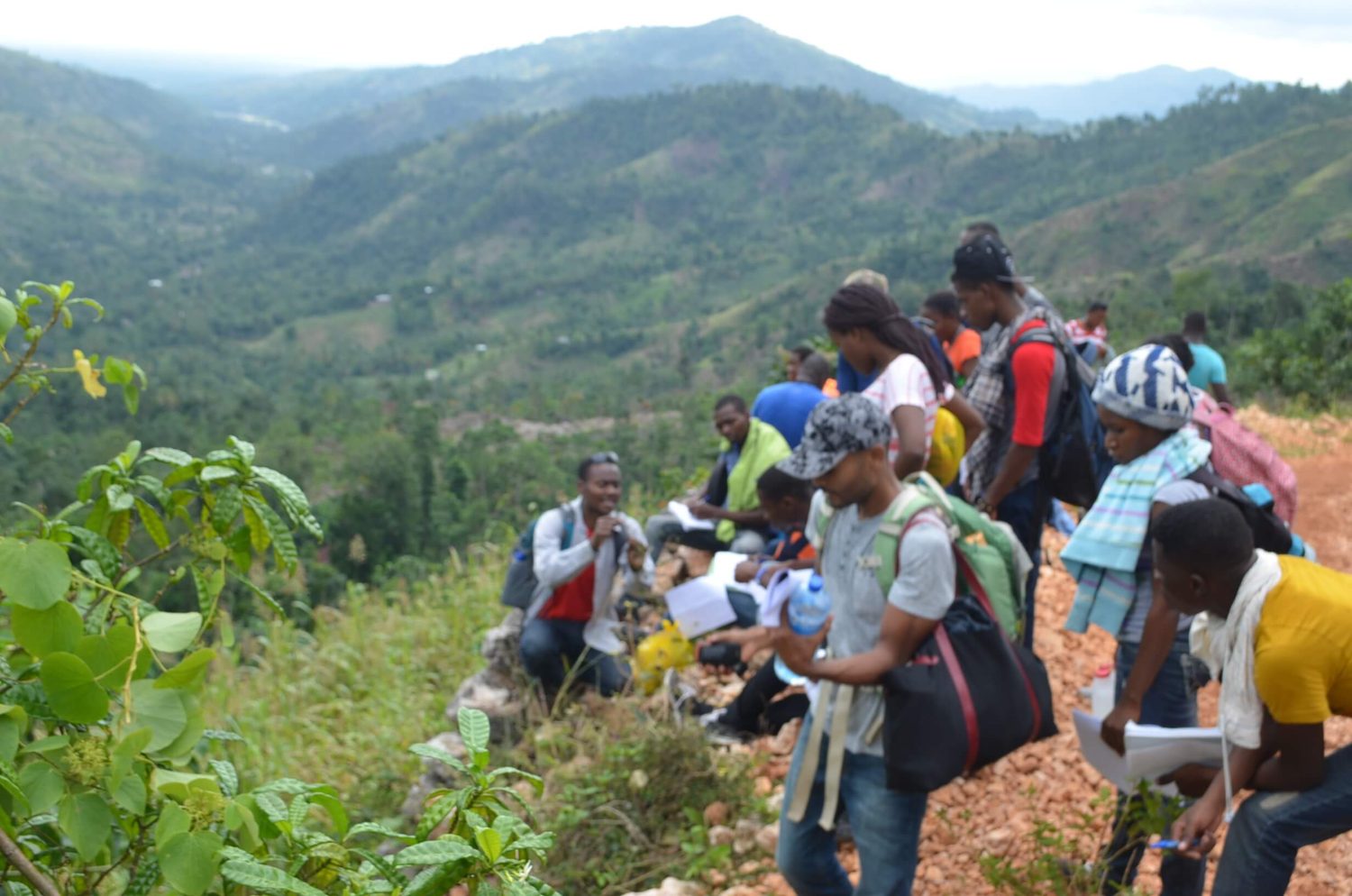
Becoming a Plant Master: entering the secret world of plants to create solutions
A Plant Master does not stop at the name of plants. They learn to observe them — their forms, their families, their molecules, their strategies — in order to turn that understanding into solutions. The story of a journey, from a flower in 1994 to the Jardin Botanique des Cayes.
By William Cinéa
No article matches your search.