By William Cinéa — Founder of Botapreneurs and creator of the Plant Mastery program.
Plants are not only silent living beings around us. They are sources of emotion, beauty, food, health, shade, colors, aromas, memory and inspiration. Since the beginning, they have drawn human attention. Some people fall in love with flowers. Others collect orchids, cacti, roses, ferns, hibiscus, citrus or medicinal plants. Still others are fascinated by giant trees, fruit plants, aromatic plants, rare plants or plants capable of transforming a landscape.
This deep relationship between humans and plants has created what we can call the passion for plants.
What is a Plant Enthusiast?
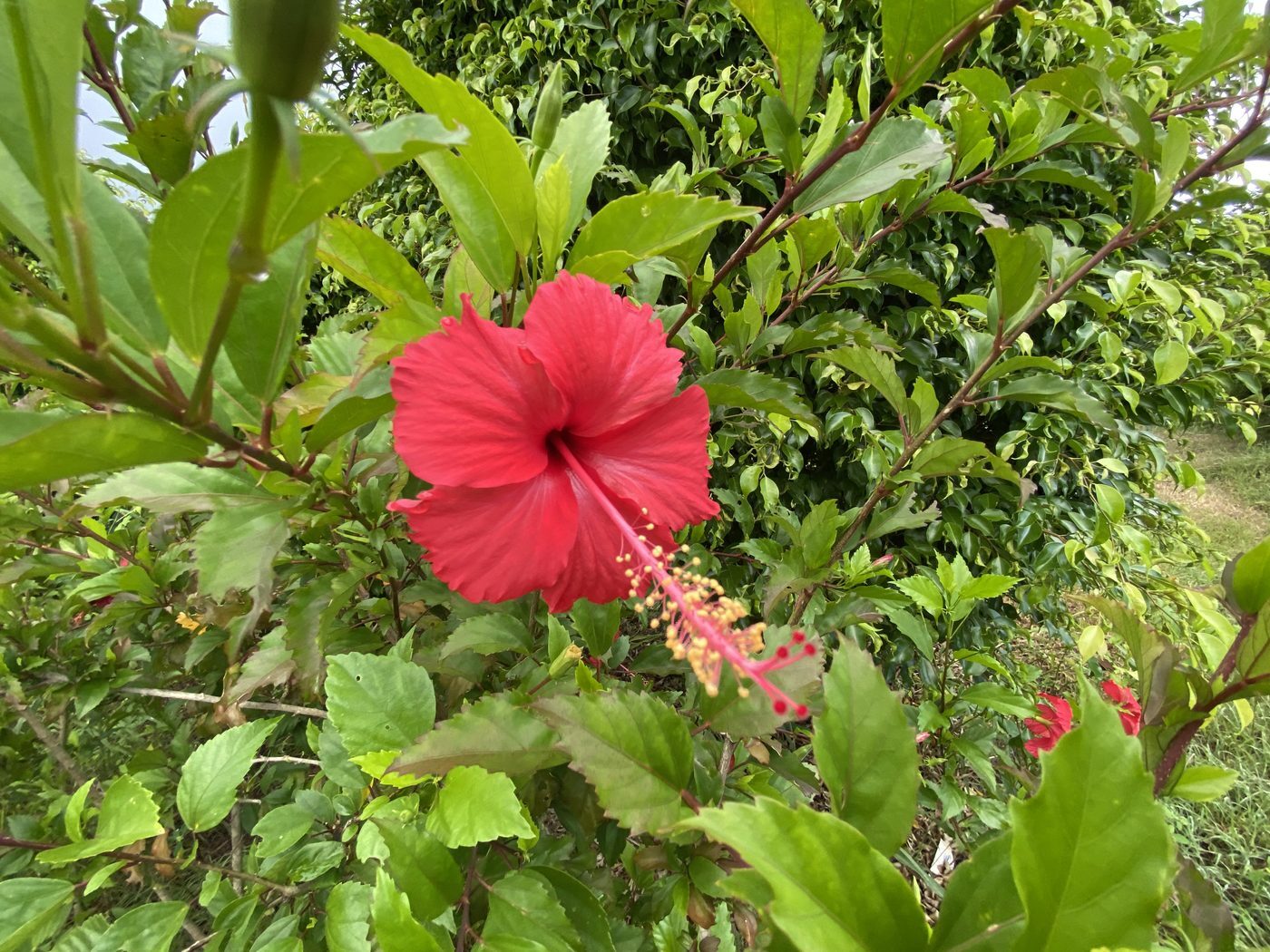
A Plant Enthusiast is not only someone who loves flowers. It is a person who develops a special relationship with the plant world. They observe, collect, cultivate, protect, photograph, study, smell, touch, compare and pass on. They may be drawn by a color, a scent, a shape, a story, a botanical family, a medicinal plant, a food plant or a rare plant. The passion sometimes begins with a flower in a garden, a plant received as a gift, the smell of an aromatic herb, a fruit from childhood, a majestic tree or a walk in nature.
Plants have this extraordinary ability to create bonds.
Colors and aromas
They produce colors that catch the eye: red, yellow, pink, white, purple, orange, blue, green and every possible shade. These colors are not only decorative. They are part of plants’ strategies for reproduction, attraction, communication and adaptation. But for humans, they also become a source of beauty, joy and inspiration.
Plants also produce aromas. Some leaves, flowers, fruits, bark or roots release scents that mark the memory. Basil, mint, rosemary, lavender, lemon tree, ginger, cinnamon or lemongrass do not speak only to our nose. They awaken memories, cuisines, care, gardens, traditions and emotions. This is why many people become passionate about aromatic plants.
Medicinal and food virtues
Other plants attract through their medicinal uses. For generations, humans have observed plants, tested their effects, learned their limits, passed on their uses and developed knowledge around medicinal plants. This passion must be accompanied by caution, because not all plants are without danger. But it shows one important thing: plants are connected to health, prevention, care, the memory of peoples and scientific research.
Food plants also create a very strong passion. Fruits, vegetables, leaves, seeds, roots, tubers, spices and cultivated plants sustain human life. Many people become passionate about orchards, vegetable gardens, fruit plants, citrus, tropical plants or forgotten edible plants. Through horticulture, agriculture, agroforestry and food gardens, plants become a source of pleasure, production, resilience and autonomy.
The shapes that fascinate
Some plants attract through their shape. Cacti fascinate with their ability to survive in dry environments. Ferns draw us in with their ancient elegance. Orchids captivate with their complex flowers and their relationships with pollinators. Palms give an impression of tropical landscape. Giant trees command respect. Carnivorous plants astonish with their strategies. Bonsai show patience, technique and art. Each group of plants can create a community of enthusiasts.
That is why there are, all over the world, associations of enthusiasts: enthusiasts of orchids, roses, cacti, ferns, hibiscus, citrus, carnivorous plants, trees, medicinal plants or tropical plants. These groups are important, because they pass on knowledge, organize exhibitions, conserve varieties, create networks and keep alive a concrete relationship with plants.
A passion that is fading among the young
But today, this passion is fading among many young people. New generations often grow up far from the field, far from gardens, far from forests, far from cultivated plants and far from traditional knowledge. They know screens better than leaves. They sometimes know how to use an app to identify a plant, but do not know how to recognize a toxic plant, a food plant, a medicinal plant, a native plant or an invasive plant. Some people are afraid to touch plants. Others see spontaneous vegetation as nothing but weeds.
This disconnection is dangerous.
Botany is not knowledge reserved for a single generation. It is knowledge that must be passed on from generation to generation. Animals themselves pass on behaviors related to food, plants and survival. Humans must also pass on the knowledge of the living world. A society that no longer knows its plants becomes more vulnerable: vulnerable to poisonings, to food mistakes, to landscaping mistakes, to poor agricultural decisions, to biodiversity loss and to the disappearance of local knowledge.
When botany locked itself in the laboratory
When I look at the history of botany as a botanist-entrepreneur, I have the impression that we have often taught botany according to the dominant trends of each era. The first botanical gardens were strongly linked to medicinal plants. Then, with the development of the microscope, botany moved further into the laboratory, into the cell, into tissues and into invisible structures. Later, genetics, molecular biology and modern technologies transformed once again the way we study plants.
All of this is important. But while botany was becoming more specialized, practical, visible and popular botany was declining. Many people lost direct contact with plants. We developed very advanced sciences, but we forgot to keep alive the simple passion that drives a person to observe a leaf, smell a flower, plant a seed, recognize a tree or protect a species.
Rekindling the passion
We must therefore rekindle the passion for plants. We must present plants differently. We must show their stories, their strategies, their colors, their aromas, their molecules, their uses, their dangers, their adaptations and their relationships with humans and ecosystems. We must multiply botany courses, workshops, visits, educational gardens, content, videos, exhibitions, clubs and programs that make children, young people and adults want to reconnect with plants.
We must also encourage those who are already passionate. If you are a Plant Enthusiast, keep going. Keep cultivating, observing, photographing, learning, collecting, passing on and inspiring. Your passion can influence other people. It can lead a child to love flowers, a young person to study botany, a family to create a garden, a community to protect a local plant, an entrepreneur to develop a plant project or a school to teach more about nature.
The world needs more Plant Enthusiasts.
From passion to mastery: Plant Mastery
But passion must not remain only emotional. It can become knowledge. It can become skill. It can become a profession. It can become an enterprise. This is where the Plant Mastery program takes on its full meaning.
A Plant Master is a person who transforms their passion for plants into methodical understanding. They learn to observe and describe plants: their shapes, their families, their leaves, their flowers, their fruits, their seeds, their roots, their scents, their latex, their habitats, their uses, their risks and their strategies. The Plant Master is not content with loving plants. They seek to understand them, document them, protect them and pass them on.
This is also the vision of Botapreneurs. Botapreneurs wants to encourage a new generation of botanist-entrepreneurs, of Plant Masters, of Botapreneurs and Botapreneuses capable of advancing botany in the 21st century. The goal is to transform the passion for plants into knowledge, knowledge into action, and action into projects useful for health, food, agriculture, conservation, education, landscaping, well-being and plant entrepreneurship.
From a flower to a whole life
The passion for plants can begin with a flower. But it can lead to a whole lifetime of learning. It can begin with a scent, but it can open the door to plant chemistry. It can begin with a fruit, but it can lead to food security. It can begin with a garden, but it can become an enterprise. It can begin with a collection, but it can become a conservation mission.
This is why we must protect and develop this passion. Plants have developed extraordinary strategies to reproduce, defend themselves, adapt and survive. In turn, we must develop strategies to know them, love them, teach them, value them and conserve them.
The 21st century needs technology. But it also needs people capable of marveling at a plant. It needs Plant Enthusiasts. It needs Plant Masters. It needs Botapreneurs and Botapreneuses. And this new generation begins with a simple decision: to look at plants not as decoration, but as a source of life, knowledge, beauty and future.
About the author — William Cinéa is a botanist-entrepreneur, holder of a master’s degree in botanical garden leadership, founder of Botapreneurs and creator of the Plant Mastery program. He works to democratize botanical knowledge to make it useful for health, food, agriculture, conservation, education, innovation, well-being and plant entrepreneurship.