By William Cinéa — Founder of Botapreneurs and creator of the Plant Mastery program.
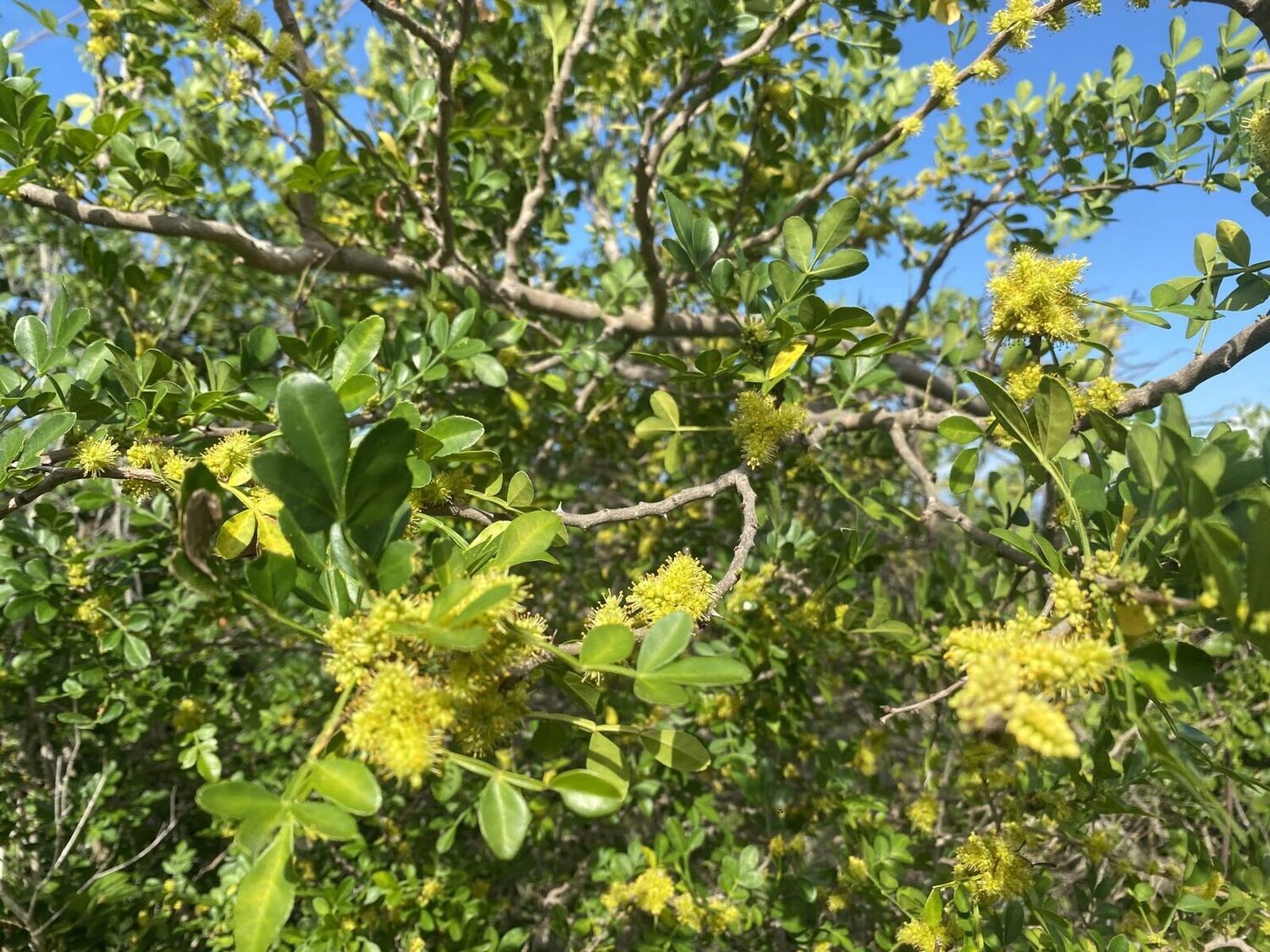
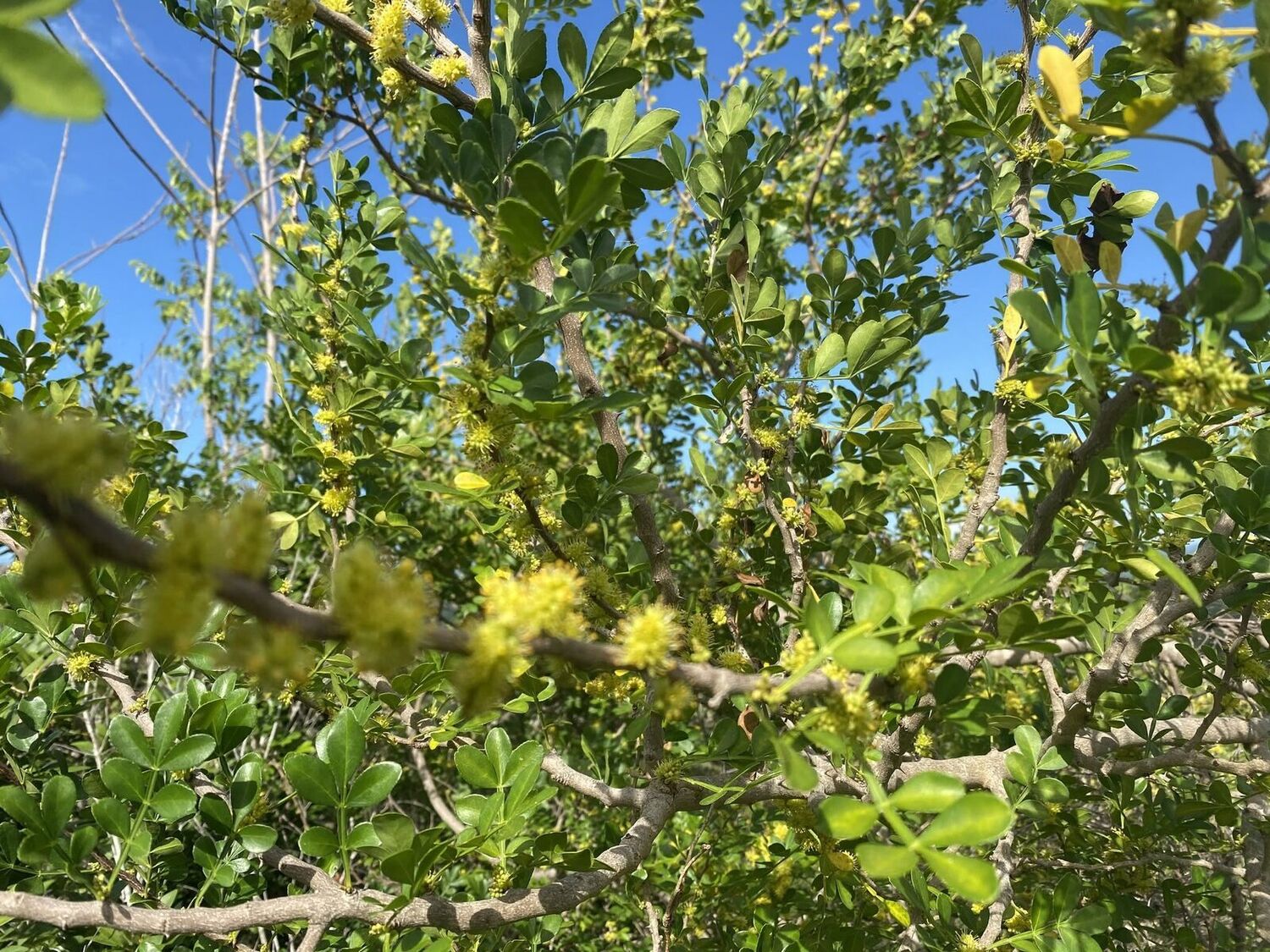
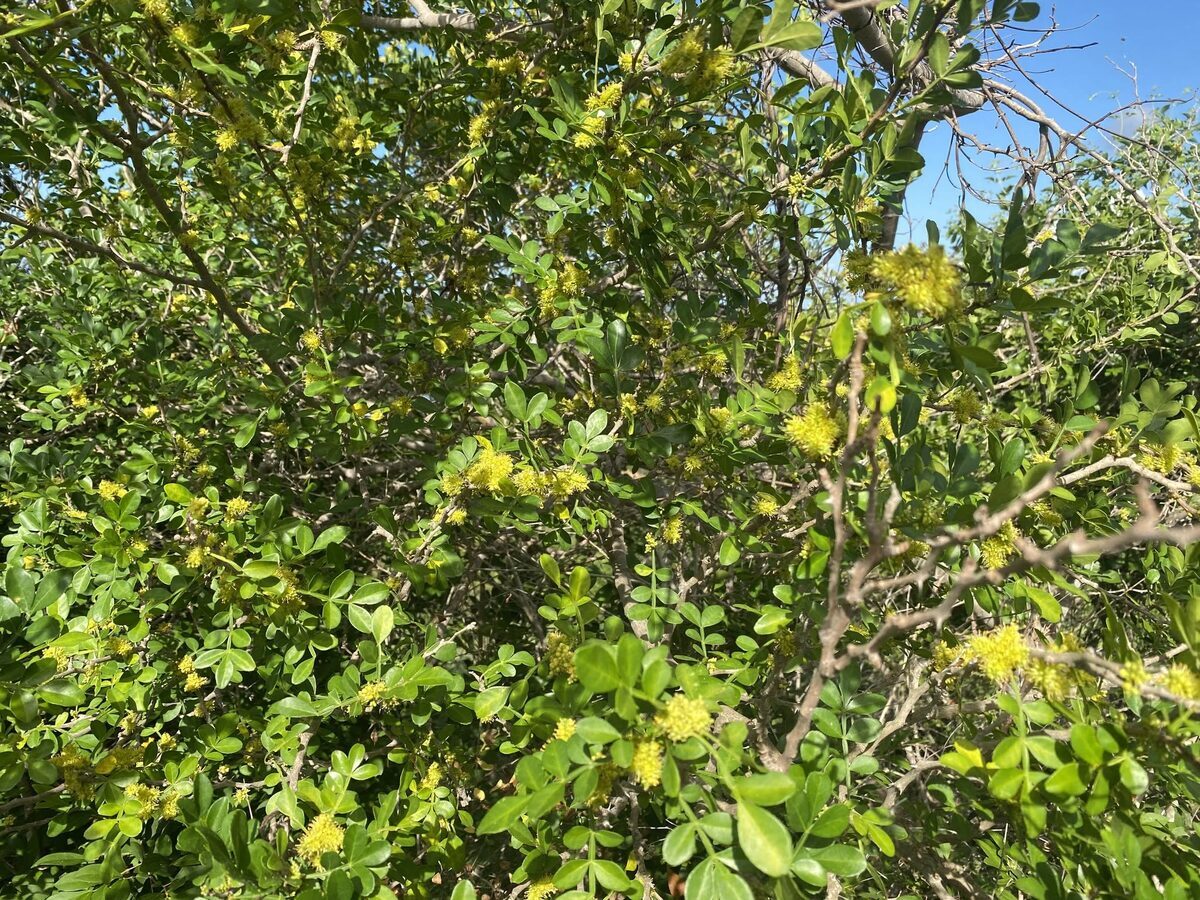
Fagara (Zanthoxylum fagara) is a plant I have often observed in Haiti. But it was in Limonade, in April 2024, that it truly caught my attention. From a distance, I saw a small tree covered in yellow flowers. As I got closer, I noticed it was heavily visited by bees.
For many people, it was perhaps just a small tree in bloom. But for a botanist, a Plant Master or a Botapreneur, this observation reveals an opportunity. It shows that a local plant can have real value for beekeeping, biodiversity, research and even the local economy.
Fagara appears to be a highly melliferous plant. This means it can offer a valuable resource to bees during its flowering period. But to make the most of it, we need more data: its flowering period, how long it lasts, its attractiveness to bees, its nectar potential, and the type of honey it can help produce.
This is where botanical knowledge becomes important. A plant can be present in a territory for years without its true value being recognized. But when a botanist or a Plant Master observes, identifies and shares the information, that plant can become a resource for beekeepers, researchers, nursery growers, landscapers and local communities.
Fagara is not only a honey plant. The genus Zanthoxylum is also known in several regions for its traditional uses and its aromatic or medicinal compounds. This does not mean it should be used without caution. But it shows that this is a plant that deserves to be studied seriously.
For Botapreneurs, this species perfectly illustrates the role of the botanist-entrepreneur. The Botapreneur does not just look at a plant. They see an opportunity for knowledge, conservation and responsible value creation. They seek to understand how a plant can support bees, strengthen beekeeping, create data, inspire projects and generate lasting wealth for local communities.
Creating value from a plant does not mean exploiting it without limits. It means knowing it better, protecting it better and organizing its use better. If Fagara is important for bees, it must be documented. If it can support beekeeping, it must be studied. If it can create a local opportunity, it must be integrated into a vision of conservation and sustainable development.
I invite beekeepers, botanists, Plant Masters, researchers, healers, nursery growers and local communities to observe Zanthoxylum fagara more closely. We need photos, field observations, data on its flowering, testimonies about its uses and experiences with bees.
A plant can seem ordinary until the day someone takes the time to observe it.
Fagara reminds us that botany lets us see what many people do not yet see: a plant, a resource, an opportunity and a reason to protect nature better.