Leaf
The solar factory that tells where it lives.
The leaf is the plant's solar factory. Its shape, veins and thickness tell you its habitat: a broad leaf captures lots of light in the shade; a narrow or thick leaf resists drought. Veins are not decoration — they are the pipes that carry water and sap, and their pattern already helps you recognize the family.
The diversity of the leaf
Browse the photos with the arrows. Click the image to open it fullscreen.
See the leaf in motion
To help you understand, learn and master botany, we've created videos on our YouTube channel, in three languages. They let you start whenever you want and dive into the study of plants, at your own pace. Our goal: to leave no one behind. Start however you like, join the communities and learn — together, let's raise the level of botany across the world.
▶ Watch on YouTubeThe parts and forms of the leaf
Each part has a role. Look at the photo, read its description — let the plant speak.
Simple leaf
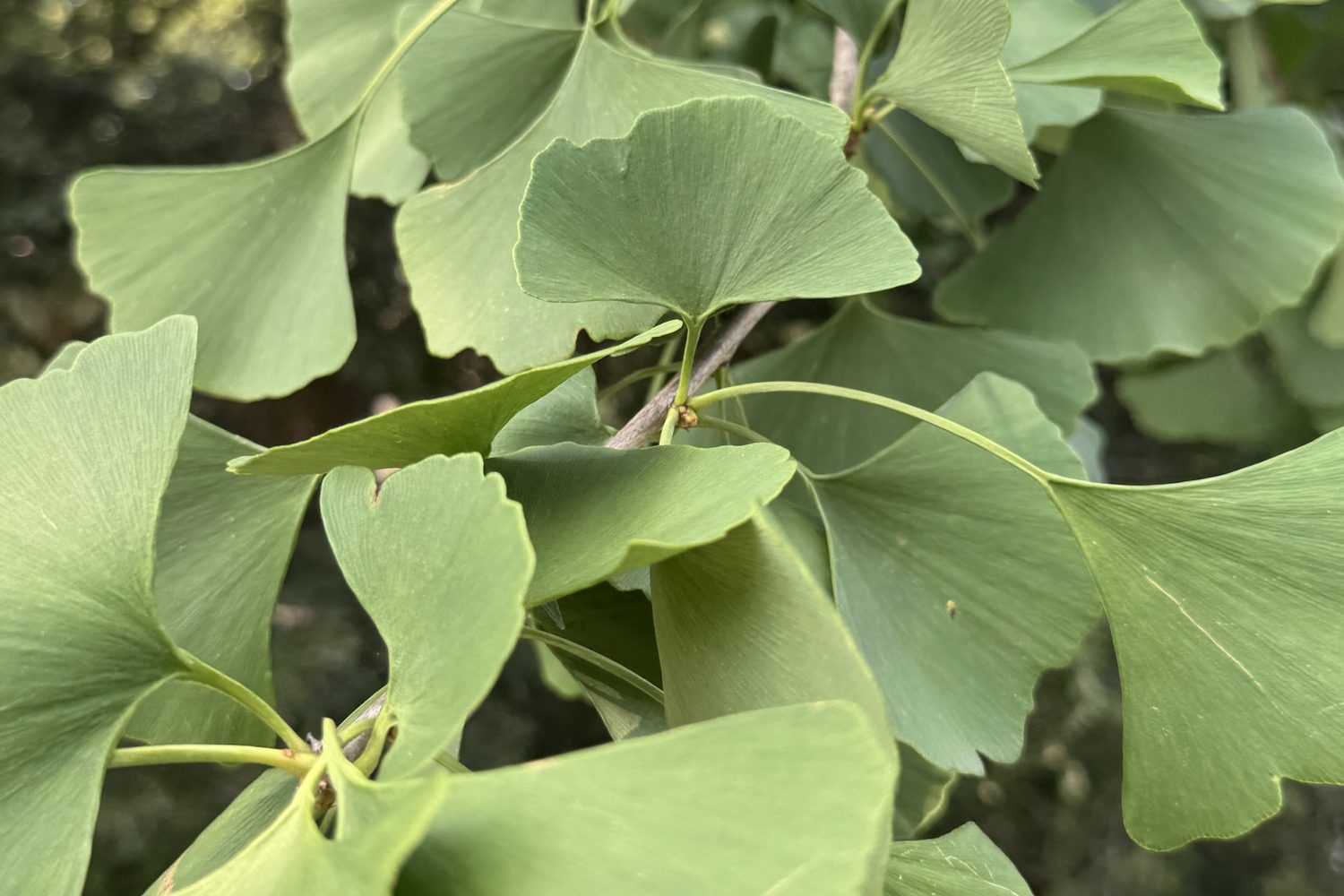
Leaf whose blade is in one piece, not divided into leaflets.
Compound leaf
Leaf whose blade is divided into several leaflets.
Bipinnate leaf
Compound leaf whose leaflets are themselves divided (doubly compound).
Blade
Flat, broadened part of the leaf where photosynthesis takes place.
Petiole
Stalk that connects the blade to the stem.
Veins
Conducting bundles that run through the blade (sap and support).
Pick up two different leaves. Compare their veins and thickness. Which one comes from a dry place? Post them side by side.
- 01 Take a photo of the leaf and its parts.
- 02 Name what you see: Simple leaf, Compound leaf, Bipinnate leaf.
- 03 Post your photo in the group and compare with the community.
La suite du parcours
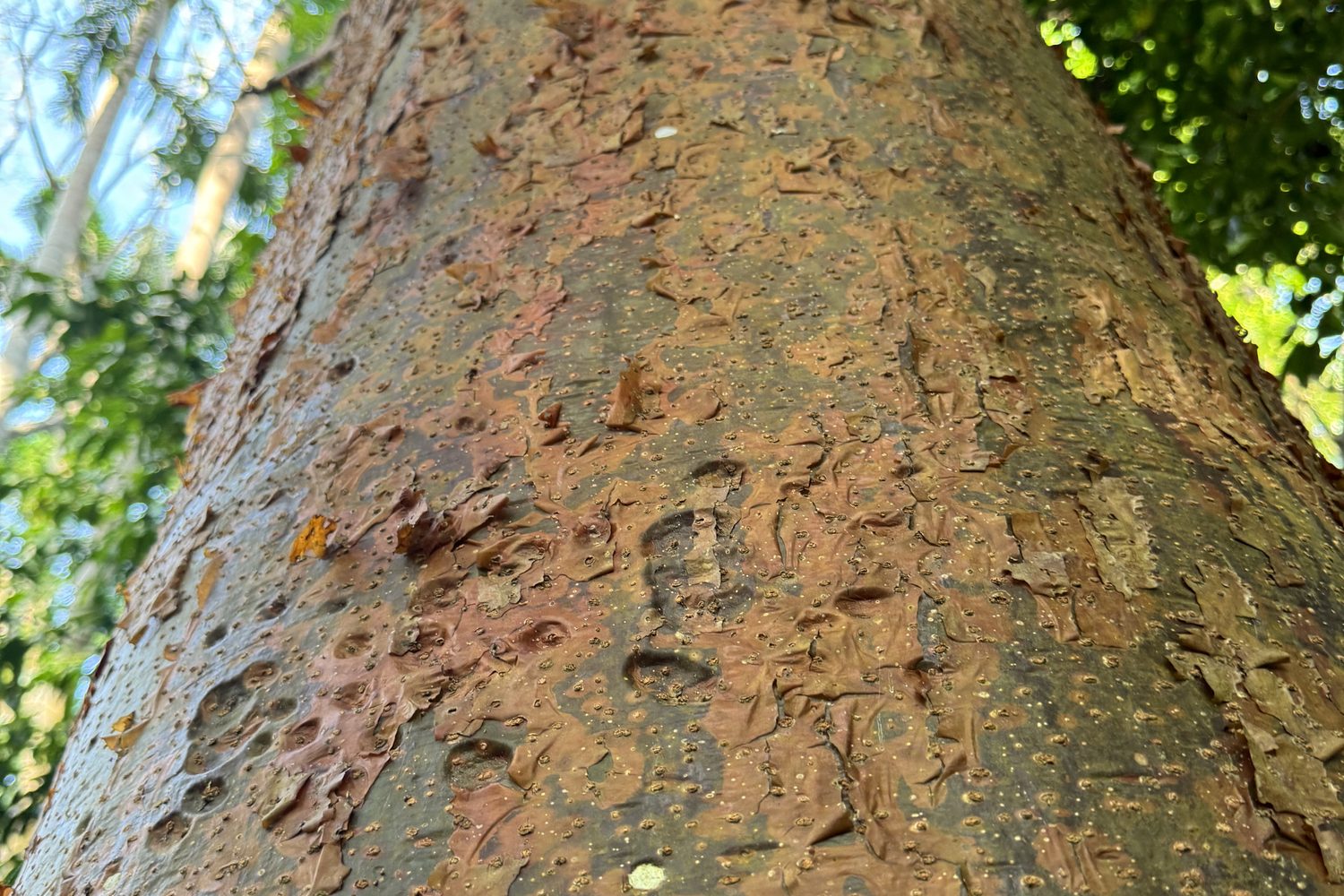
La tige — le pilier de la plante
Après la feuille, découvrez la tige : ce qui porte, conduit, stocke et connecte tous les organes de la plante.
Commencer la leçon Tige →