Flower
Color is never an accident.
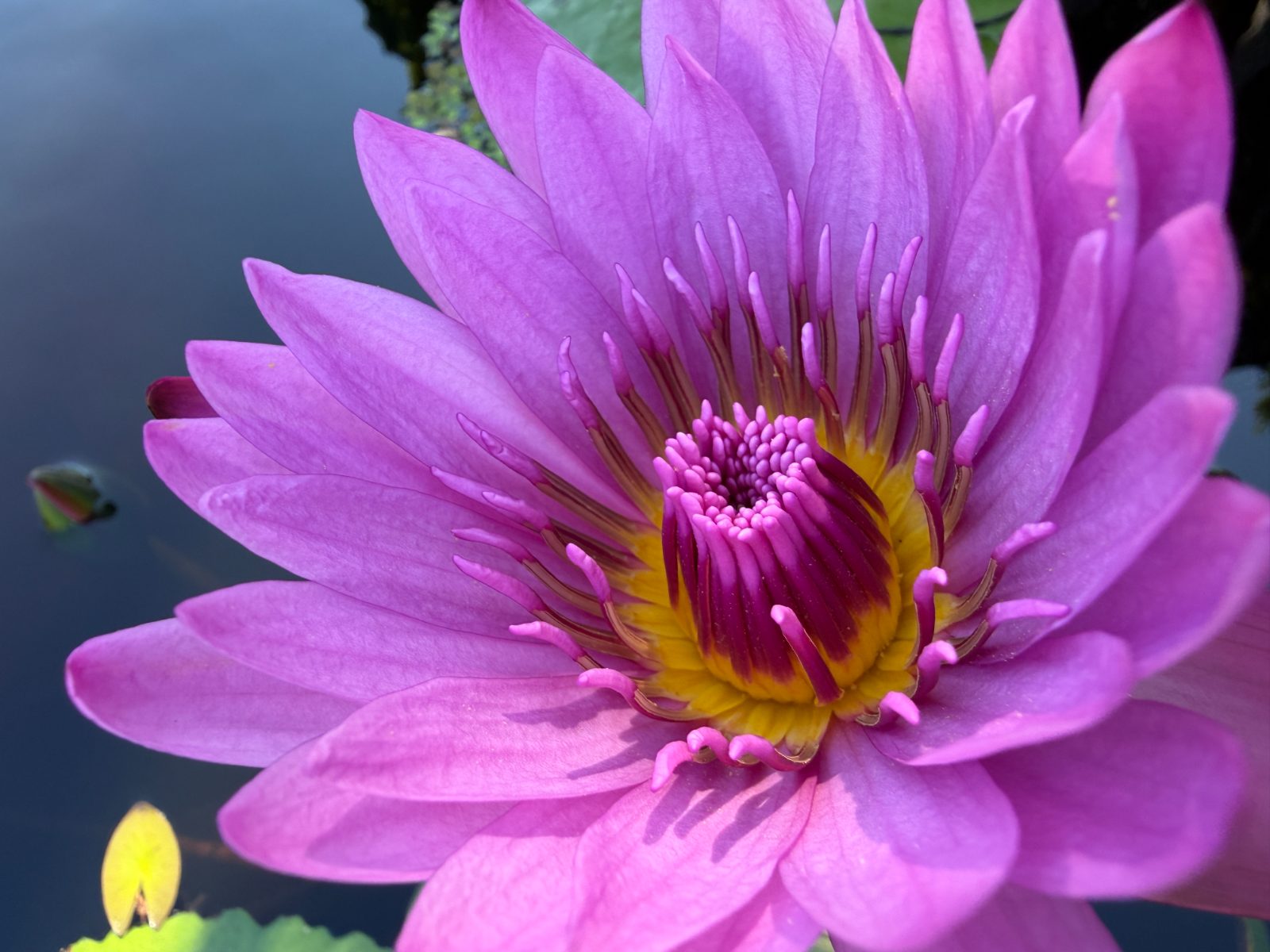
A flower is not a decoration: it is the plant's reproductive innovation. Its color sends a message — most often it attracts a partner (insect, bird, bat) to carry the pollen; sometimes it repels unwanted visitors. A bright yellow, a pink, a deep purple are not “pretty”: they are signals. Reading those signals means understanding how the plant reproduces and who its allies are.
The diversity of the flower
Browse the photos with the arrows. Click the image to open it fullscreen.
See the flower in motion
To help you understand, learn and master botany, we've created videos on our YouTube channel, in three languages. They let you start whenever you want and dive into the study of plants, at your own pace. Our goal: to leave no one behind. Start however you like, join the communities and learn — together, let's raise the level of botany across the world.
▶ Watch on YouTubeThe organ of reproduction and its parts
Each part has a role. Look at the photo, read its description — let the plant speak.
Sepals
Generally green parts of the calyx. They protect the flower bud and, thanks to their chlorophyll, often play a role in photosynthesis.
Petals
Generally colored parts of the corolla. Color is the plant's strategy to build partnerships: attracting pollinators through color, scent and nectar — or deterring unwanted visitors.
Stamens
The male part of the flower. Each stamen has a filament, an anther (held by the connective) and produces the pollen. Without them, no fertilization — so no fruits or seeds.
Pistil
The female part, at the center of the flower. It gathers the stigma (the tip that receives the pollen), the style and the ovary. After fertilization, the ovary produces the seeds. Pollination is the transport of pollen grains to the stigma.
How the petals are joined tells you a lot about the plant
Careful: these two words do not describe a part of the flower, but a way the corolla is built. Depending on whether the petals are fused together or free, plants are sorted into large, different groups — a key clue for identifying them. Two words to remember:
Gamopetalous flower
A flower whose petals are fused together: you cannot pull them off one by one (a tubular or bell-shaped corolla).
Polypetalous flower
A flower whose petals are free: you can pull them off one by one, one after another.
Find a flower near you. Spot the petals, stamens, pistil. Ask yourself: who does this color attract? Post your photo.
- 01 Take a photo of the flower and its parts.
- 02 Name what you see: Sepals, Petals, Stamens.
- 03 Post your photo in the group and compare with the community.
La suite du parcours
La feuille — captez la lumière
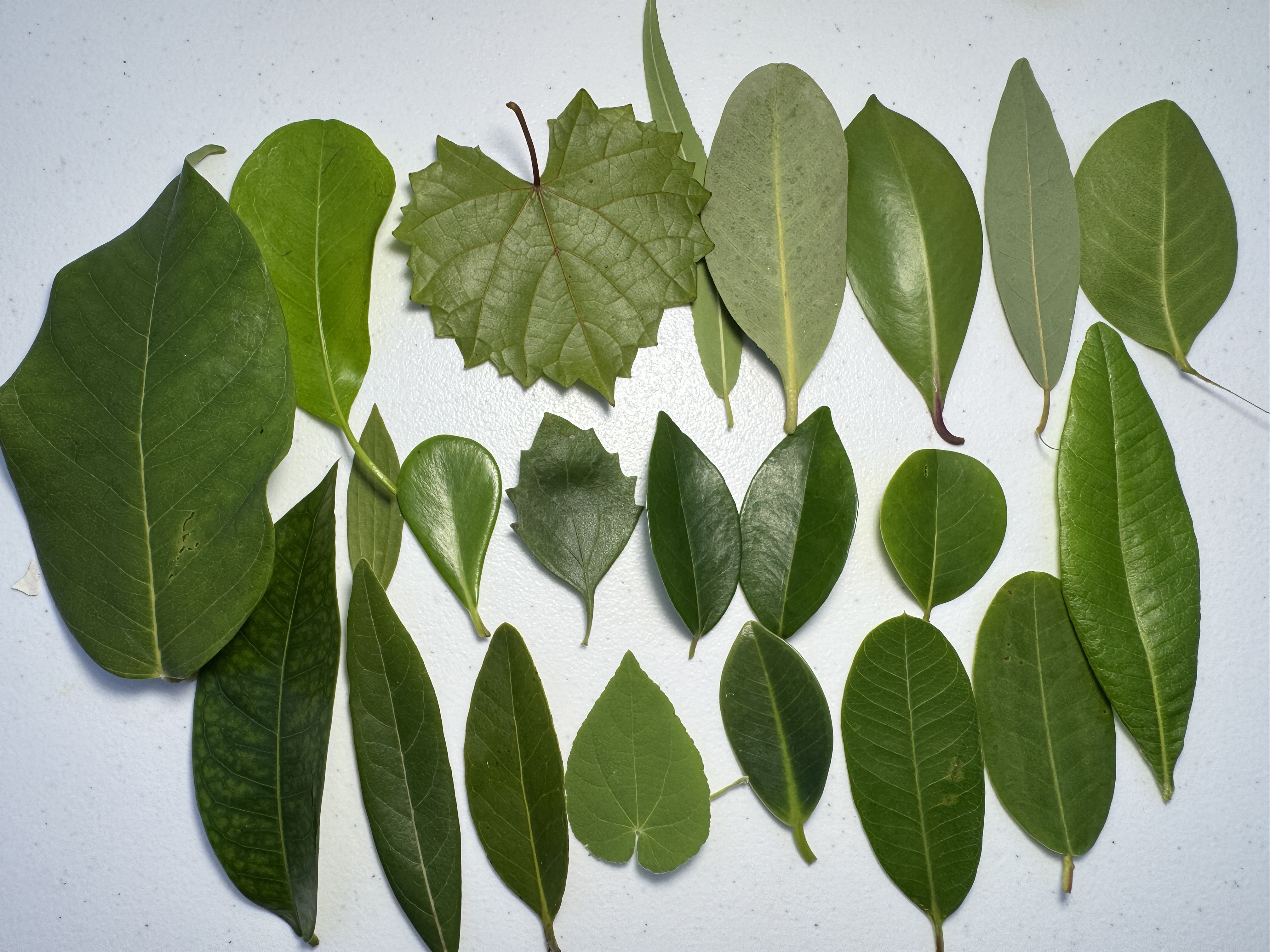
Après la fleur, apprenez à lire les feuilles : parties, formes, nervures, marges et diversité — l’organe qui capte l’énergie du soleil.
Commencer la leçon Feuille →