Root
The hidden half that decides everything.
The root is the hidden half of the plant. It does two vital things: it anchors the plant and it absorbs water and minerals through microscopic hairs. Its shape reveals a strategy: a taproot plunges deep to find water; fibrous roots weave a dense net near the surface. You never see it, yet it often decides whether the plant survives.
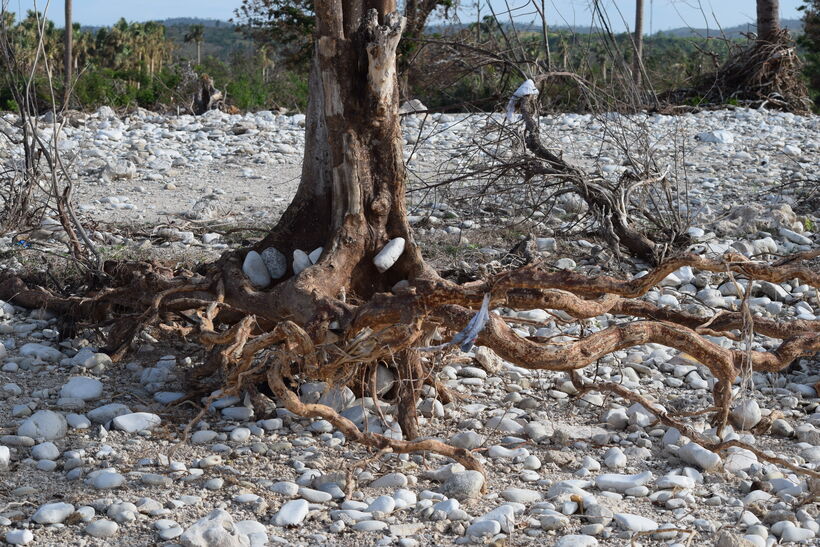
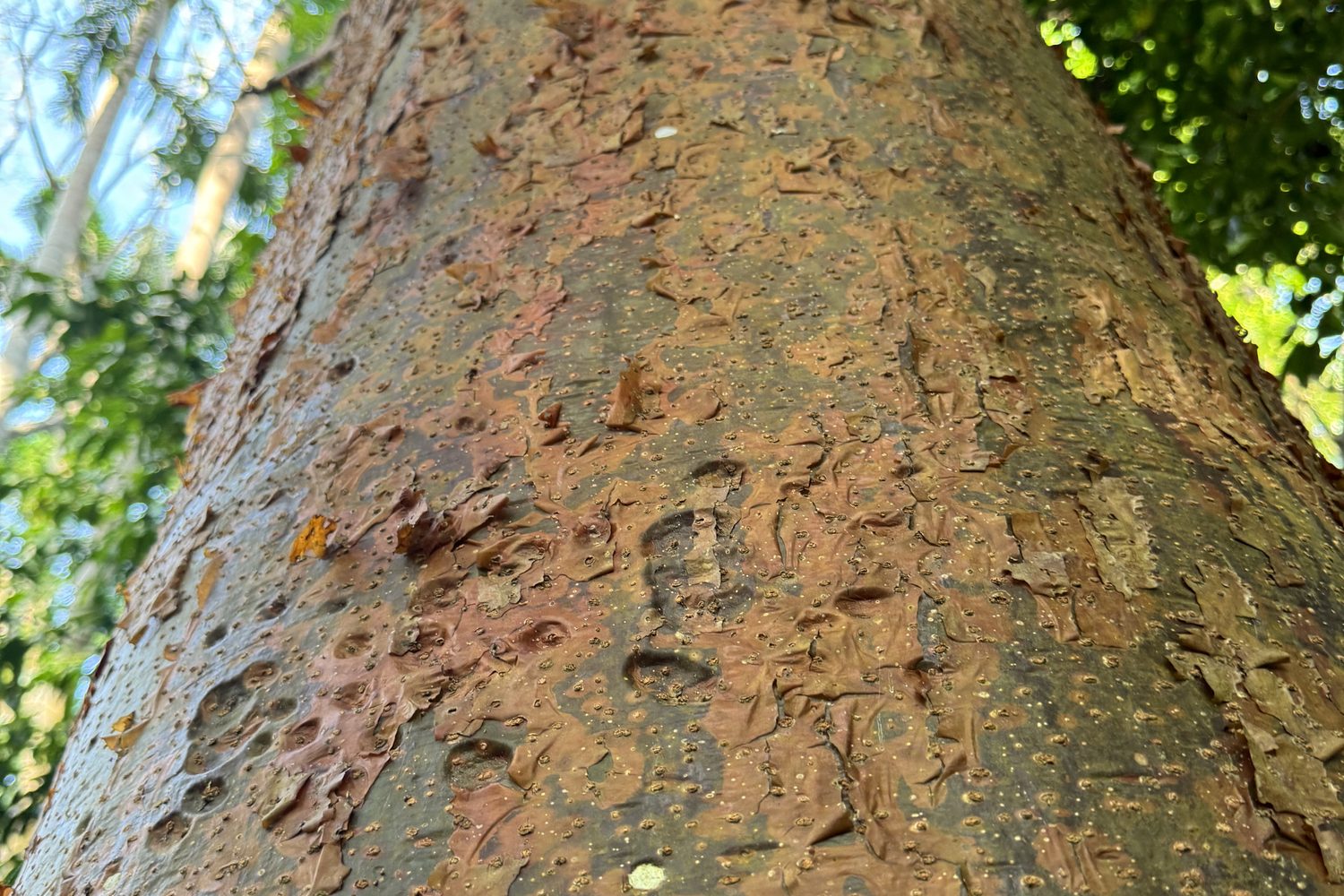
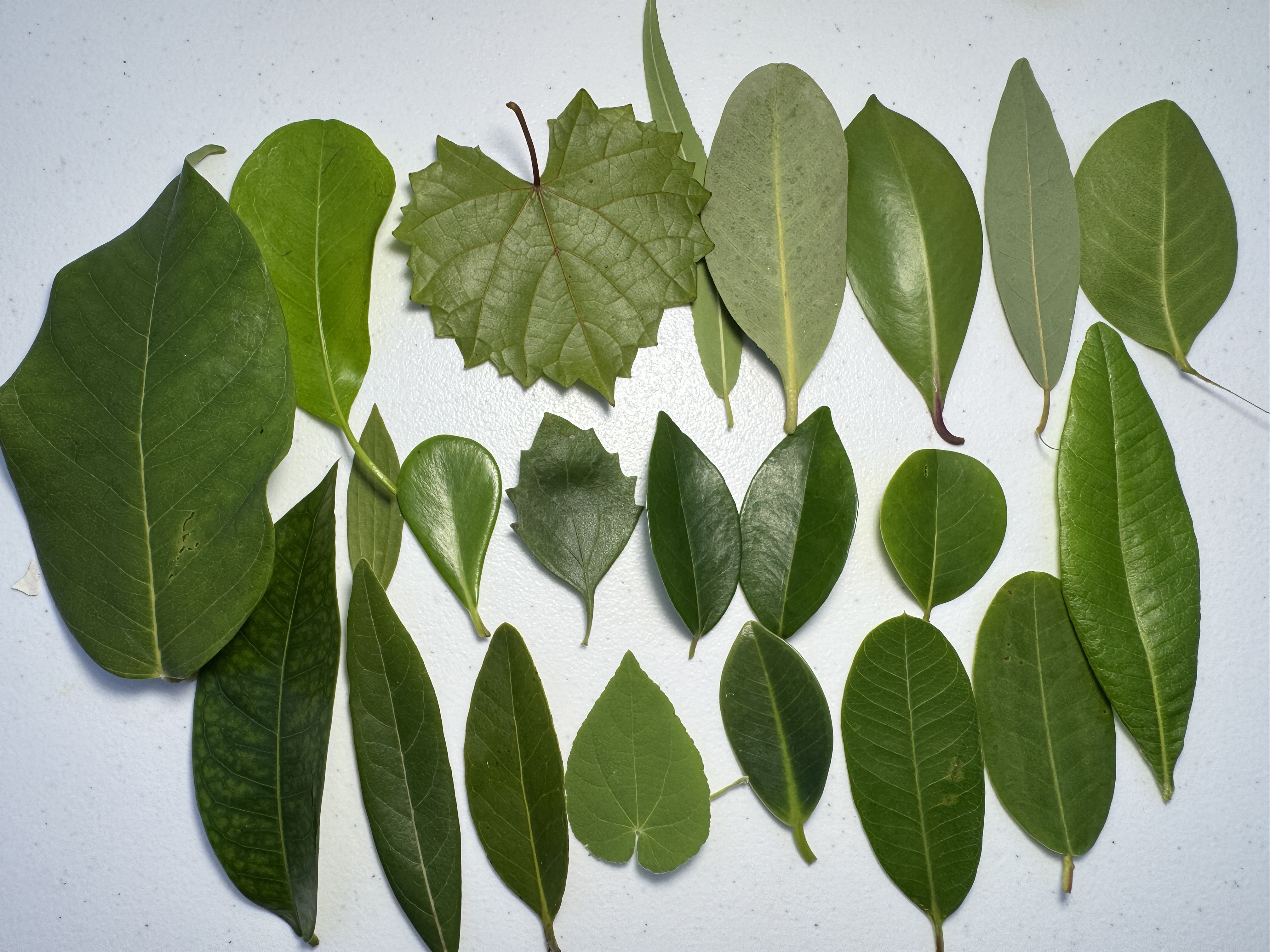
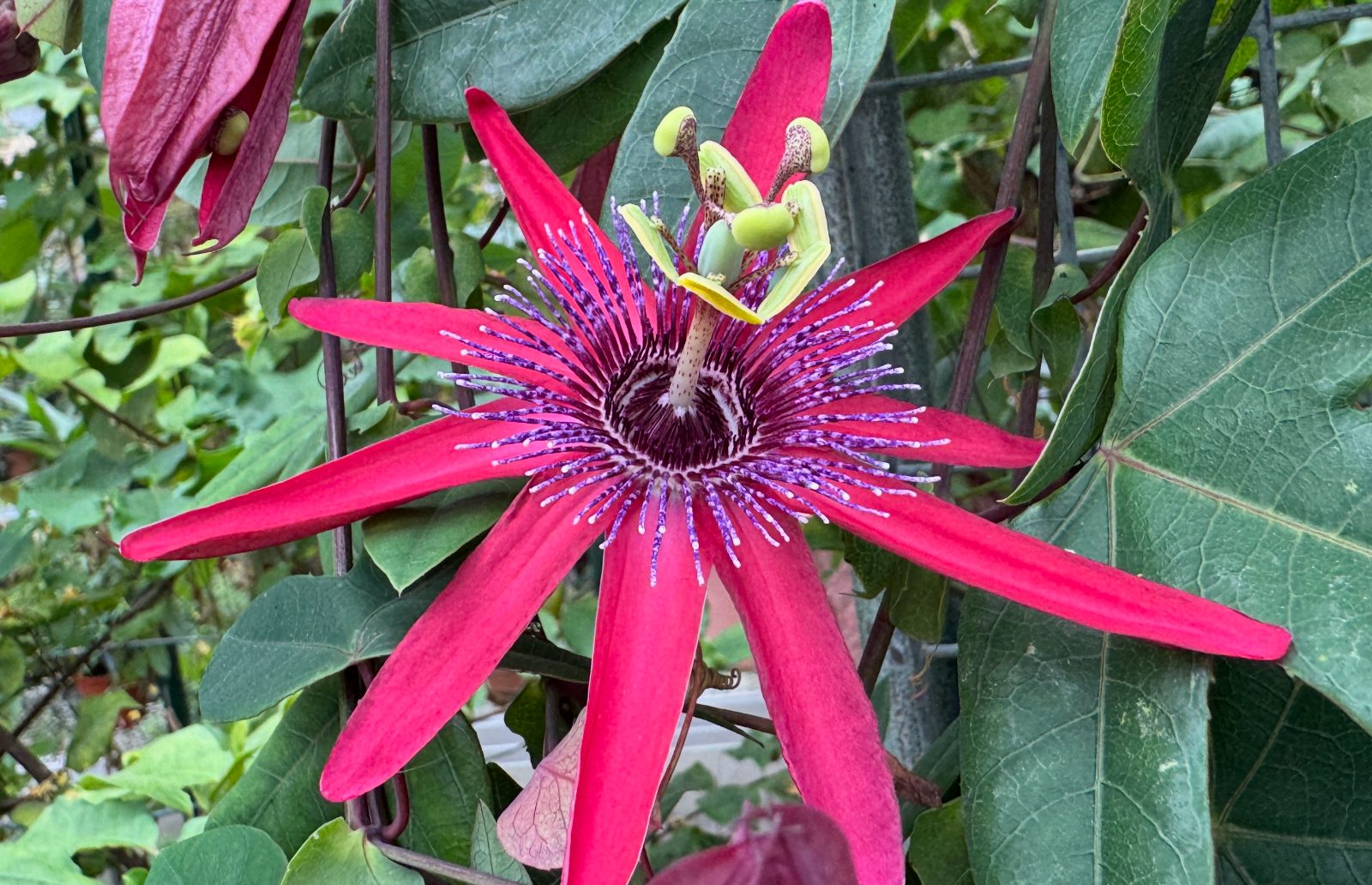
The diversity of the root
Browse the photos with the arrows. Click the image to open it fullscreen.
The forms and parts of the root
Each part has a role. Look at the photo, read its description — let the plant speak.
Taproot
Single main root that grows straight down and bears secondary roots (e.g. carrot).
Fibrous roots
A cluster of thin roots of similar size, with no dominant main root (e.g. grasses).
Adventitious roots
Roots that arise somewhere other than the main root: on a stem, a leaf or a node.
Rootlets
Fine branches of the roots that increase the absorbing surface.
Root hairs
Tiny extensions of the root epidermis cells that absorb water and mineral salts.
Root cap
Cap of cells that protects the root tip as it pushes through the soil.
Gently dig up a small plant (or look at a potted seedling). Does its root plunge straight down, or spread out? Post your photo.
- 01 Take a photo of the root and its parts.
- 02 Name what you see: Taproot, Fibrous roots, Adventitious roots.
- 03 Post your photo in the group and compare with the community.