Practical guide · Botapreneurs
7 plants to keep at home to survive a disaster
Nature-based solutions drawn from the medicinal traditions of Haiti and the Caribbean, to help you cope when access to medical care becomes impossible.
Introduction
When nature becomes our first line of defense
During the COVID-19 lockdown of 2020, after an earthquake, a hurricane, or in situations of severe insecurity, we may find ourselves completely unable to travel for medical care. In these critical moments, the diversity of medicinal plants around us becomes an invaluable resource for resilience. These are true nature-based solutions.
I have lived through such moments. I grew up in Haiti and was at the heart of the terrible 2010 earthquake. I have been through several hurricane seasons where everything is destroyed, often without warning, and where the healthcare system is completely paralyzed. These disasters happen all over the world. But nature has created its own solutions: it has placed around us a set of plants that we should know and protect to help us overcome these ordeals.
Having had the chance to grow up in the countryside and later pursued advanced studies in botany, ethnobotany and phytochemistry, I decided to share my experiences to help save lives and reduce suffering during disasters.
Based on my experience, I could offer you more than 25 plants. But today, I present only seven to begin simply.
The 7 plants
To know and to keep close by
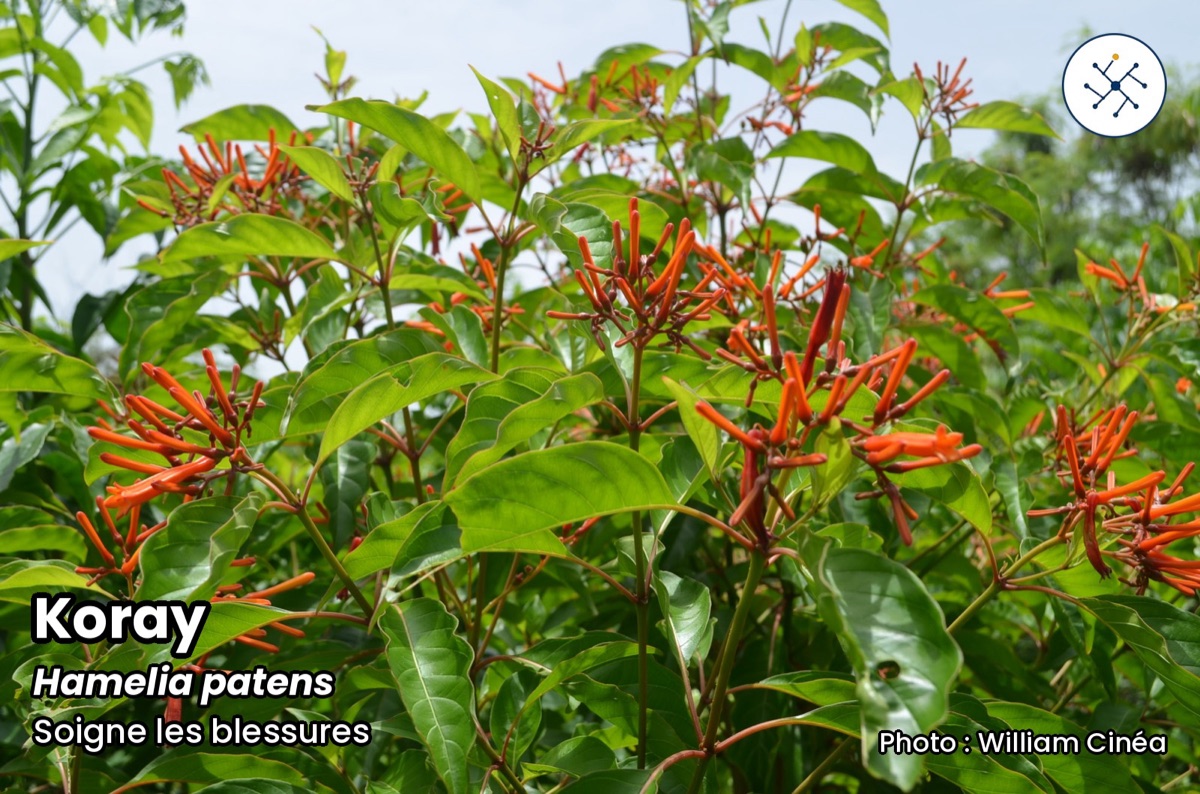
Koray
In Haiti, particularly in the Sud department, a common practice exists: when someone is injured in a garden, people traditionally take koray leaves, rub them with a little water and apply them directly to the wound. Although this practice deserves to be studied more deeply by science to validate the use, it is a true emergency plant deeply rooted in traditions — one to absolutely have close by.
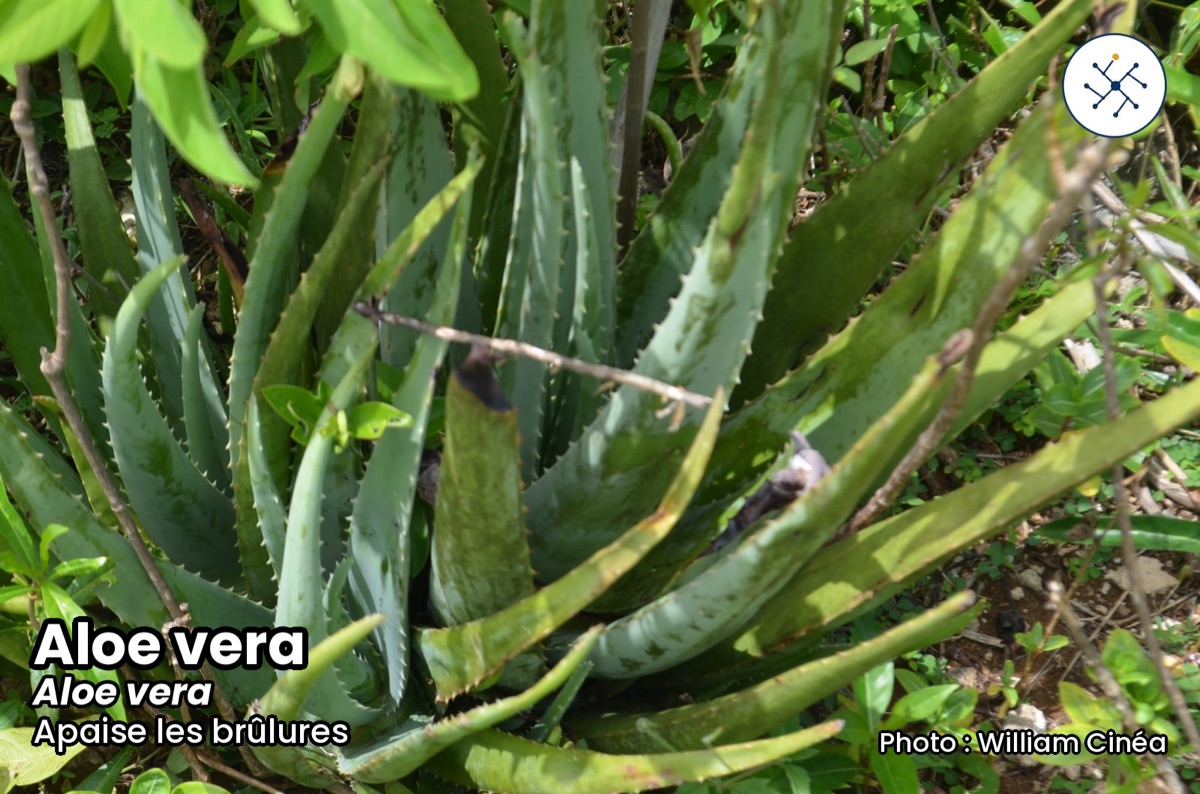
Aloe
Aloe vera is known worldwide for skincare, especially for burns. During a disaster, the risk of burns is high and access to care is almost impossible. Having an aloe plant at hand is a precious asset.
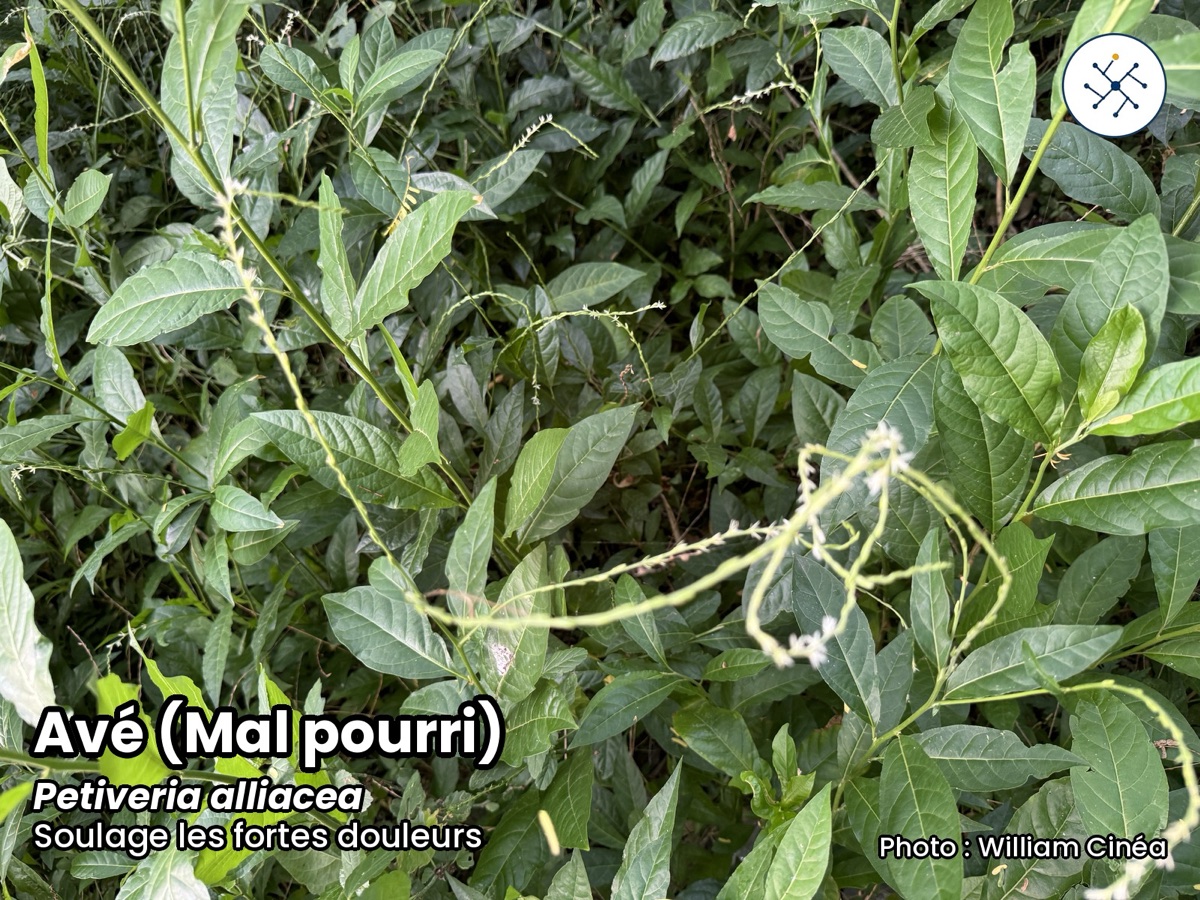
Avé / Guinea hen weed
This plant is traditionally used against pain. In disaster situations, physical pain is omnipresent. Petiveria alliacea is among the plants to which traditions turn to seek relief, and some scientific studies support this use.
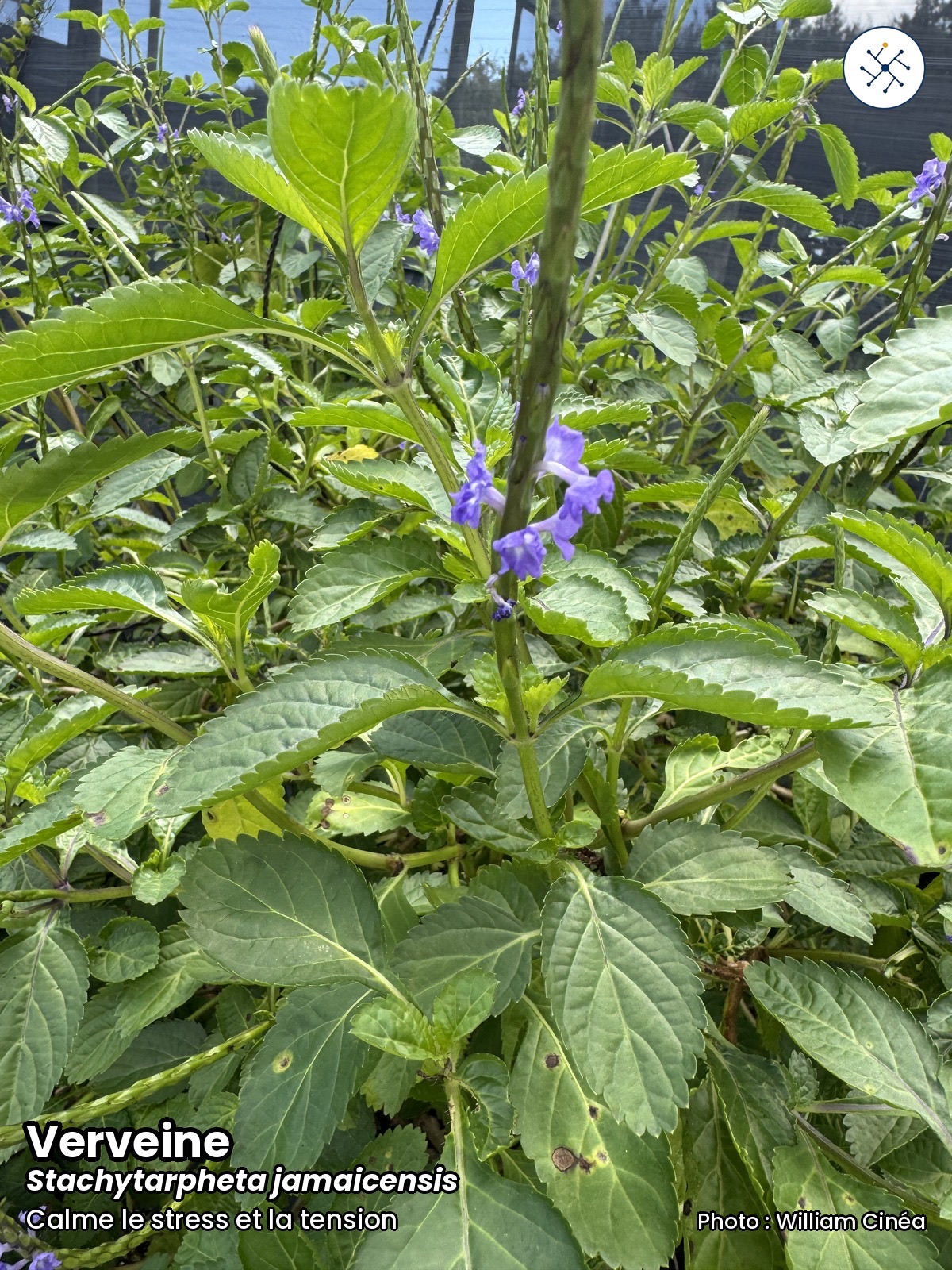
Blue porterweed (Verveine)
In Haiti, before announcing bad news that could deeply shock someone, tradition requires giving them a small verveine infusion first to calm them down. In situations of extreme tension and post-disaster shock, verveine is a true ally to soothe the nerves.
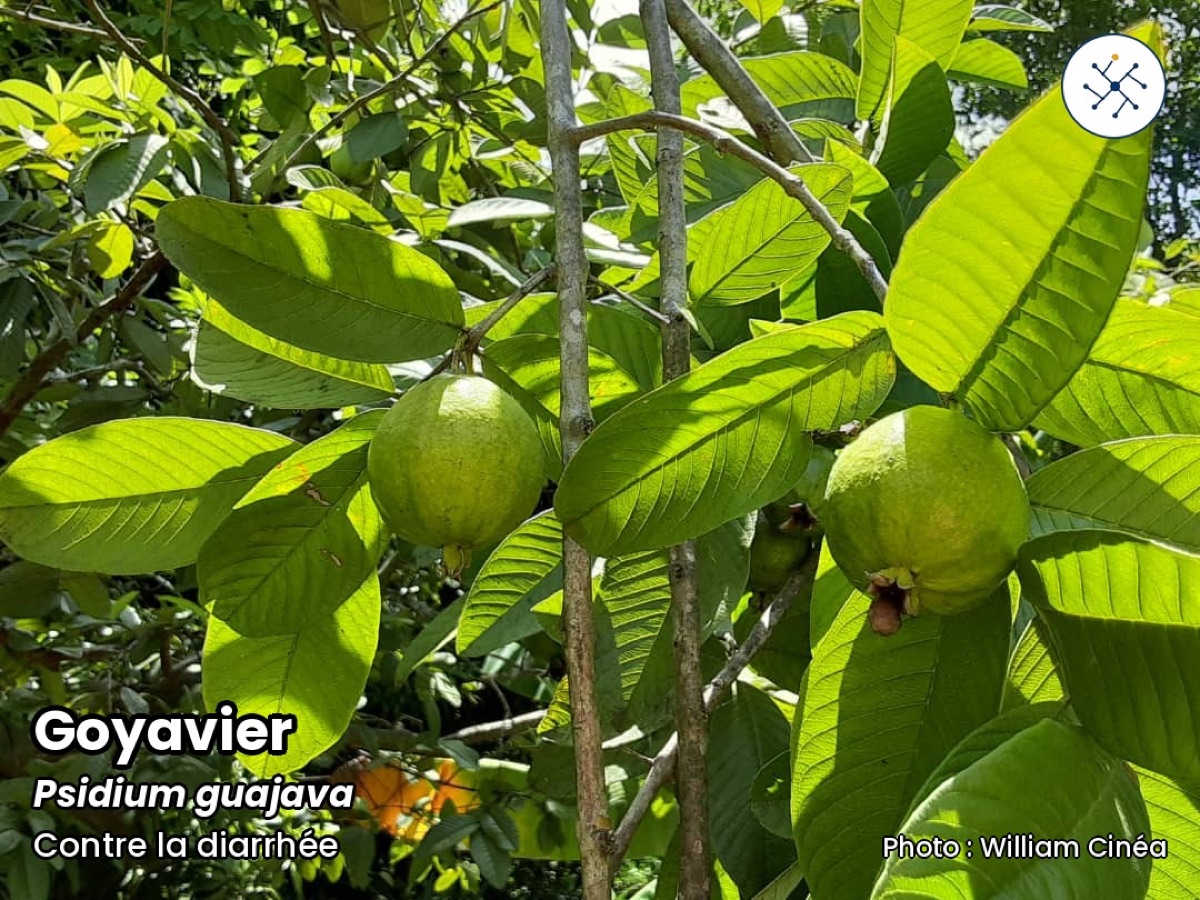
Guava
The lack of drinking water after hurricanes or an earthquake often causes gastric illnesses. Guava leaves and young fruits are traditionally very much used to help people suffering from diarrhea.
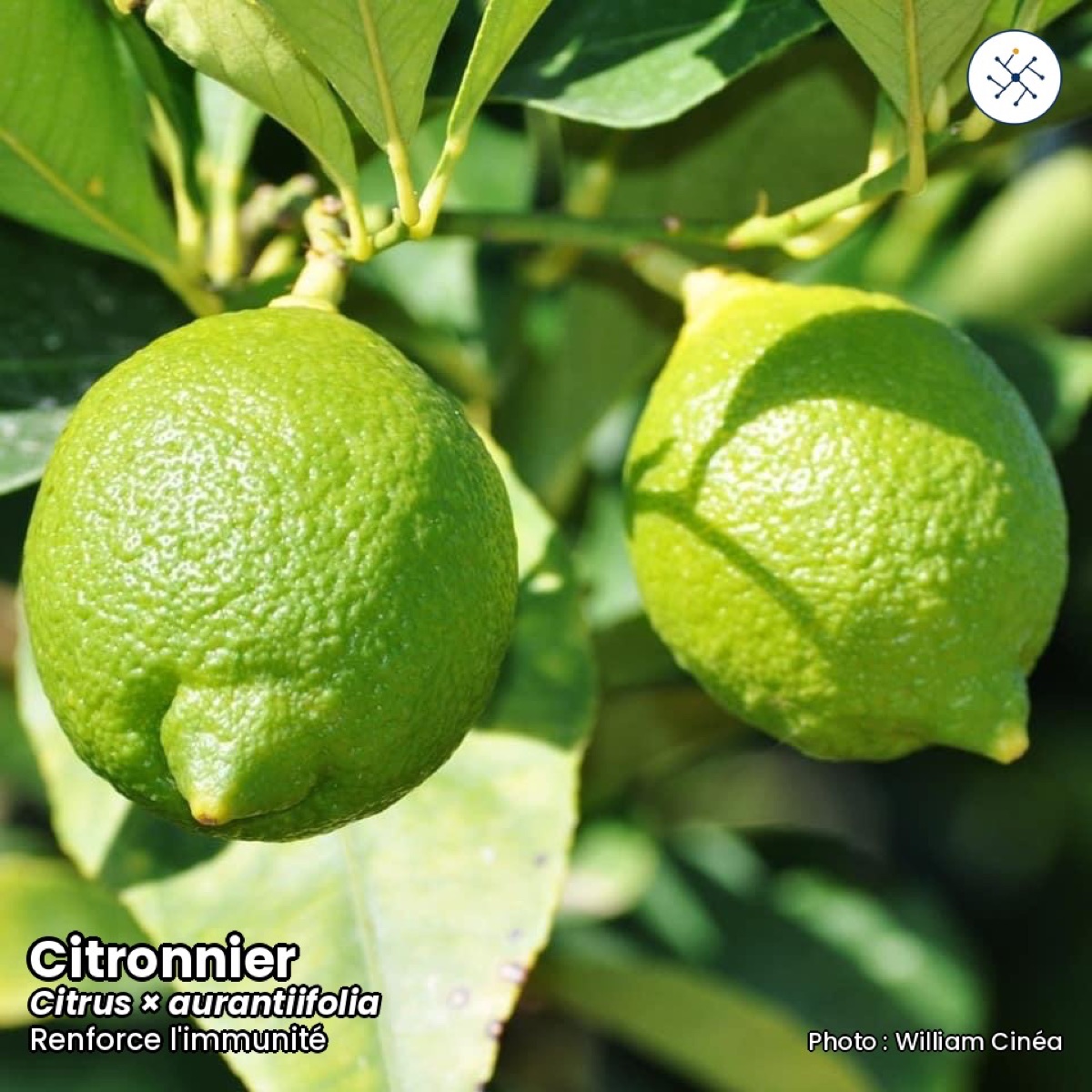
Lime tree
After disasters such as floods, your immune system is weakened and needs reinforcement. The fruit of the lime tree, particularly rich in vitamin C, can greatly help. Moreover, its leaves accompany many family practices to fight effectively against the flu and colds.
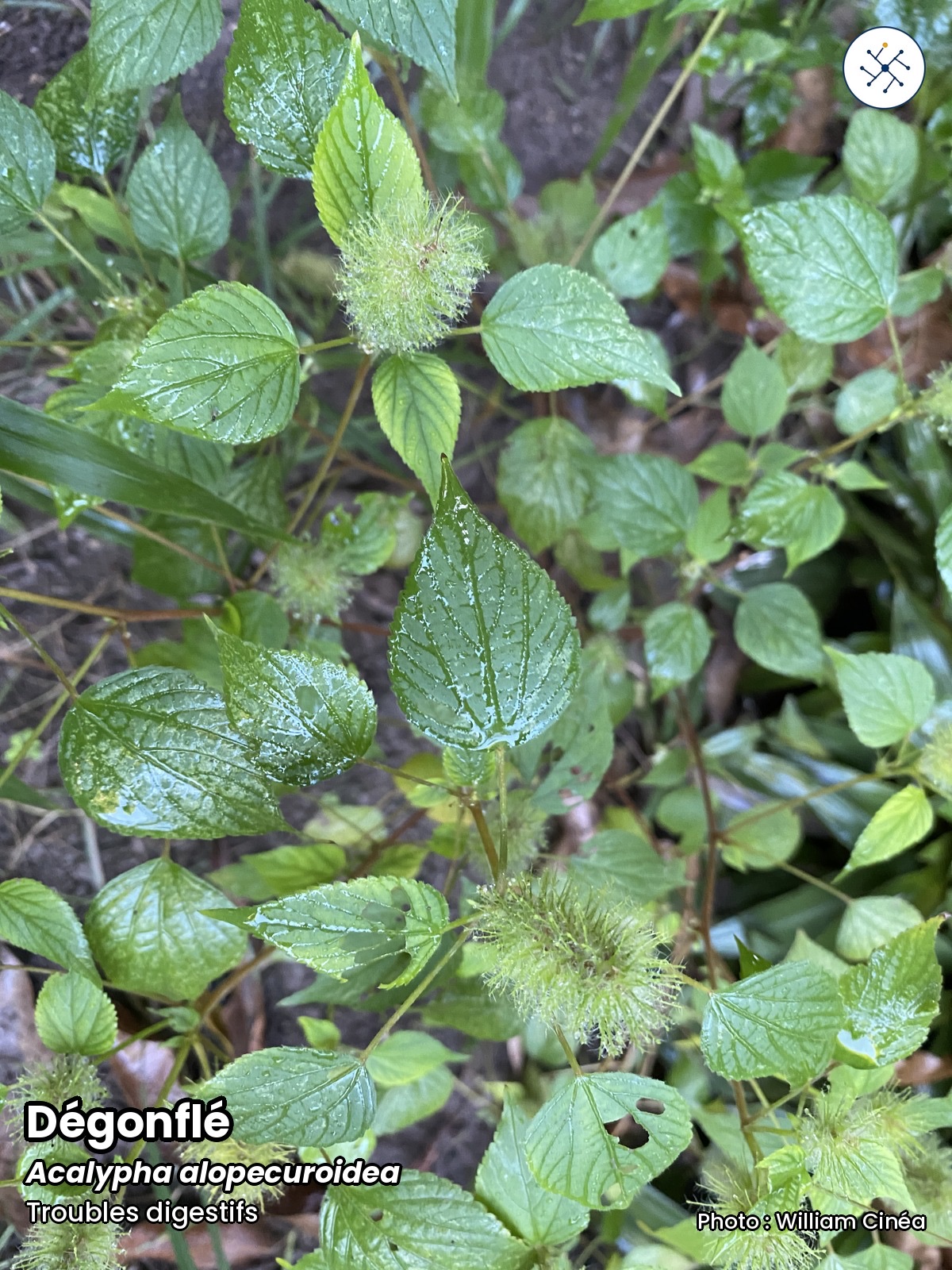
Dégonflé
Its local name indicates its use (dégonflé = « deflated », meaning to reduce bloating). In the Sud department, when someone suffers from poor digestion or gastric discomfort, people turn to the dégonflé. It is a small plant very useful to have close by to relieve these ailments.
Important. The information I share with you is not a medical prescription, but a starting point to encourage you to do your own research, to prepare, and to know how to use these plants. It is important to highlight that medicinal plants can have side effects and interactions; they should not be used constantly without need.
Join the conversation
I invite my friends from the Caribbean, the Americas, Africa, and everywhere around the world who follow us to share their experiences and knowledge, to learn and to make botany a living science. Follow our page and share our publications to contribute to education on plant use.
Receive the PDF guide
Enter your details to download the 7 survival plants guide immediately.