Taking a leaf bath — is it magic or phytotherapy? These traditions are often associated with mystical beliefs. Some of you may even feel a little embarrassed to say you have taken one. Yet behind these practices lies a real science.
In my childhood, after a tiring trip or a hard illness, my mother used to prepare a special bath for us. She gathered a mixture of leaves: lime, bois pélé, soursop, Piper and Trichilia. She placed these leaves in a basin of water left in the sun for one to two hours, between 10 a.m. and 12 p.m. Before bathing me, she rubbed the leaves in the water to pass it over my head, then used them to rub my body, without even using soap. Afterwards, I often felt immediately revived and soothed. At the time, I did not question the reason for this bath or the sun exposure.
Today, as a botanist and plant scientist, the study of the plant world has become my passion — on the ethnobotanical, ecological and phytochemical levels. Inspired by the work of Jean-Marie Pelt, pharmacist, botanist and ecologist, I began to analyze these practices through the lens of science to better understand my mother’s gestures.
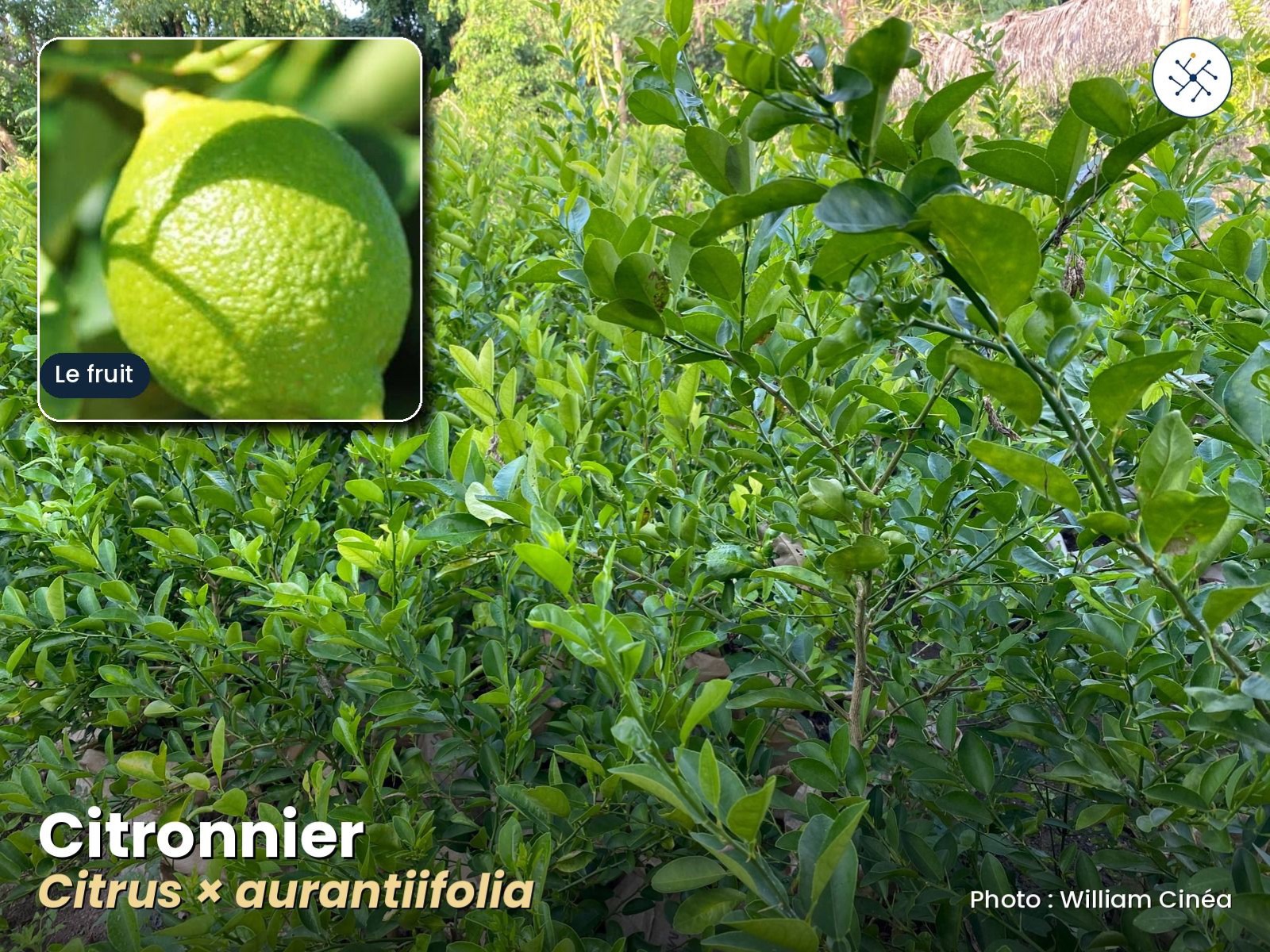
1. Lime tree (Citrus aurantiifolia)
Its leaves are rich in essential oils, especially limonene and citral, terpenes with antimicrobial and insect-repellent properties that help cleanse the water.
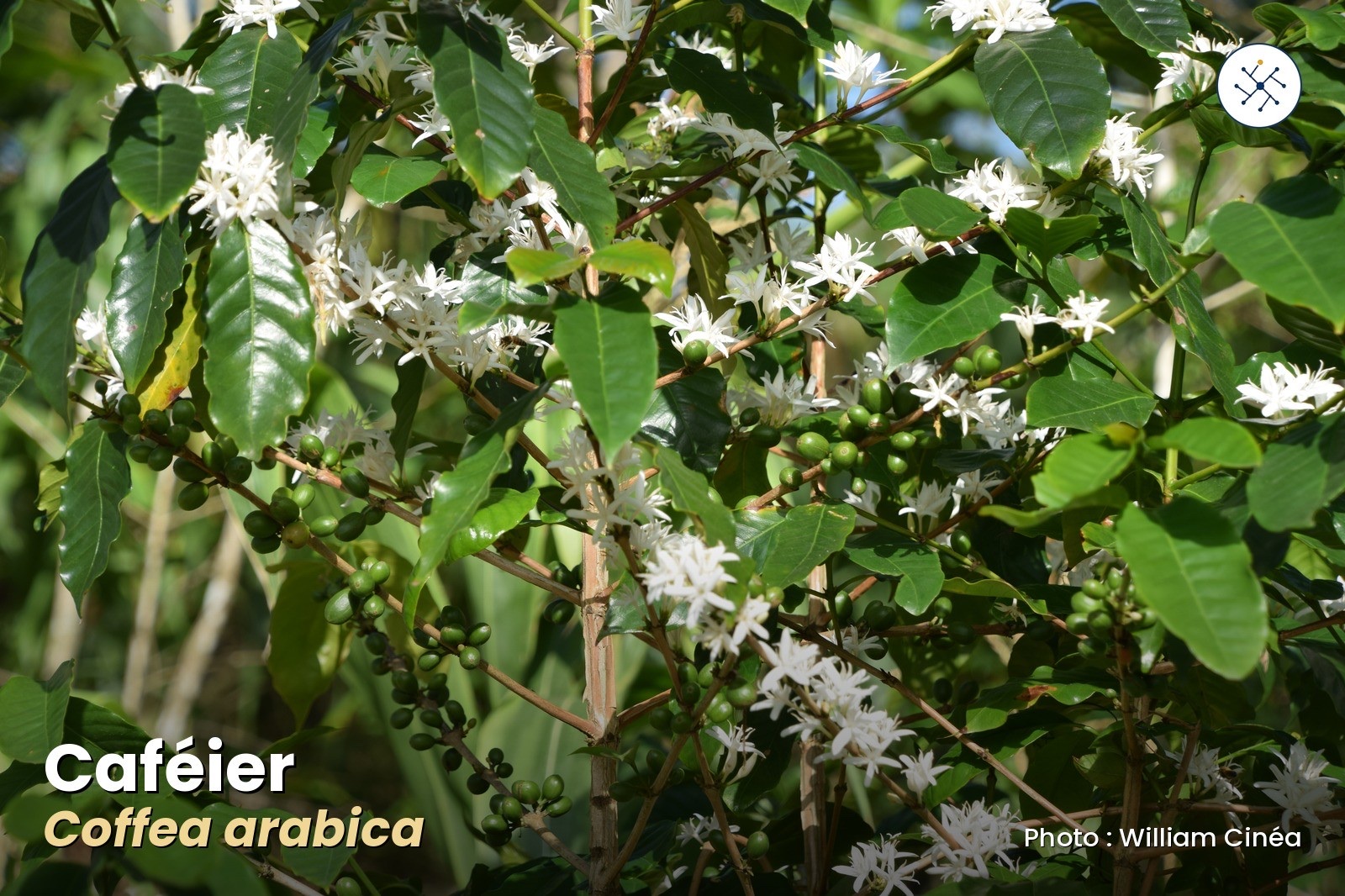
2. Coffee tree (Coffea arabica)
Its leaves contain caffeine, an alkaloid present in the leaves and not only in the beans, with stimulating and antimicrobial effects.
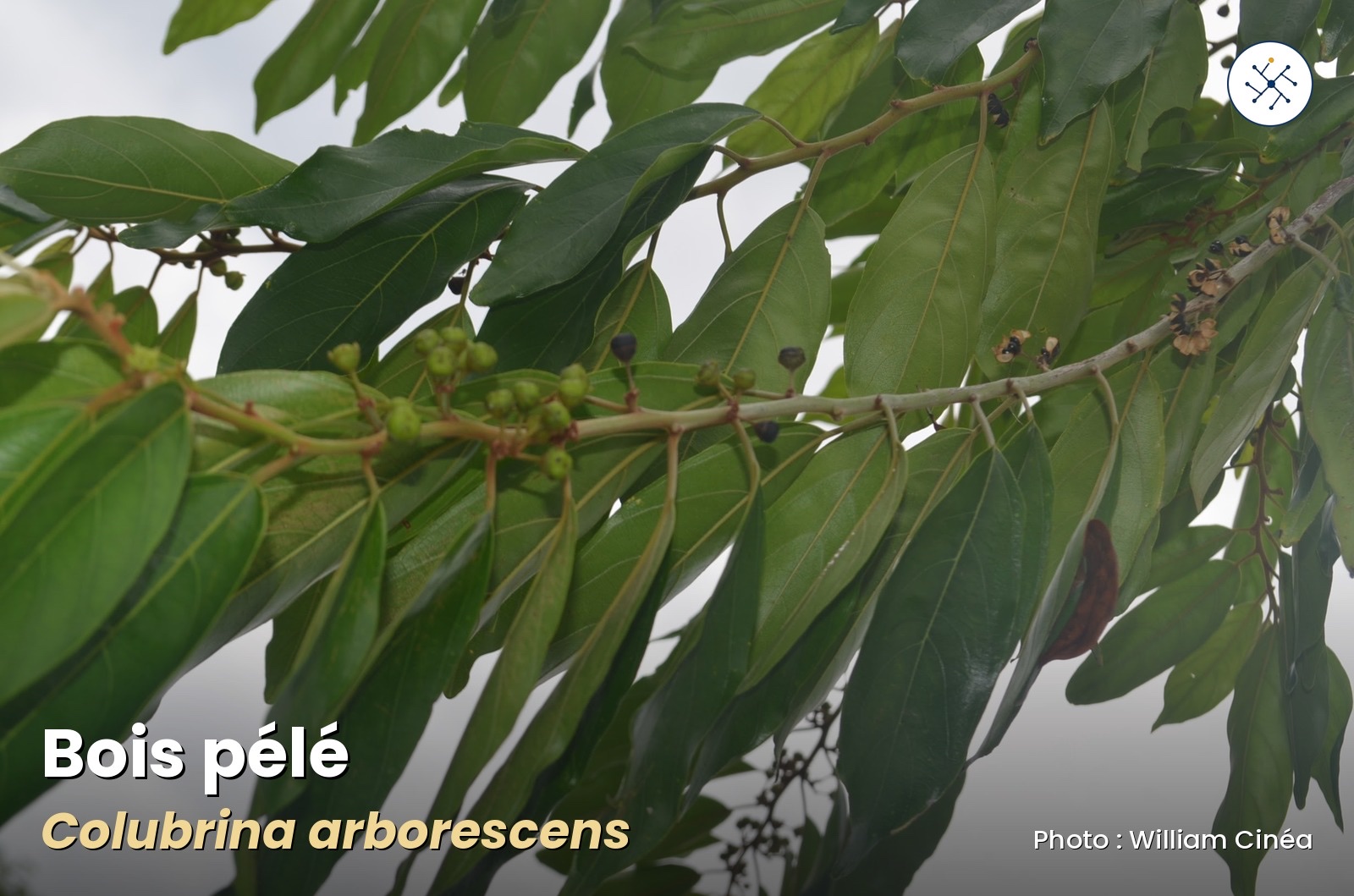
3. Bois pélé (Colubrina arborescens)
It contains saponins, foaming molecules that act as a natural cleanser and facilitate the passage of other active compounds through the skin.
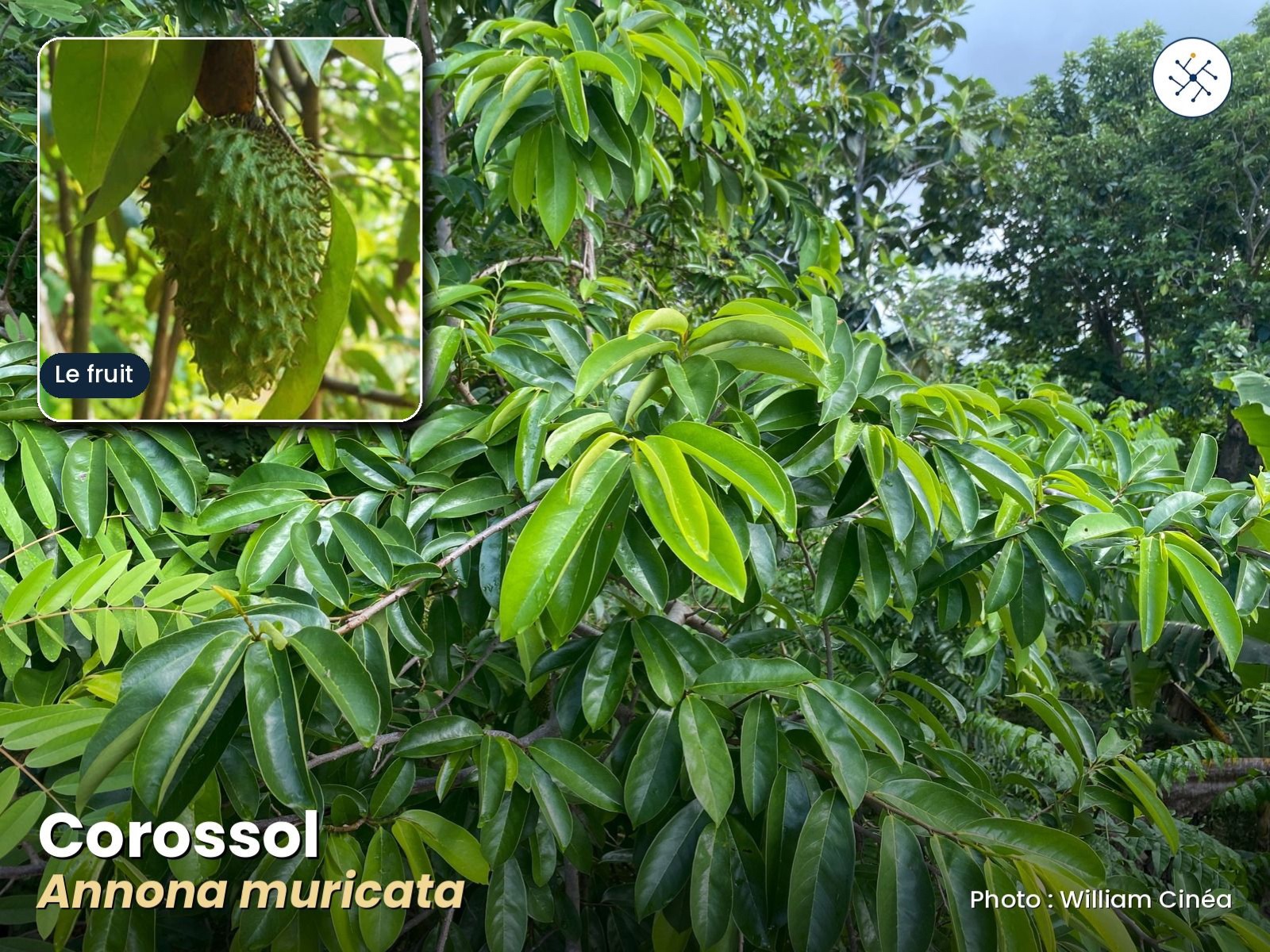
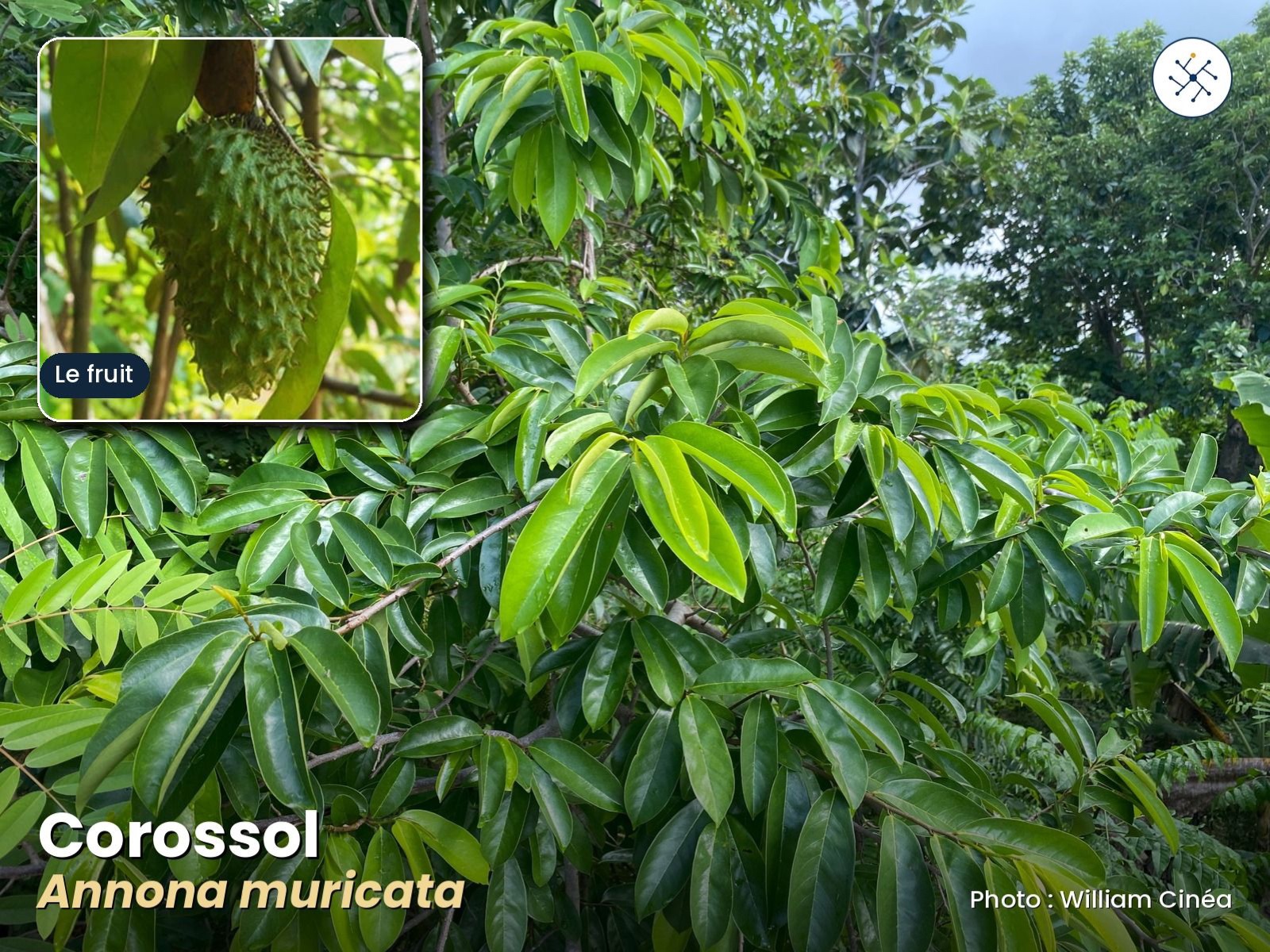
4. Soursop (Annona muricata)
Its leaves contain acetogenins and alkaloids, and are traditionally used for their soothing effect, helping the body regain its balance.
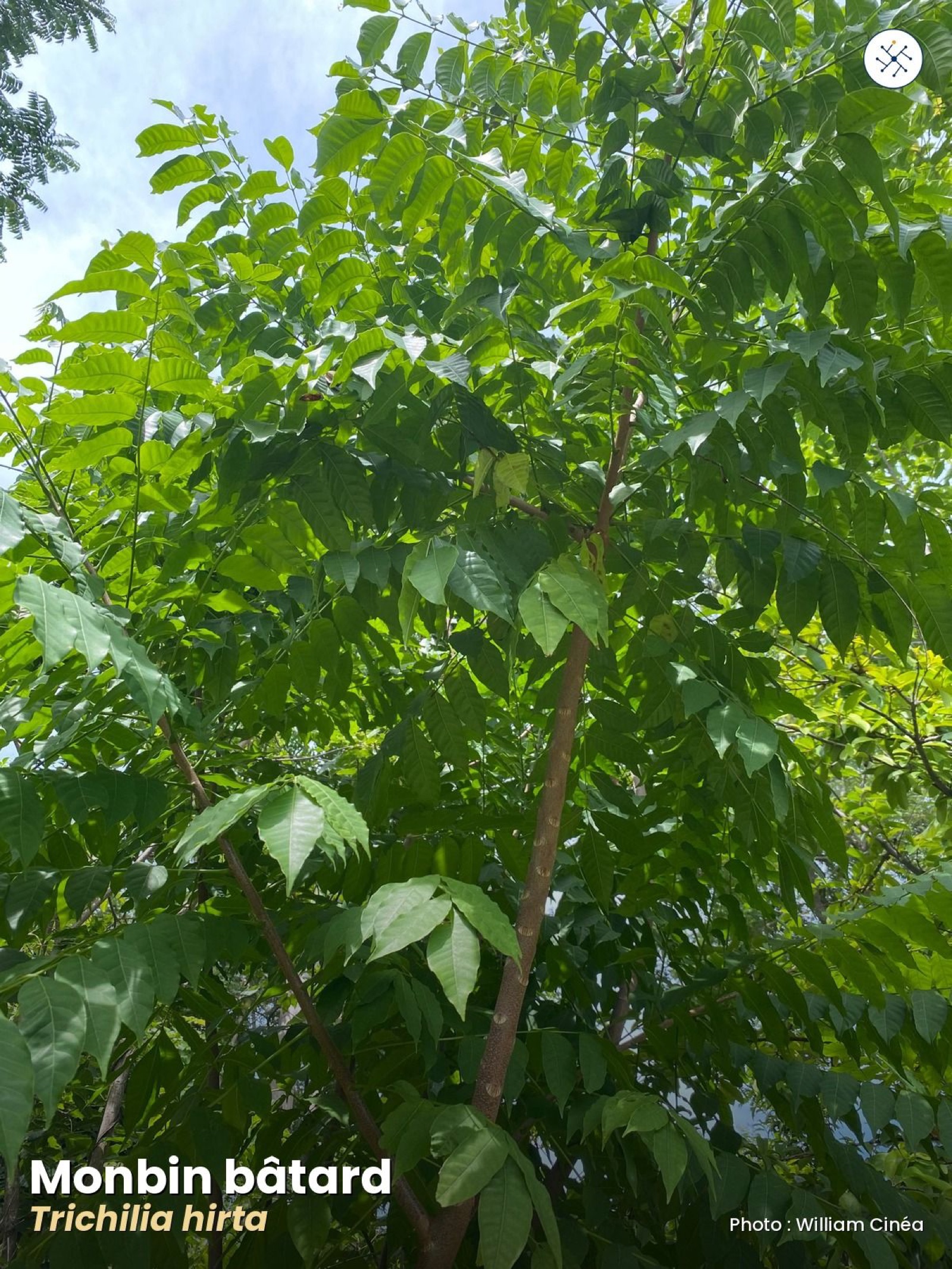
5. Monbin bâtard (Trichilia hirta)
From the Meliaceae family, its leaves are rich in limonoids, bitter compounds with insecticidal and antimicrobial properties, capable of acting on various pathogens on the body’s surface.
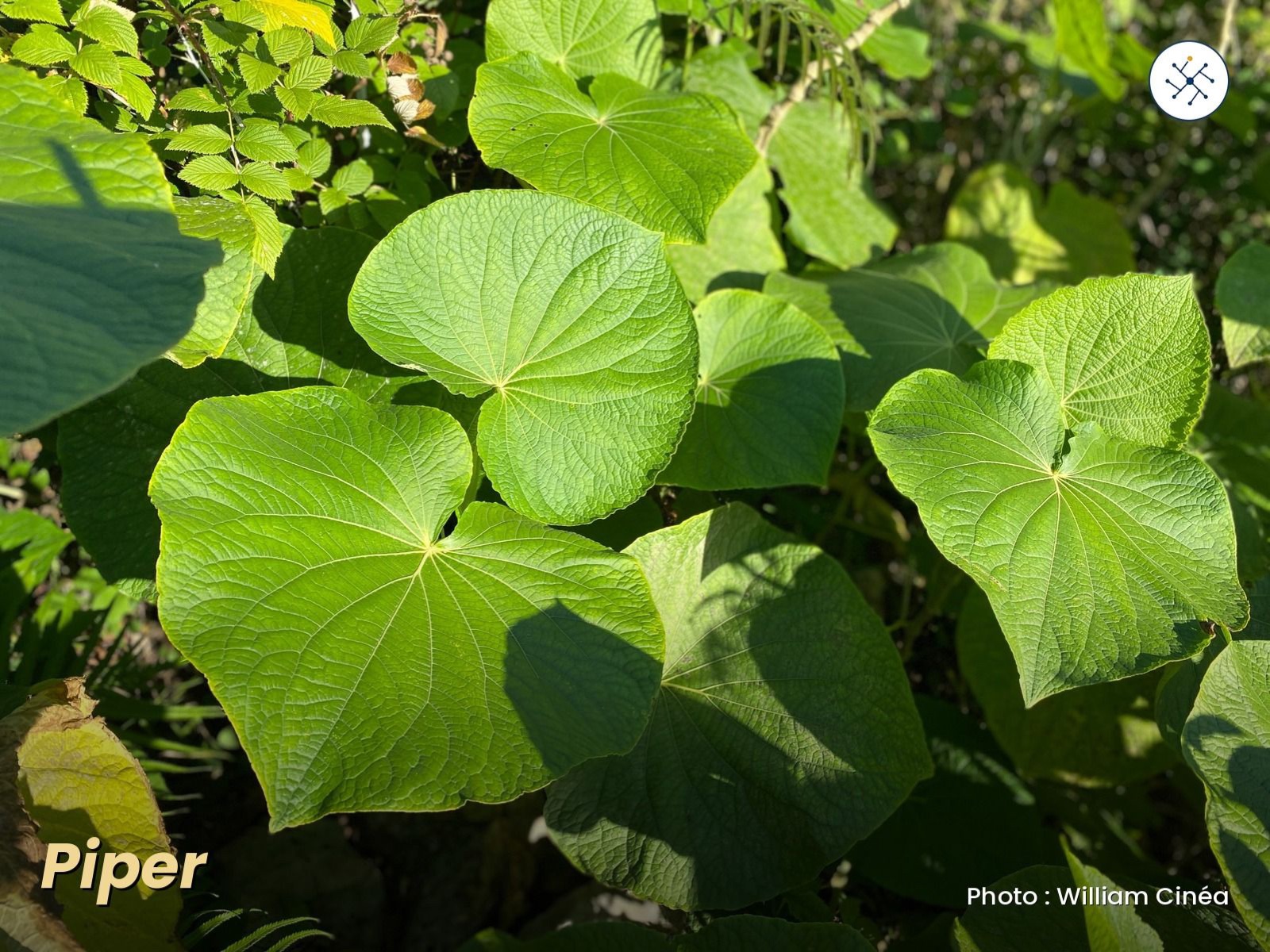
6. Tisiro (Piper)
Its aromatic leaves contain essential oils and piperine, an alkaloid, and release fragrances that soothe and clarify the mind.
The method
Gently heating the water in the sun preserves the aromatic fragrances of the leaves, while rubbing them in the water mechanically releases their molecules and benefits.
Analyzing these baths from an ethnobotanical and phytochemical perspective, I understood that they are a mixture of hundreds of molecules — alkaloids, saponins, terpenes and bitter compounds — capable of acting together. What seemed magical was in fact based on very real plant chemistry.
A field of research to open
These experiences and ethnobotanical data are fundamental for advancing science. I see here valuable avenues of research to encourage young people to pursue bachelor’s, master’s and doctoral degrees in phytochemistry and ecology, in order to bring solutions to some of society’s great challenges.
That is why it is important to make botany simpler and accessible to all, and to lift the taboos that suggest the use of plants for baths belongs to magic. These are above all nature-based solutions to help local populations. We must also rely on science to avoid certain misuses. Resources such as the journal Ethnobotany make it possible to disseminate this research and shed light on our traditional practices.
At the School of Botany, we encourage the study of plants to better document, valorize, conserve and use them. Follow and share our publications to contribute to plant education!
#Botany #Ethnobotany #MedicinalPlants #Phytochemistry #Biocultural #Haiti #TraditionalKnowledge #PlantScience #Botapreneurs