By William Cinéa — Founder of Botapreneurs, creator of the Plant Mastery program.
Whether you are a botanist, a conservationist, or a professional in natural medicine, nutrition, landscaping or forestry, the Rutaceae family matters to you.
In botany, studying plant families helps you connect different genera and species. It develops a systematic way of thinking that allows you to recognize morphological patterns, anticipate possible chemical and biochemical molecules, and understand reproductive strategies. Too often, botany education emphasizes the memorization of isolated species, which discourages learners and prevents them from developing a true passion for this beautiful science.
Diversity of the family
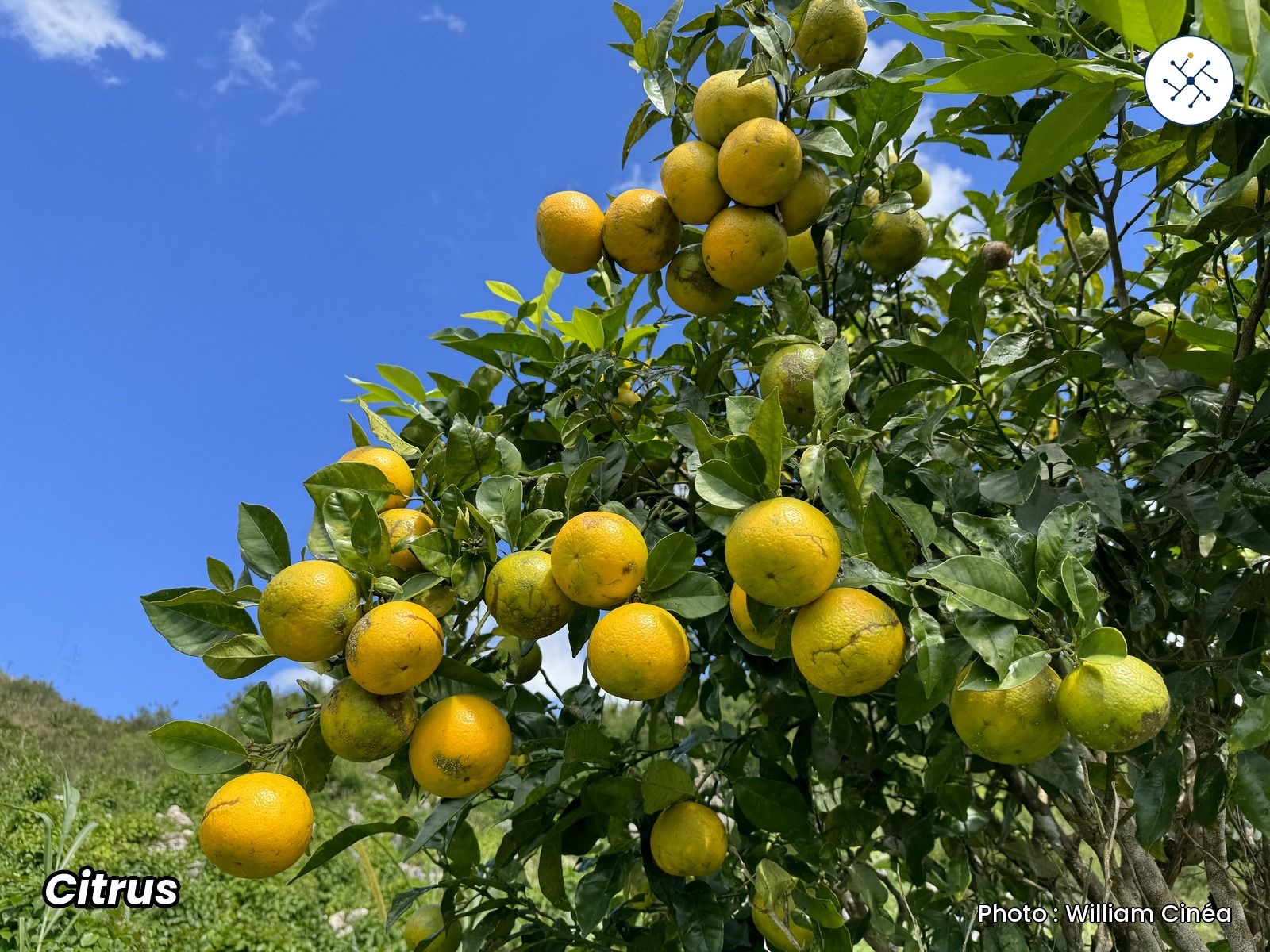
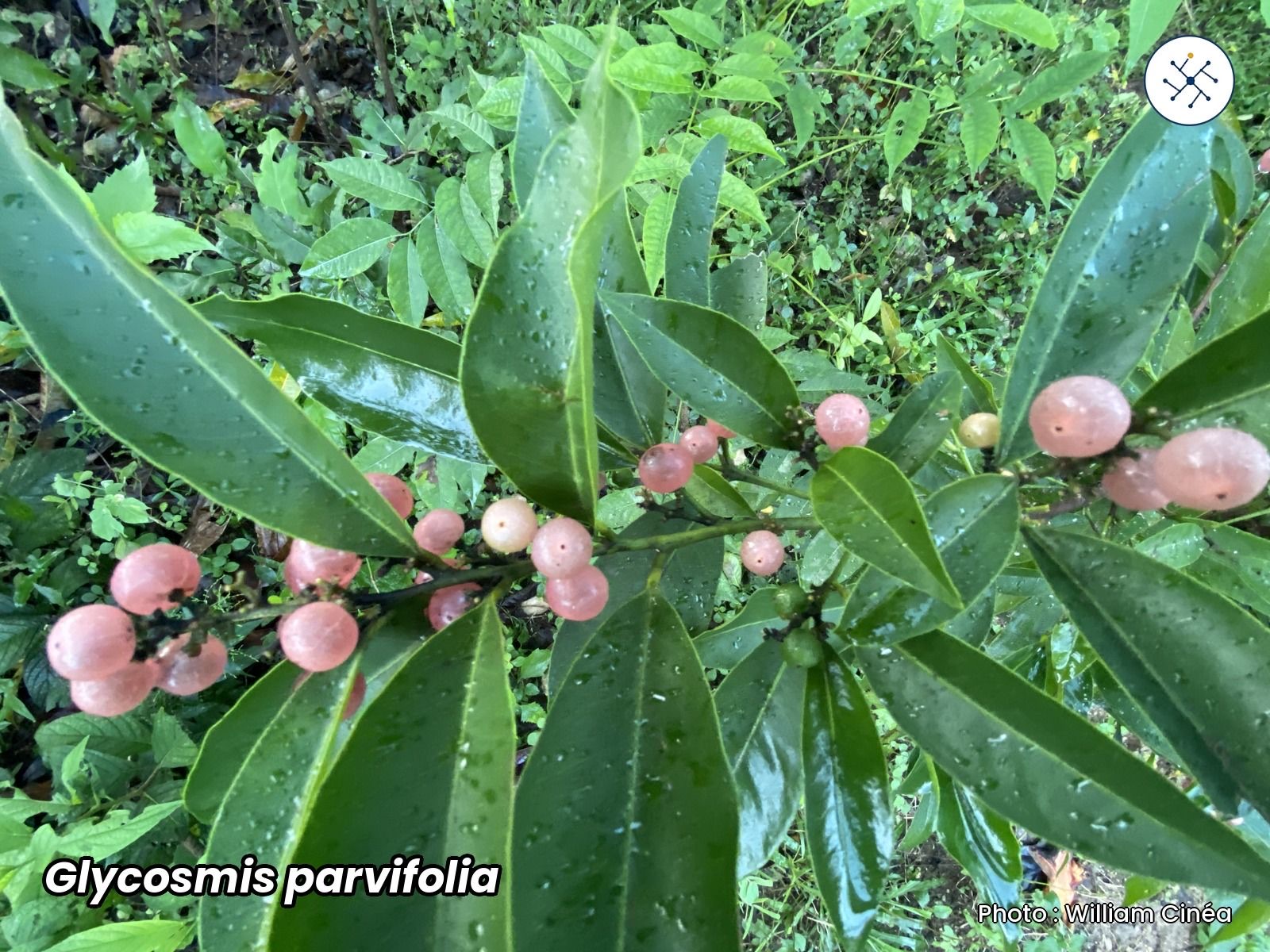
For the general public, the name Rutaceae evokes almost exclusively the citrus fruits of the Citrus genus (oranges, lemons, grapefruits). Yet this family holds a remarkable diversity of species to document, conserve and valorize on an international scale. The family comprises about 161 genera and nearly 2,100 species worldwide, including major genera such as Citrus, Zanthoxylum, Amyris, Murraya, Casimiroa and Ruta.
Characteristics and defense strategies
The morphological traits of this family are intimately tied to its survival strategies. To protect themselves from herbivores, insect predators and pathogens, the Rutaceae have developed a defense arsenal of remarkable sophistication.
Mechanically, many species bear axillary thorns (as in Citrus) or cortical prickles on their trunks and branches (as in Zanthoxylum).
Biochemically and sensorially, the family’s hallmark lies in its leaves. Held against the light, one can see tiny translucent glands called secretory pockets. These cavities are filled with volatile aromatic essential oils. When the plant is crushed or attacked, these oils are released and act as repellents. Added to this are bitter secondary metabolites (limonoids), alkaloids and coumarins that discourage consumption by wildlife.
From plant defense to human use
What the plant has developed to ensure its own survival — its physical and chemical features — becomes precisely the resource valued across our professions.
In natural medicine and phytotherapy
The alkaloids and essential oils contained in the secretory pockets make the Rutaceae a major resource. The leaves of the Citrus genus, the fruit peels (zests), and rue (Ruta graveolens) are the main parts used in phytotherapy for their antiseptic and tonic properties, among many other therapeutic uses worldwide. The Zanthoxylum genus is also rich in analgesic bioactive compounds, with some species known as the “toothache tree”.
In nutrition
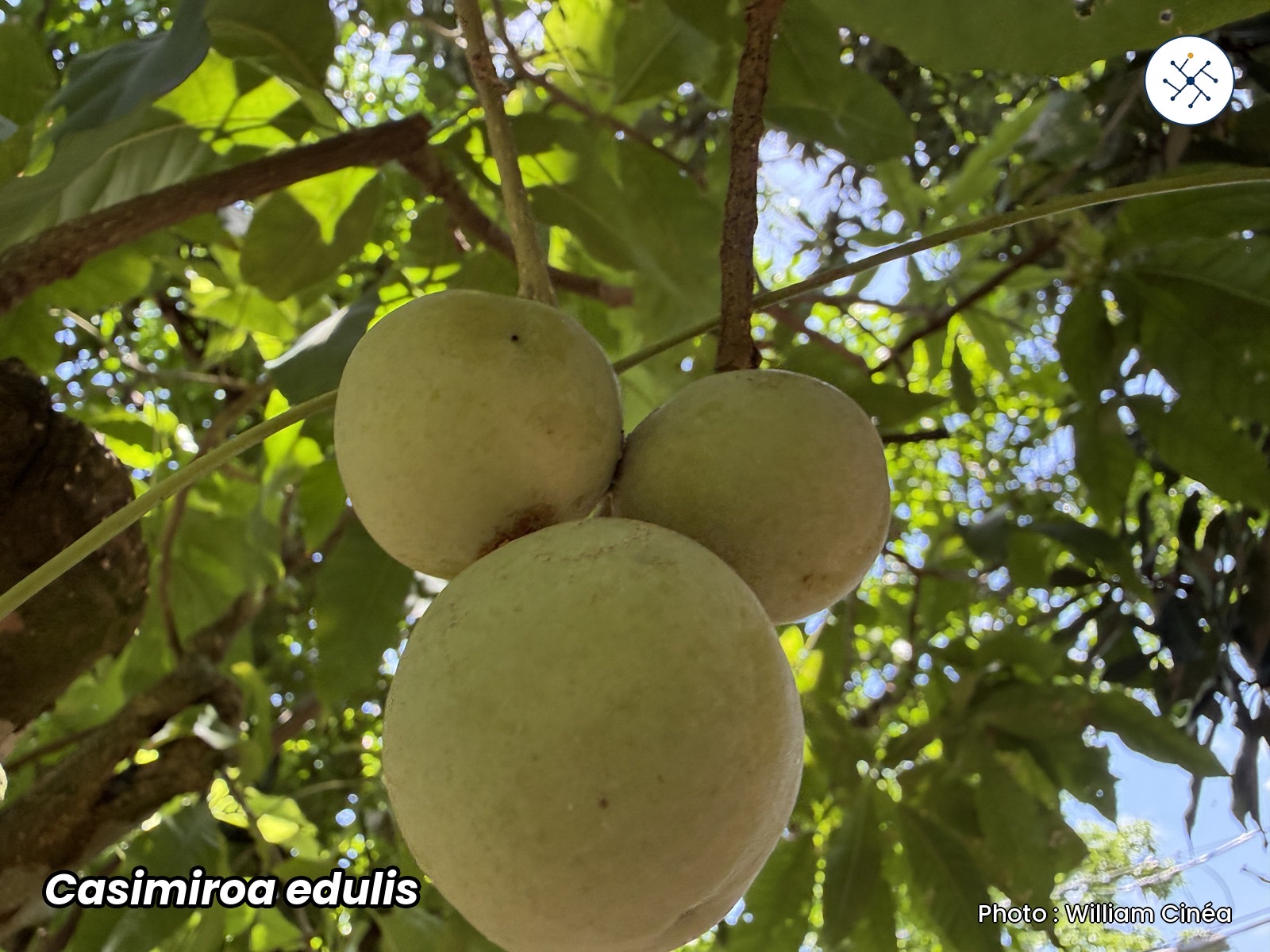
The fruits of this family are nutritional cornerstones. The Citrus genus — oranges (Citrus sinensis), lemons (Citrus limon) — is globally renowned for its massive supply of vitamin C and essential antioxidants. Other genera broaden this contribution, such as Casimiroa (including the white sapote, Casimiroa edulis), which offers highly nutritious edible fruits.
In perfumery and cosmetics
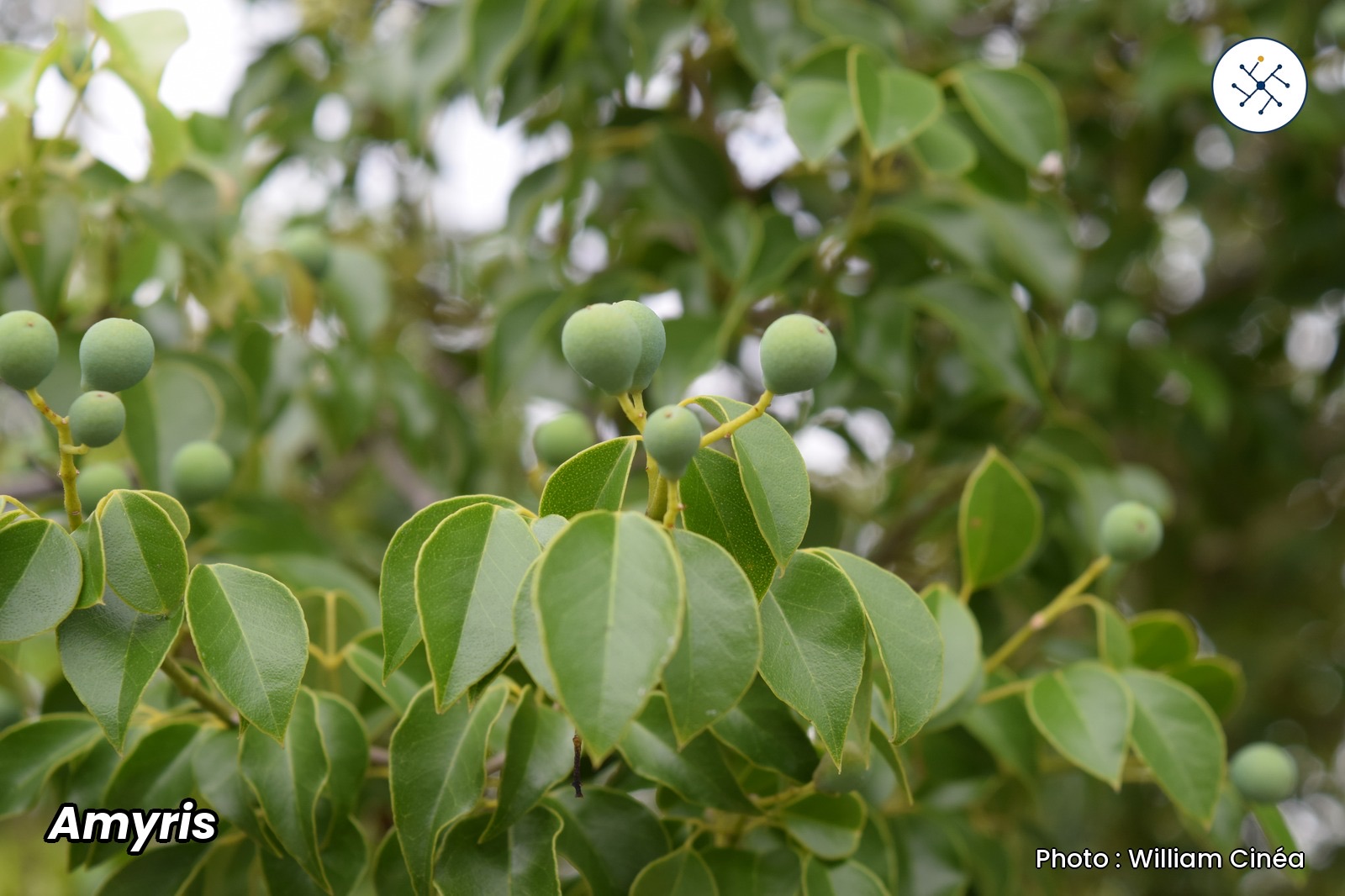
The highly concentrated volatile essences of these plants are in strong demand by industry. Specific Citrus such as bergamot (Citrus bergamia) supply luxury essential oils. Likewise, the resinous compounds of species in the Amyris genus — such as the candlewood (Amyris balsamifera) — are extracted directly and widely used by perfumers worldwide.
In landscaping
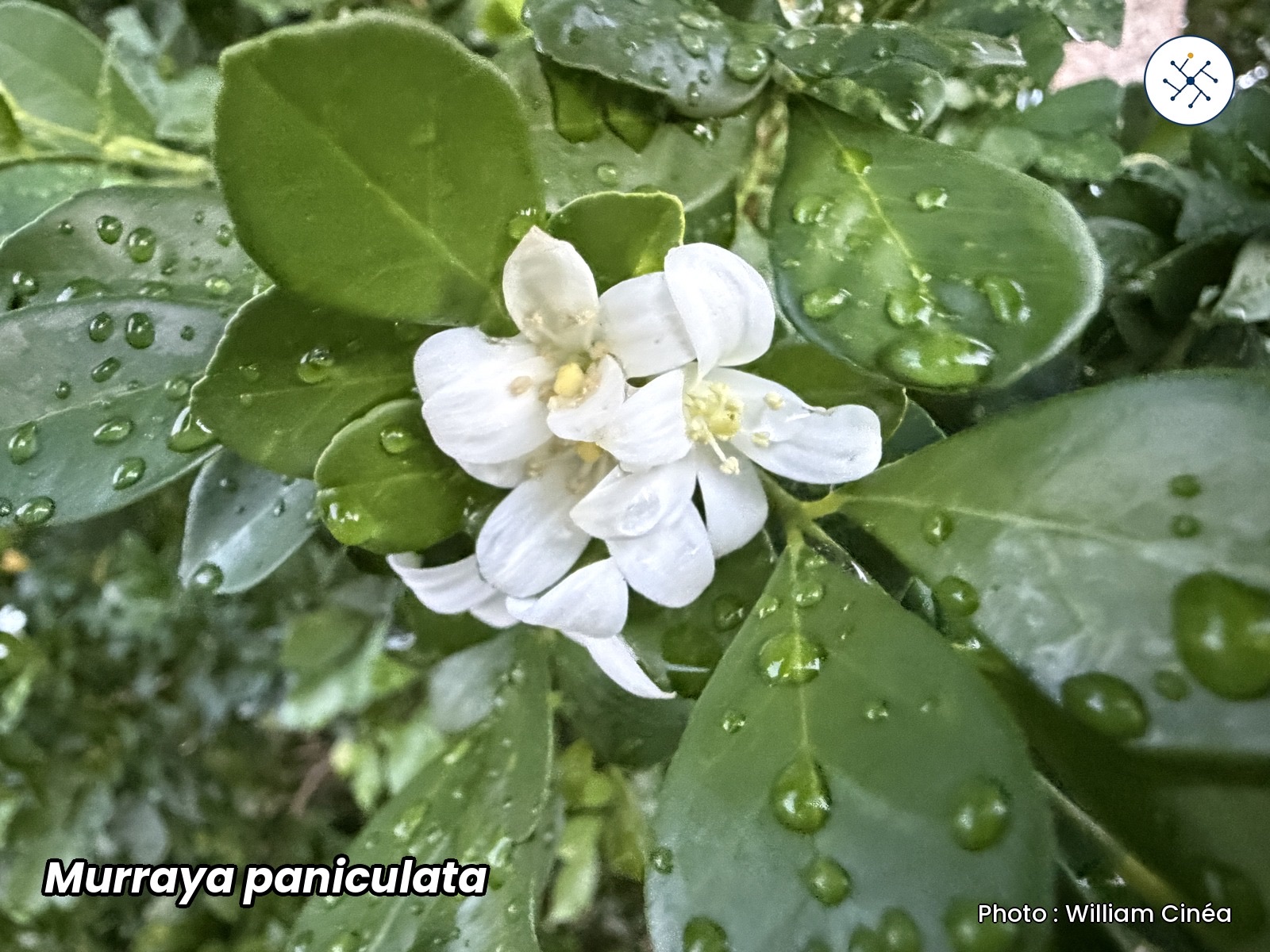
The elegance of the canopy and the aromas released by this family are ideal for landscaping. The Murraya genus, and more specifically Murraya paniculata — often called “orange-jasmine” — is widely used by landscapers to create dense, fragrant ornamental hedges.
In forestry and beekeeping
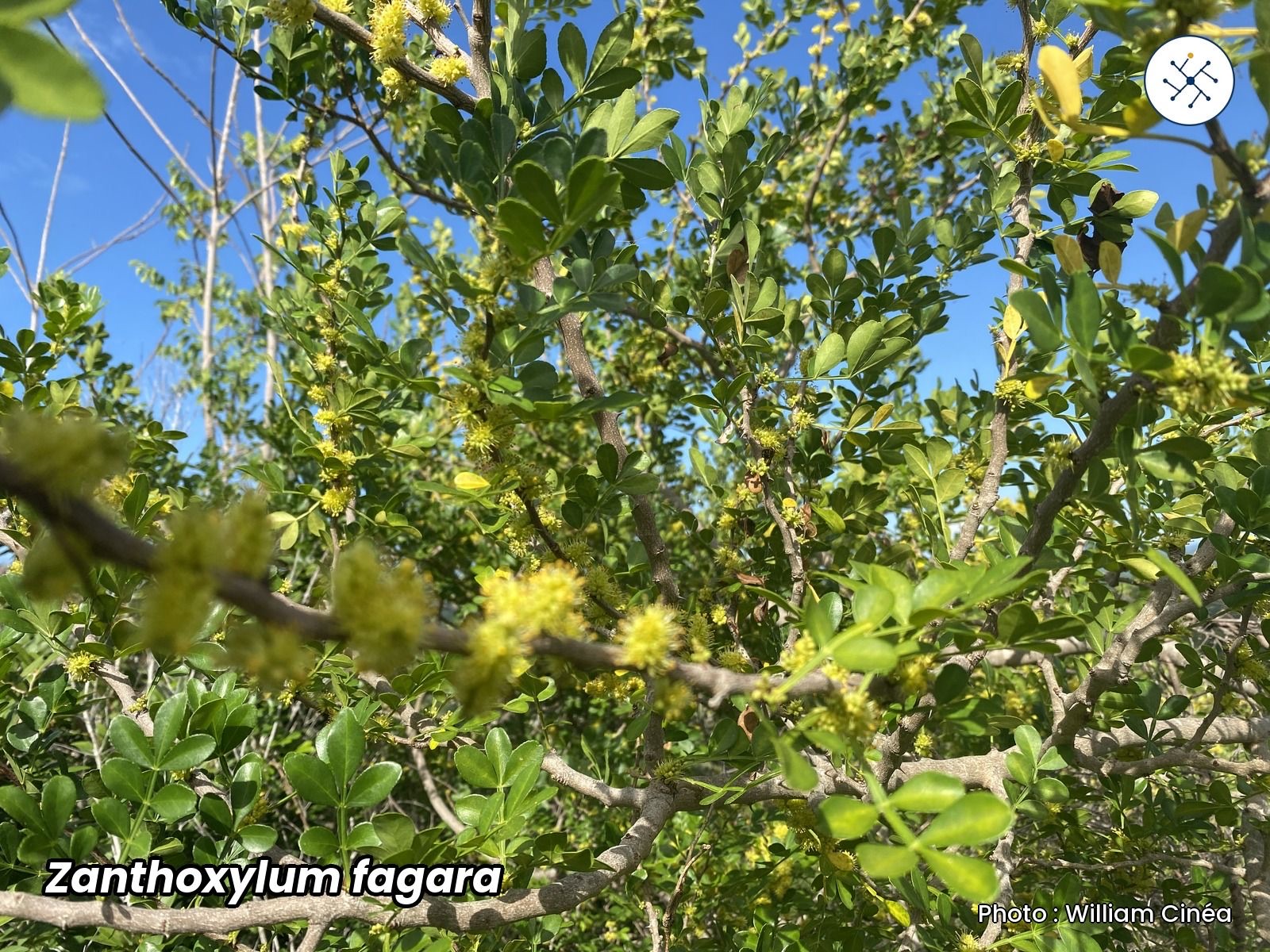
The family provides robust structural and ecological resources. In tropical forestry, species such as Zanthoxylum martinicense produce hard, high-quality timber, highly prized for reforestation. In parallel, their fragrant blooms are an asset in beekeeping: specific species such as Zanthoxylum fagara produce nectar highly sought by bees for honey production.
The urgency of conservation
This intense molecular valorization and the ancestral, high-pressure use of these plants come with a critical downside. The constant search for their active principles, combined with the massive destruction of forest habitats, poses a direct threat to the survival of many species.
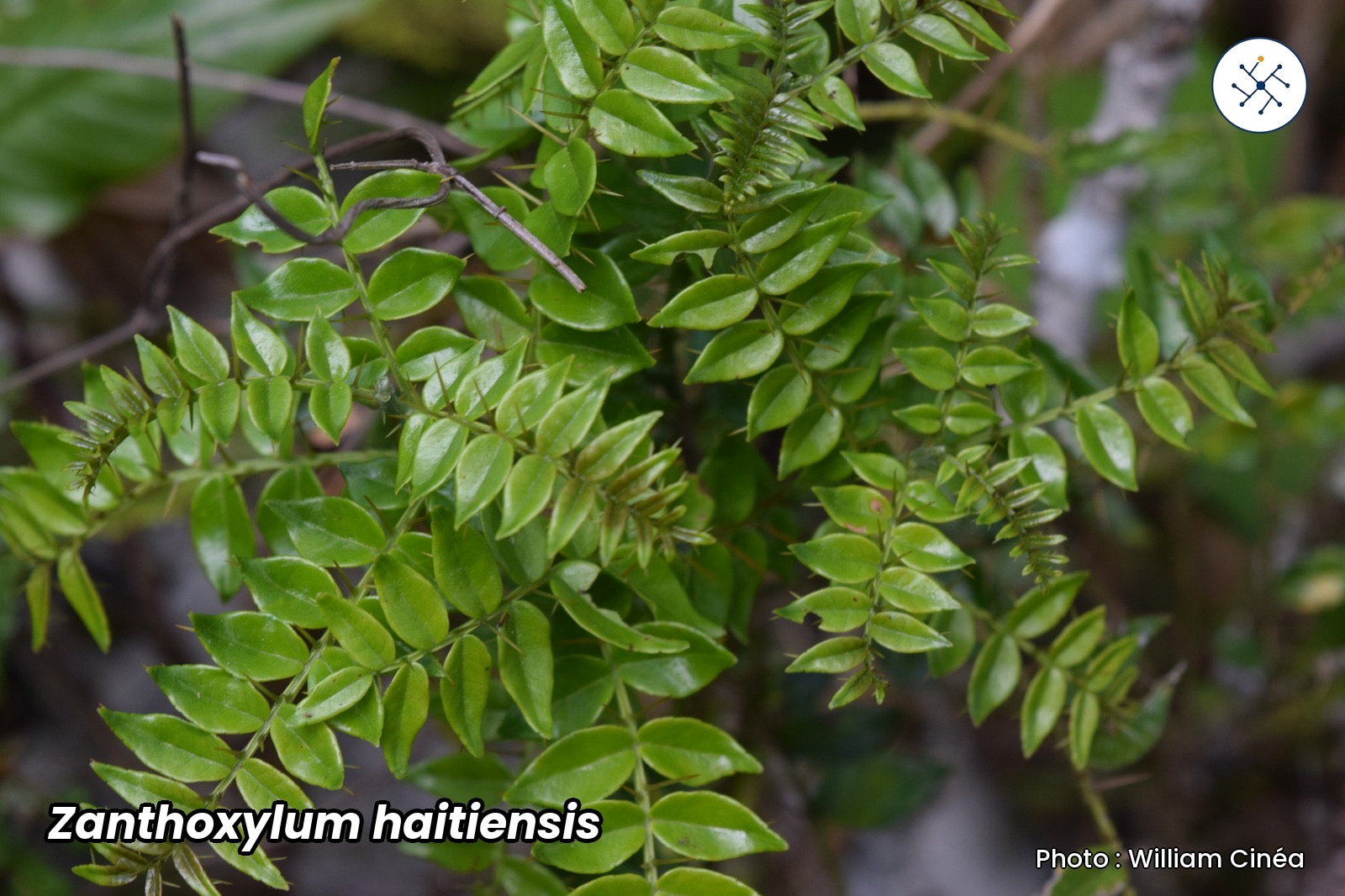
In the Caribbean region and on the island of Hispaniola, overexploitation of the Amyris genus for perfumery has pushed several species to the brink of extinction. Zanthoxylum haitiense is also one of the extremely rare endemic species that must be protected urgently.
Studying systematics means understanding that ecology, human use and conservation are inseparable.
Welcome to the Applied School of Botany! Join us to raise the standard of botany and learn to read nature with precision, for the well-being of people and biodiversity.
Bibliographic references
- Simpson, Michael G. Plant Systematics (3rd edition).
- Judd, W. S., Campbell, C. S., Kellogg, E. A., Stevens, P. F., & Donoghue, M. J. Plant Systematics: A Phylogenetic Approach (4th edition).
- Lejoly, J. Biologie végétale et systématique des plantes à fleurs en relation avec les principales plantes médicinales.