Foraging refers to the search, identification and harvesting of food resources that grow spontaneously in natural or semi-natural environments: fruits, leaves, seeds, roots, mushrooms, etc. This is not a new practice. For millennia, populations have used these resources for food. What is changing today is the growing interest of research in these species, particularly in the face of challenges of food security, climate change and dietary diversification.
This research represents an opportunity: certain plants could bring new fruits, new foods or interesting resources for agriculture. But it also presents a risk. When a little-known plant becomes popular, its harvesting can quickly weaken natural populations. Before valorizing, we must therefore research, document, protect and learn to propagate.
To illustrate this global challenge, let us take the example of Haiti. In the course of my botanical research, I have documented more than a dozen fruits that are still little known or little valorized. Here are six.
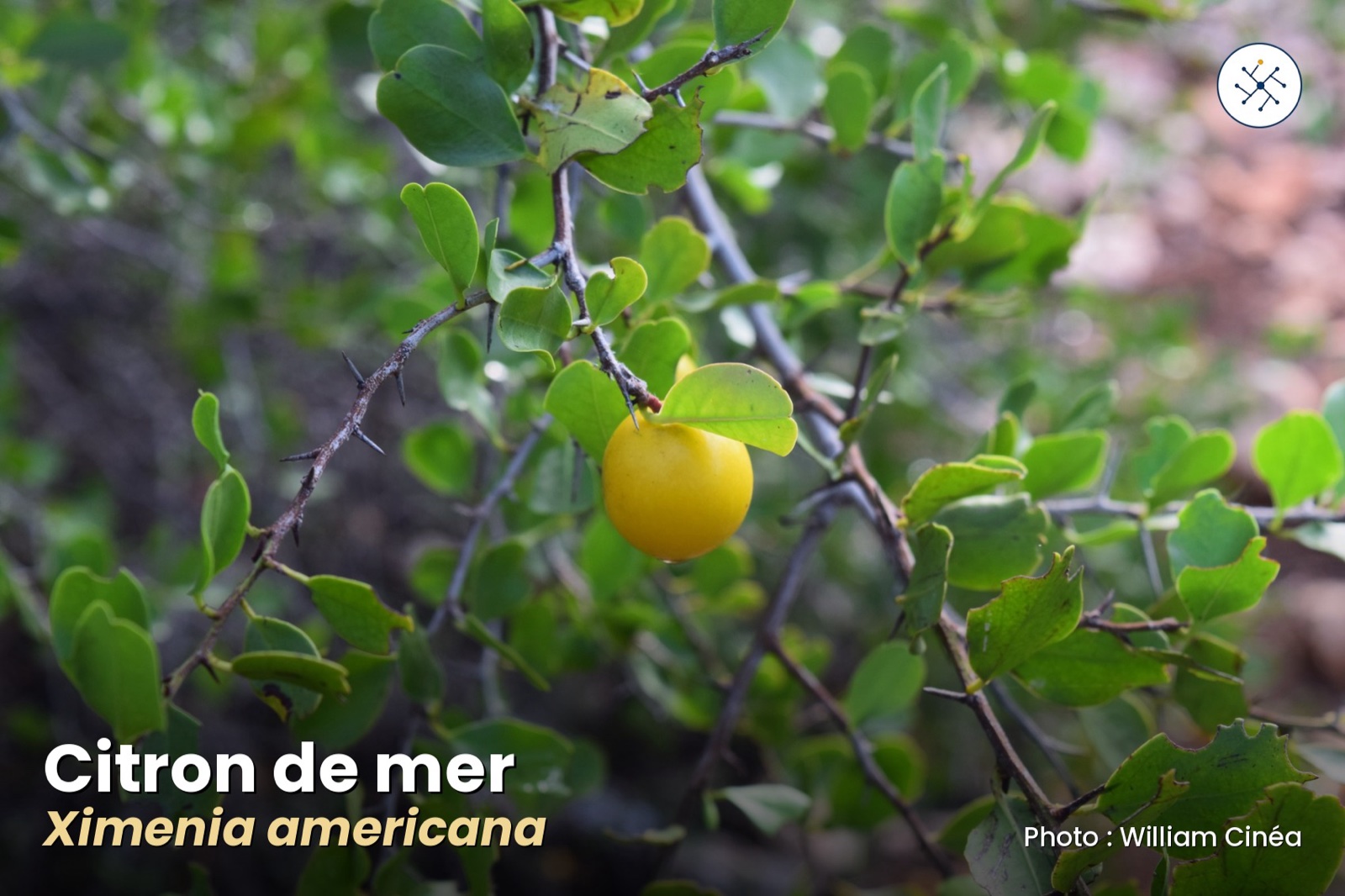
1. Sea lemon (Ximenia americana)
This thorny shrub or small tree produces an edible yellow fruit. The species has a very wide tropical distribution and is found in Africa, Asia and the Americas, including Haiti. Its fruits are consumed and various parts of the plant are used in the traditional medicines of several countries. In Haiti, its consumption seems much more limited and we still have little information on its traditional uses. It would be interesting to study more its distribution, nutritional value and potential as a fruit resource.
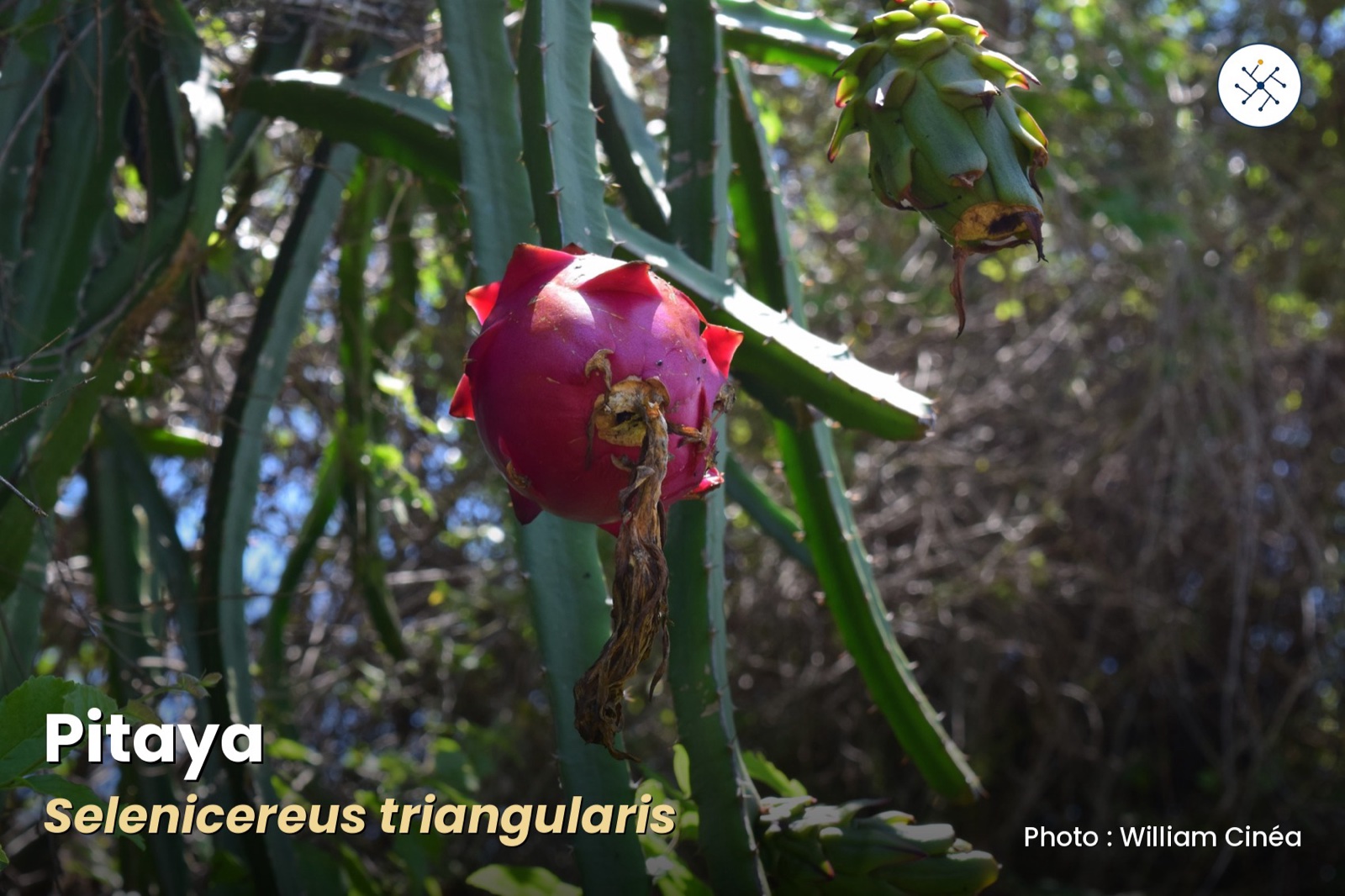
2. Local pitaya (Selenicereus triangularis)
This Caribbean Cactaceae produces a fleshy fruit that turns red or pinkish at maturity. The fruit is edible and pitayas are now cultivated and sold in several regions of the world. However, this species remains little valorized in Haiti. We should better document its distribution, nutritional qualities, propagation and its potential for developing local fruit production.
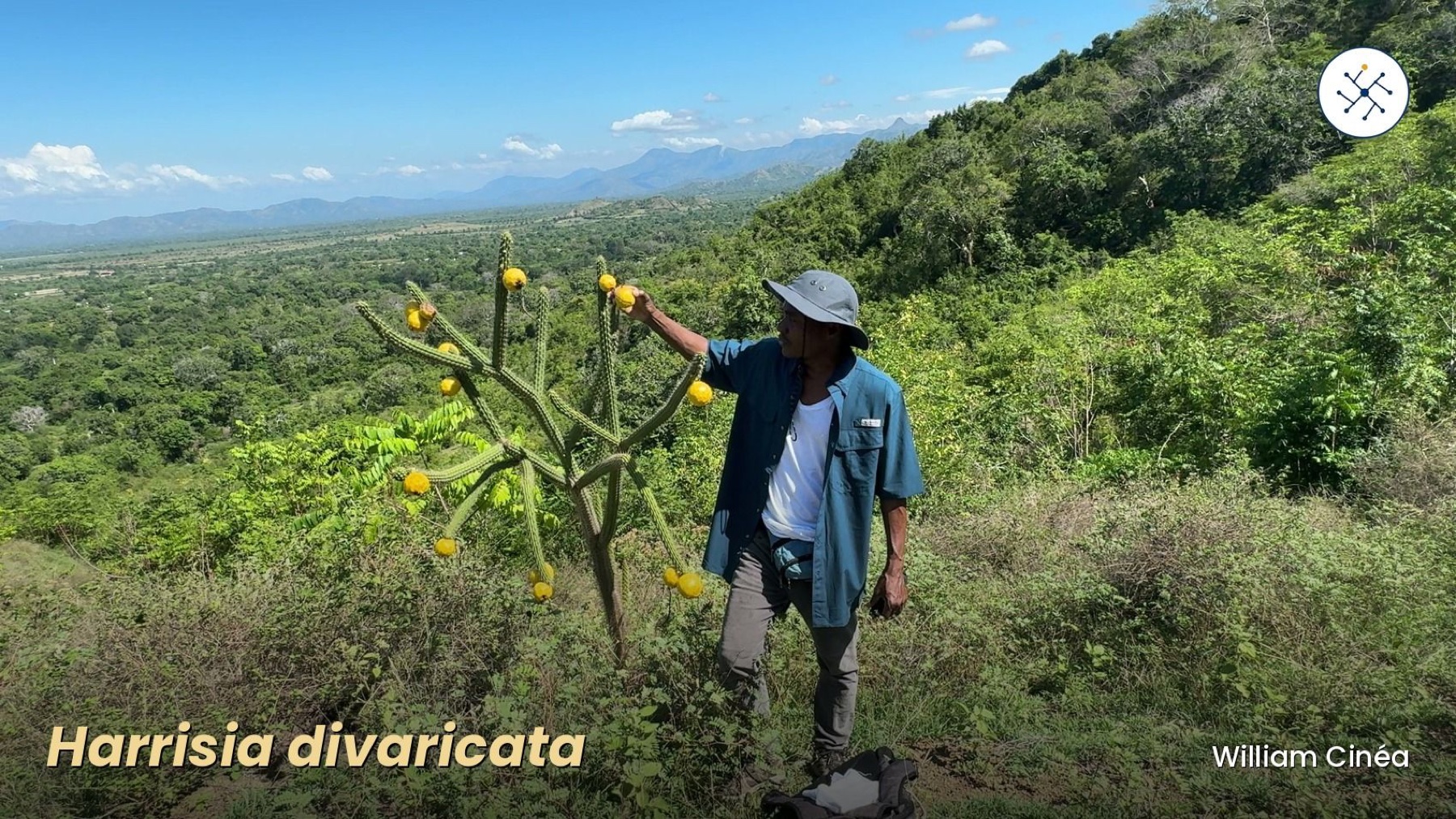
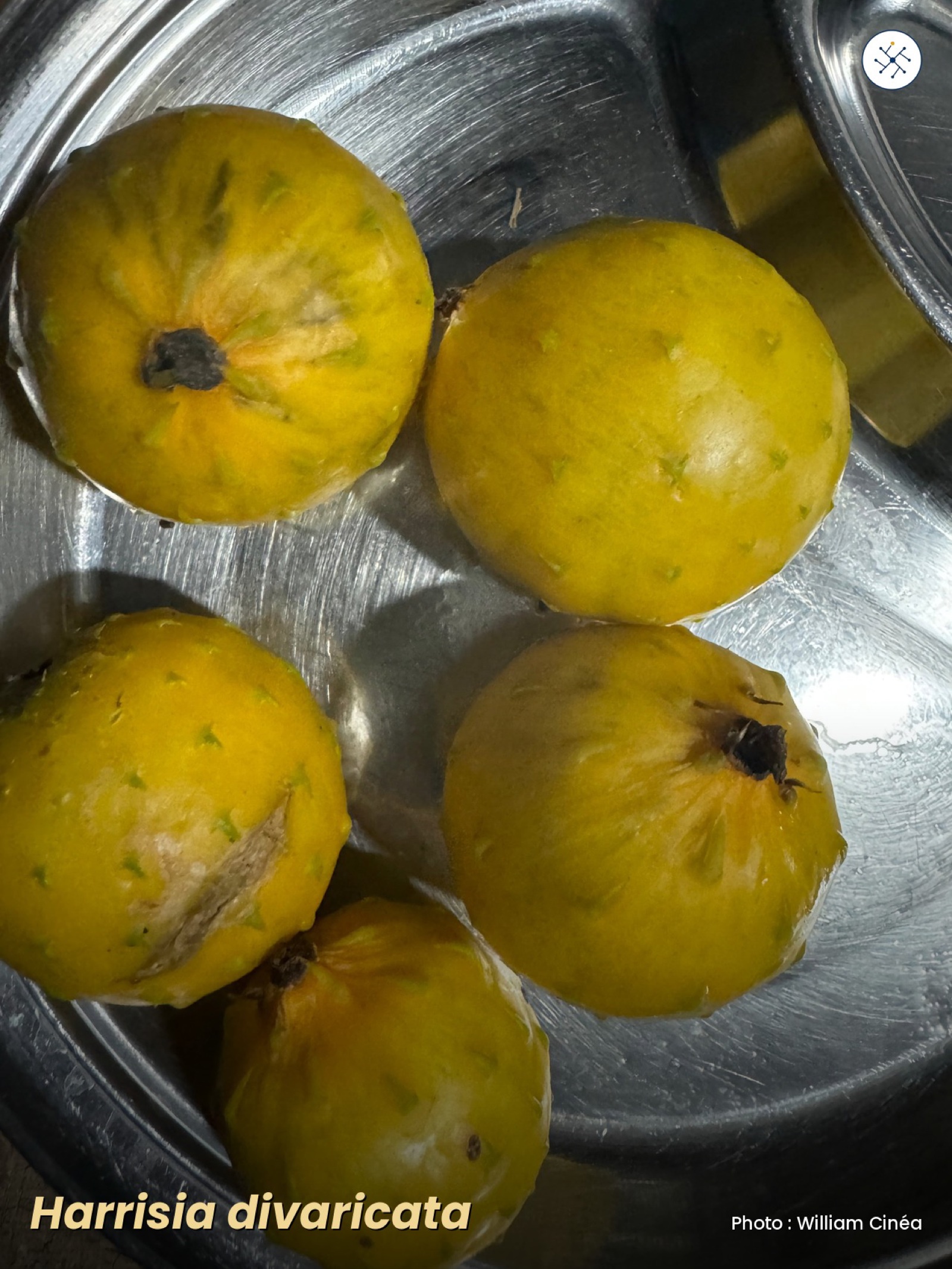
3. Harrisia divaricata
This cactus is native to Hispaniola and grows mainly in dry zones. In my field research, I have documented the consumption of its fruits in certain regions of northern Haiti. The species remains however little known. We must better study the nutritional value of its fruits, its distribution, the state of its populations and the methods allowing to propagate it before considering larger valorization.
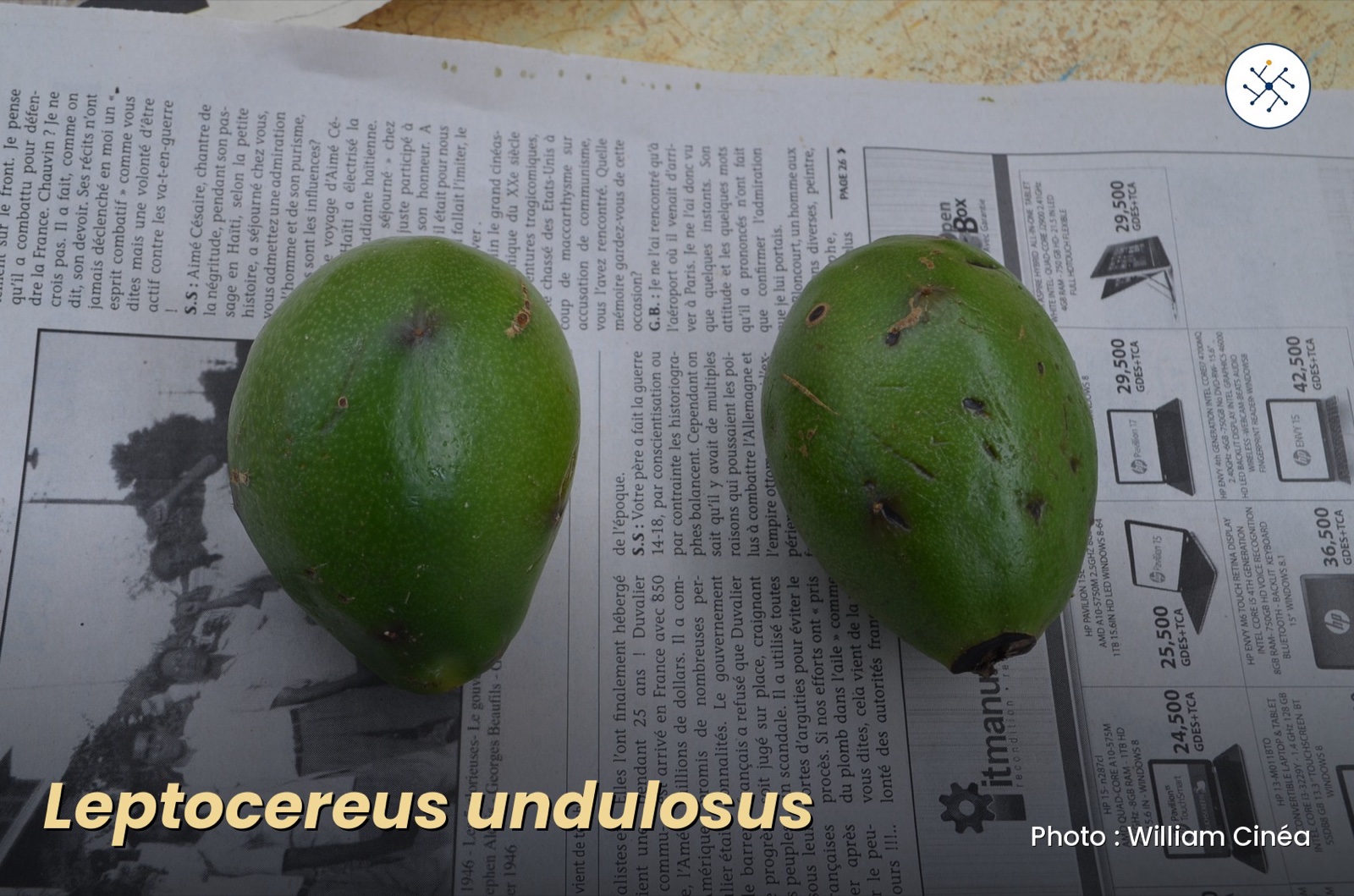
4. Leptocereus undulosus
This Cactaceae is also native to Hispaniola. It produces a very particular green fruit that may, externally, resemble a small avocado. I have documented the plant and its fruits, but we still lack information on its food use in Haiti. Is the fruit consumed? What is its composition? Which animals consume it? How does the species reproduce and how are its seeds dispersed? This is precisely the type of species for which research must continue before any valorization.
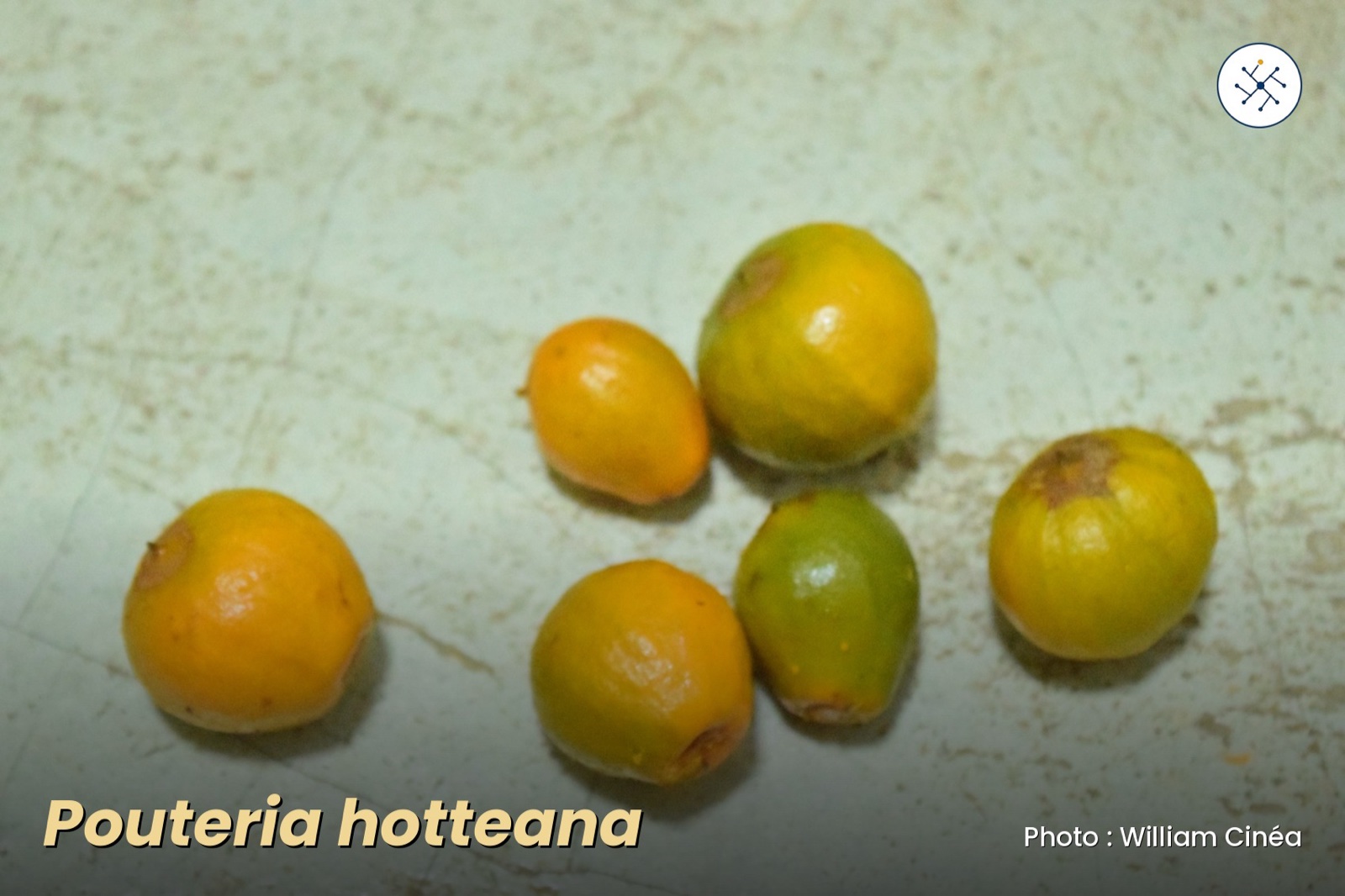
5. Pouteria hotteana
This species is present in Haiti and belongs to a family (Sapotaceae) that includes many fruit trees. In my research, I have observed Sapotaceae fruits that deserve further study. We must better document their identification, distribution, local uses, propagation and potential before proposing valorization.
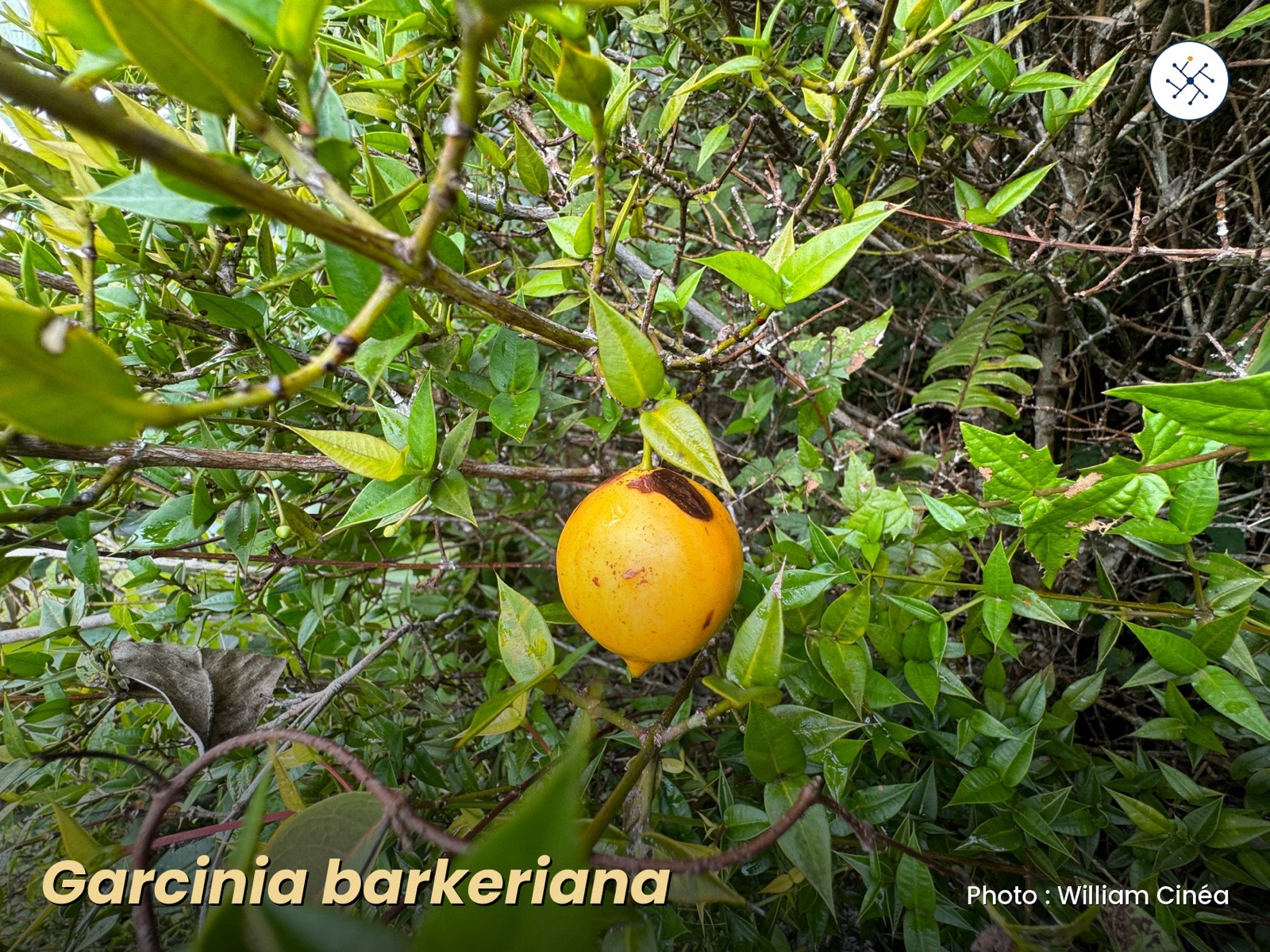
6. Garcinia barkeriana
This Clusiaceae produces yellow fruits and is native to Hispaniola. Several species of the genus Garcinia produce fruits consumed in different regions of the world, but this does not automatically mean that Garcinia barkeriana has the same uses. We still need specific data on its food use, its traditional uses, its composition and its distribution in Haiti. It therefore represents an excellent species to develop new research.
These six examples show that foraging should not just consist of discovering new fruits and starting to harvest them. Knowing a resource is a first step; knowing how to use it without making it disappear is just as important. Any valorization should be accompanied by research on the conservation, propagation and protection of natural populations, while taking into account the knowledge and benefits of local communities.
This is, for me, the School of Botany: developing applied botany to study, document, conserve, valorize and promote plants for the well-being of all. Every country should better know its biodiversity to discover the resources it can offer, while ensuring their sustainable use without destroying species or ecosystems.
William Cinéa — Botanist, Plant Scientist