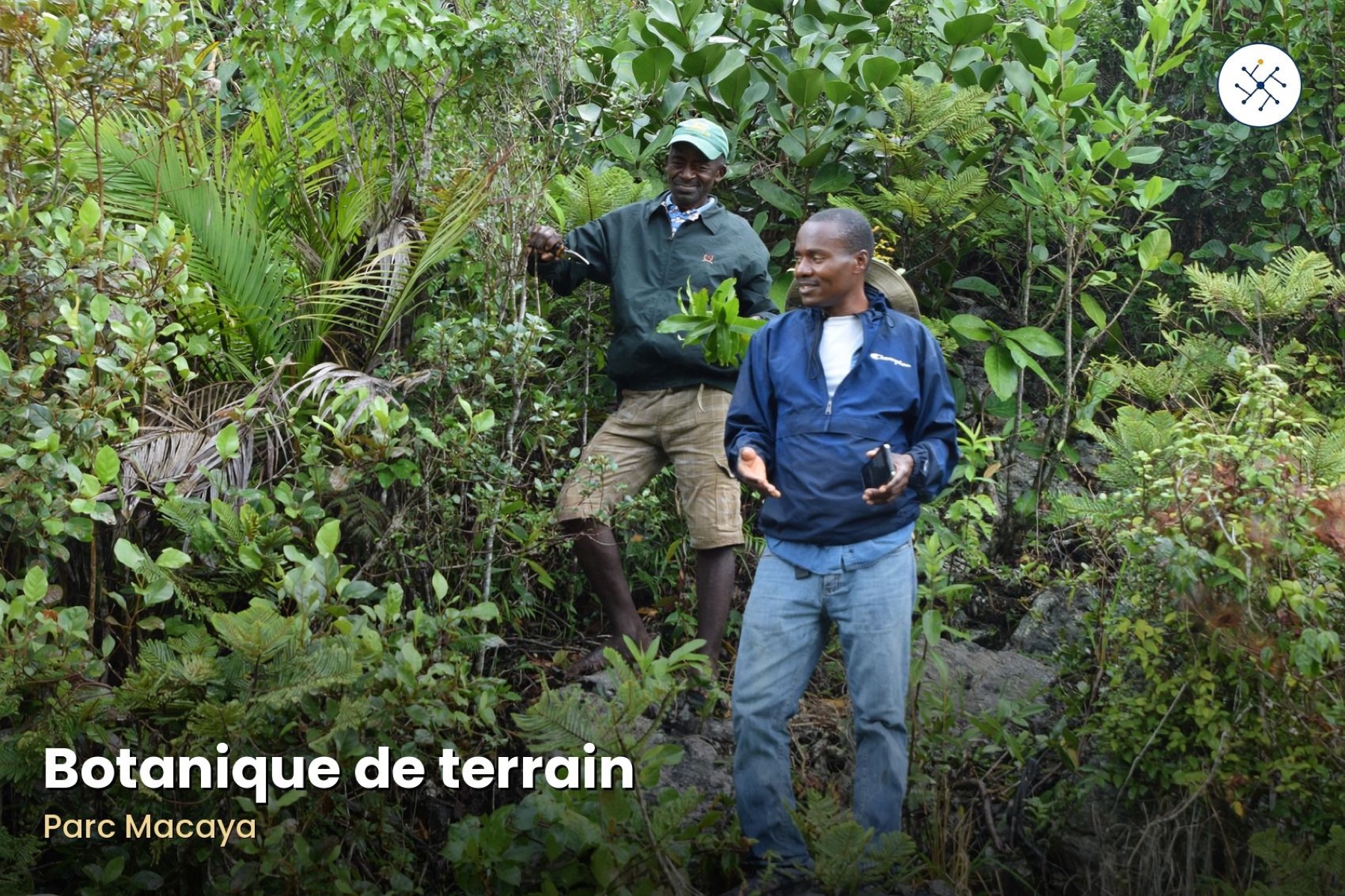
Everywhere in the world, there are botanists who have never set foot in a university. I call them the masters of field plants. They are women and men who live in direct contact with their flora and who know each local name, each use, each secret. Their knowledge is immense, but it often remains in the shadows, passed down by word of mouth, rarely written, and rarely shared beyond their community.
We must distinguish several ways of being a botanist. There is academic botany, the one studied at university, with its herbaria and Latin names. And there is field botany, that of those who carry the living memory of plants. It is of the latter that this article speaks.
In Haiti, I have had the chance to meet several, and one of them has become a model for me. His name is Pierre Honet. He lives in Macaya, in the locality of Formond, and he is its guide. The mountain is his home and his school. When you walk with him on the trails, you quickly understand that he does not recite lessons: he recognizes plants the way one recognizes familiar faces. He knows the local names, the distribution of species, the uses, the reproduction, and the links between plants and people. He is not a scientist in the academic sense of the term, but he is a true master of plants, trained not by books, but by experience.
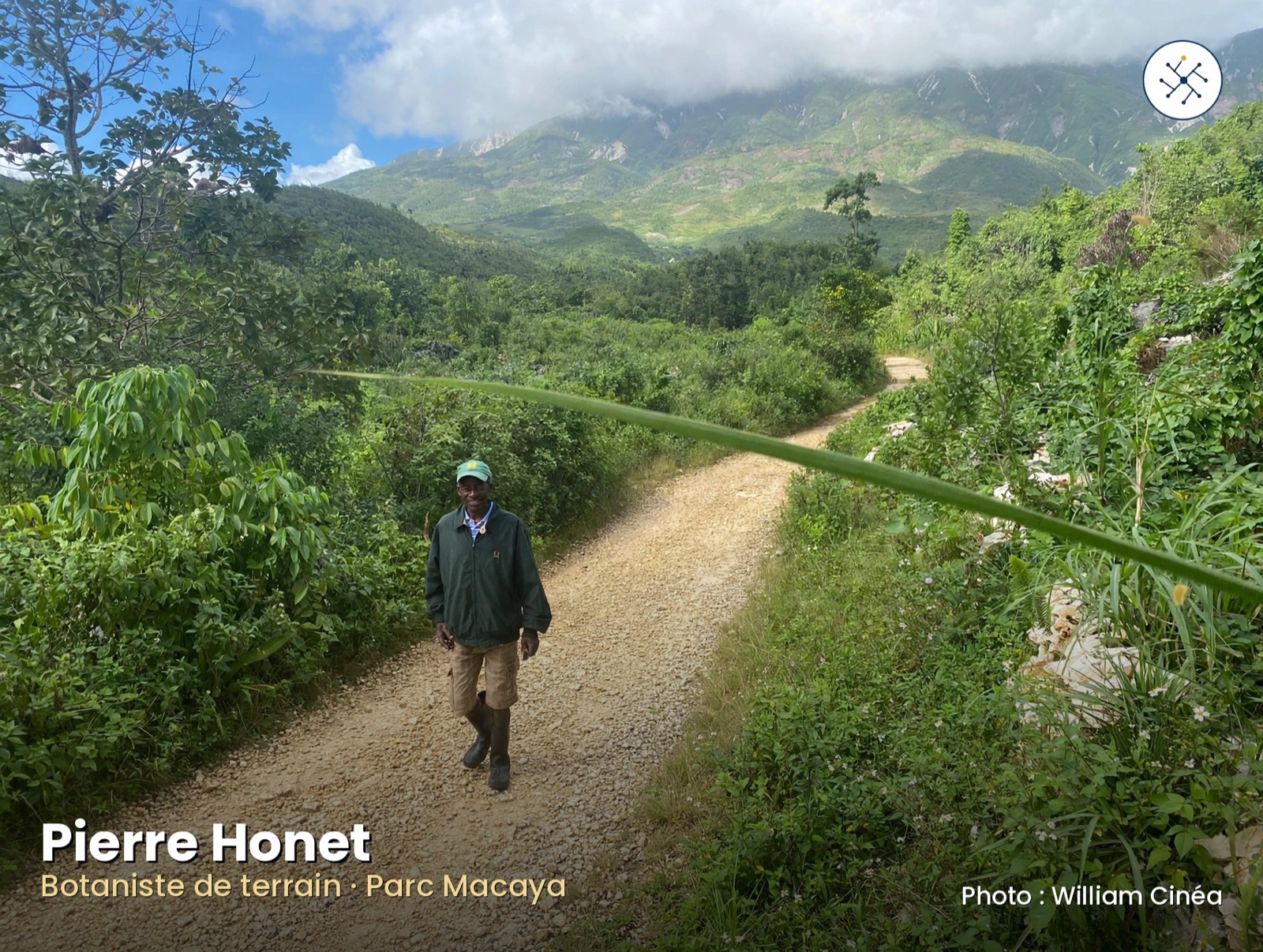
I have learned at his side. The university had given me precision, the rigor of classification and scientific names. Pierre gave me something else: use, ecology, the living memory of plants. The two kinds of knowledge complement each other, and one without the other remains incomplete.
Names carry memory
What struck me most was his way of naming and distinguishing plants. For many species, he speaks of “male foot” and “female foot” — a popular way of separating two close species. And each name carries a lesson.
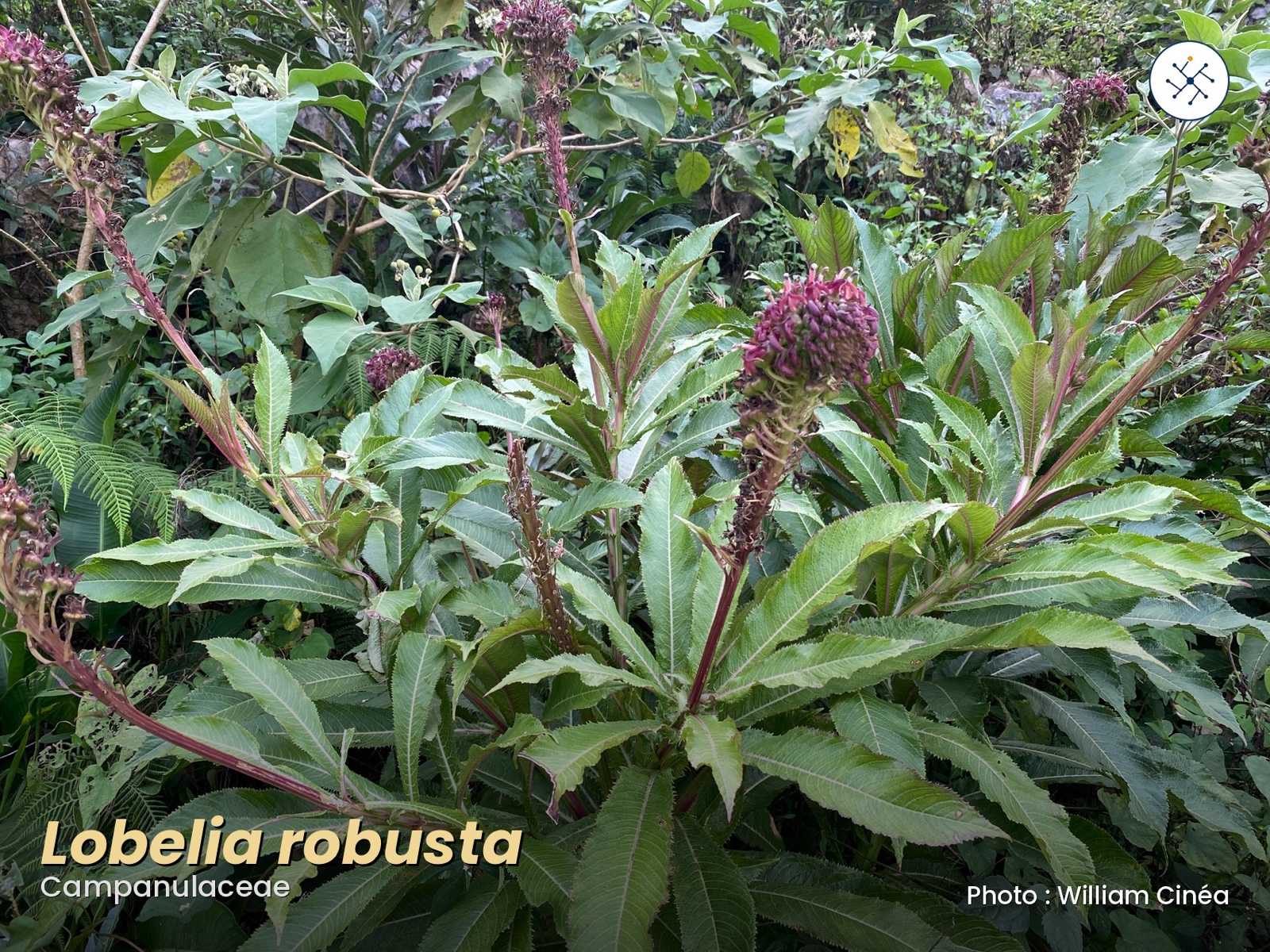
One day, on the trail, I ask him the name of a plant. He answers without hesitation: “ox tongue.” I ask him why that name. He tells me: it is a danger — if an ox eats it, it can kill it, and you see its tongue sticking out. The name is not a fantasy. It carries the memory of a real danger. He showed me that there are two, a male foot and a female foot — two varieties of Campanulaceae (Lobelia robusta), highly toxic, capable of killing easily.
Further on, he lets me smell two other plants, aromatic this time. I ask him their name. He answers: “small-leaf almond” and “large-leaf almond.” He presents them as brother and sister, two plants that smell good and with which tea is prepared. He told me that the leaves are also used as essence to perfume the comparettes of Jérémie (a local pastry). These two plants belong to the Rosaceae family (Prunus occidentalis and Prunus myrtifolia).
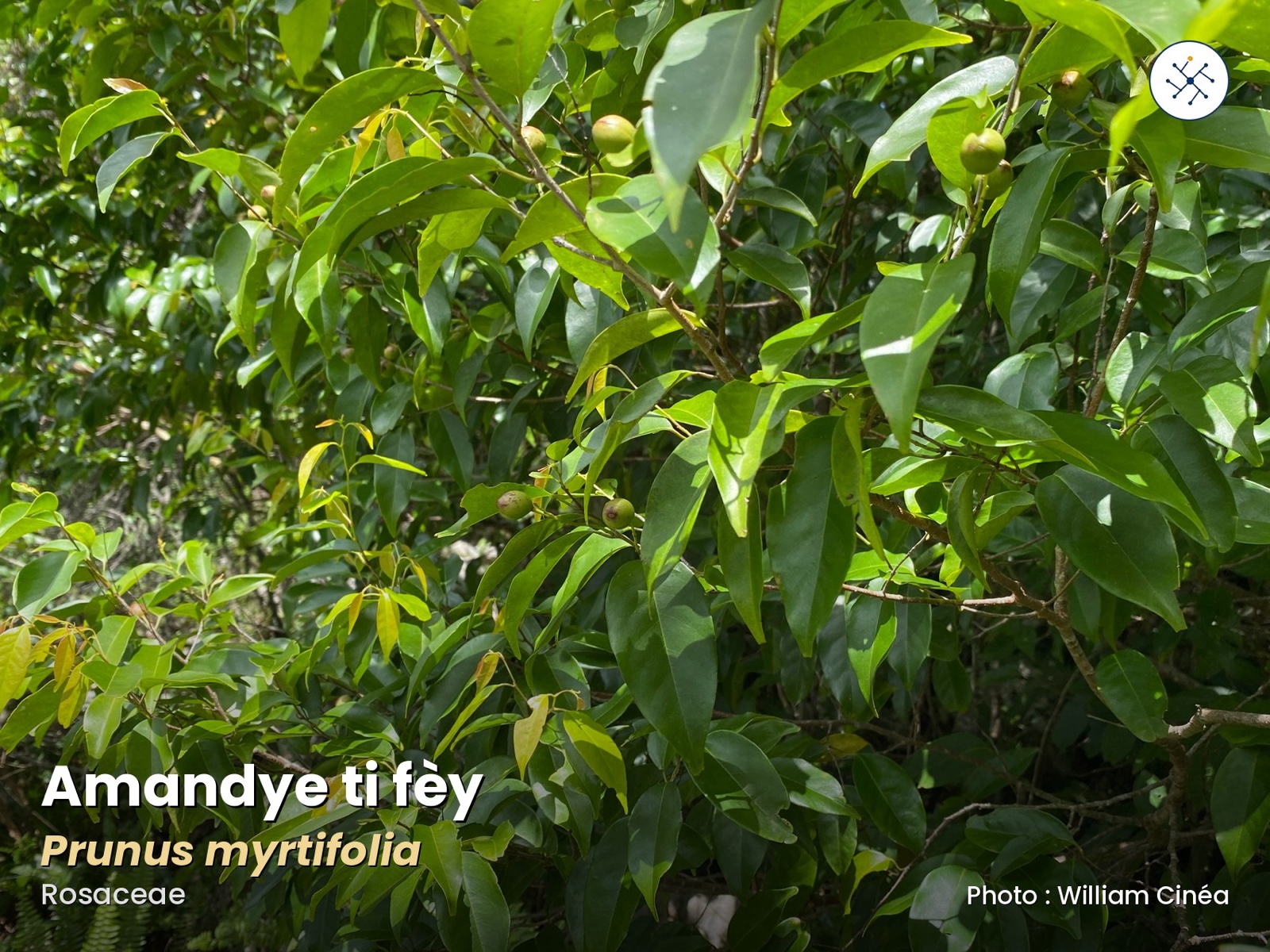
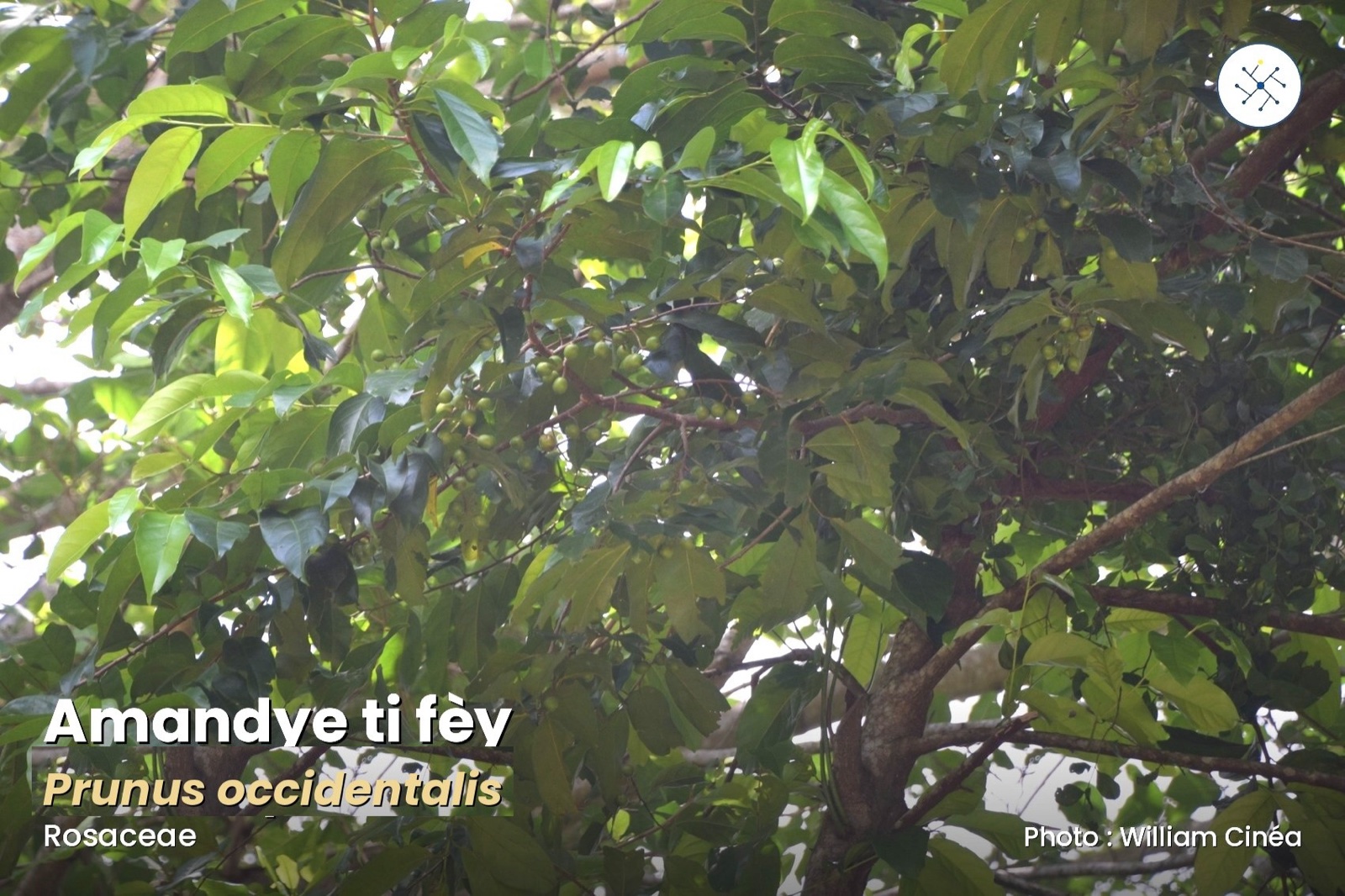
It was there, listening to him, that my conviction took shape: field botany is rich in data and precious information to valorize and conserve plants. And the loss of knowledge of a single species can lead to its disappearance.
For this knowledge is fragile. When a man like Pierre passes away without transmitting what he knows, it is an entire library that disappears. And the danger goes further: losing the knowledge of a plant is often the first step toward the loss of the plant itself. We only protect well what we know is important.
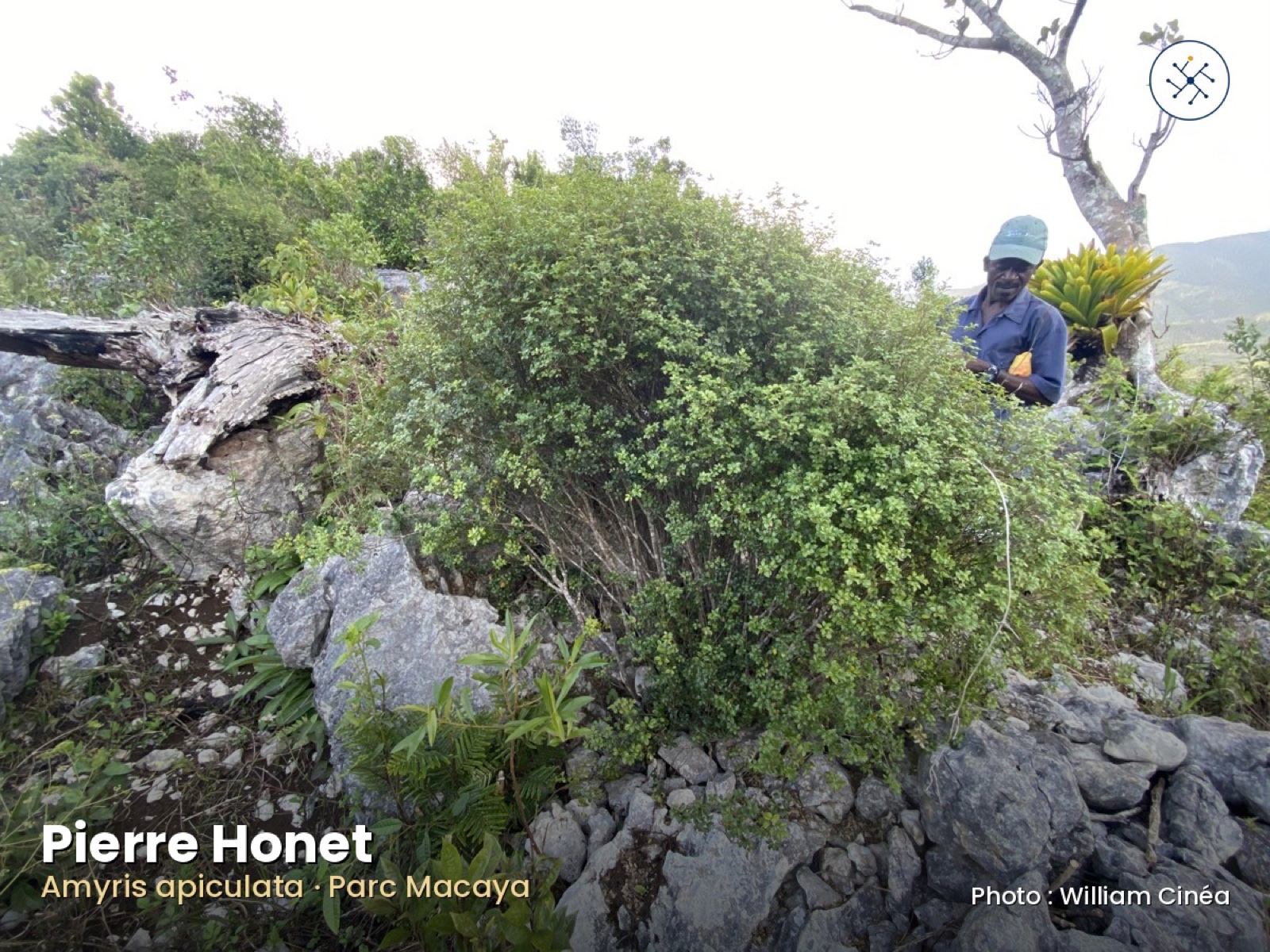
Three lessons to redefine the botany of tomorrow
From this experience with Pierre, and from my global observations, I have drawn three major lessons:
1. The field is irreplaceable
To document, valorize and conserve a flora, book or Internet botany will never give the systemic sense of the field — that ability to see the plant in its environment, connected to its ecosystem. Seize every opportunity to participate in a botanical expedition.
2. Communities are the guardians of knowledge
Local peoples count among them true masters of plants. They must be encouraged to share this knowledge to ensure better internal dissemination and contribute directly to conservation.
3. The alliance of knowledge is indispensable
There is still a great gap between academic botany and local botany. To provide sustainable solutions, we must see these two approaches as complementary. Researchers, students and field people must collaborate to respond to the major challenges of our society: health, food security and climate change.
There are Pierres everywhere in the world
In Haiti as in Africa, in Asia as in the Amazon, women and men carry this immense knowledge of flora and deserve to be recognized, supported and listened to. Documenting them, dialoguing with them, transmitting their knowledge to the young generation — this is one of the most urgent tasks of today’s botany.
This is precisely the meaning of what I want to undertake. At the Applied School of Botany of Botapreneurs, I intend to organize field expeditions to help everyone better understand plants — in books as on the trail — and to take part in this work of documentation and conservation. For a better knowledge of plants is fundamental: for your health, for your food, for your well-being, for your garden, for your environment.
Let’s make botany a priority.
William Cinéa — Botanist, Plant Scientist
#WilliamCinéa #Botanist #Entrepreneur #PlantScientist #Botapreneurs #FieldBotany #LocalKnowledge #Macaya #Haiti