Whatever the project — a pot on the balcony or a large garden — we always start with a “why”, whether we are aware of it or not. This “why” guides everything: the choice of plants, the organization of the space, the relationship we build with the plant world.
Here are 7 intentions that keep coming back in the gardens I have created, visited or studied. Do you recognize yours?
1. The search for connection and well-being
These people develop a very close relationship with plants. In moments of stress or fatigue, their reflex is to immediately turn to their plants: observing them, watering them, feeling their presence. They detect at a glance if a plant is suffering or lacking water in order to care for it. For these enthusiasts, the type of plant matters little: you will see green plants, ornamental varieties, fragrant plants and medicinal species coexisting. What matters is the quality of the relationship and the sense of calm.
2. The desire to amaze (the “WOW effect”)
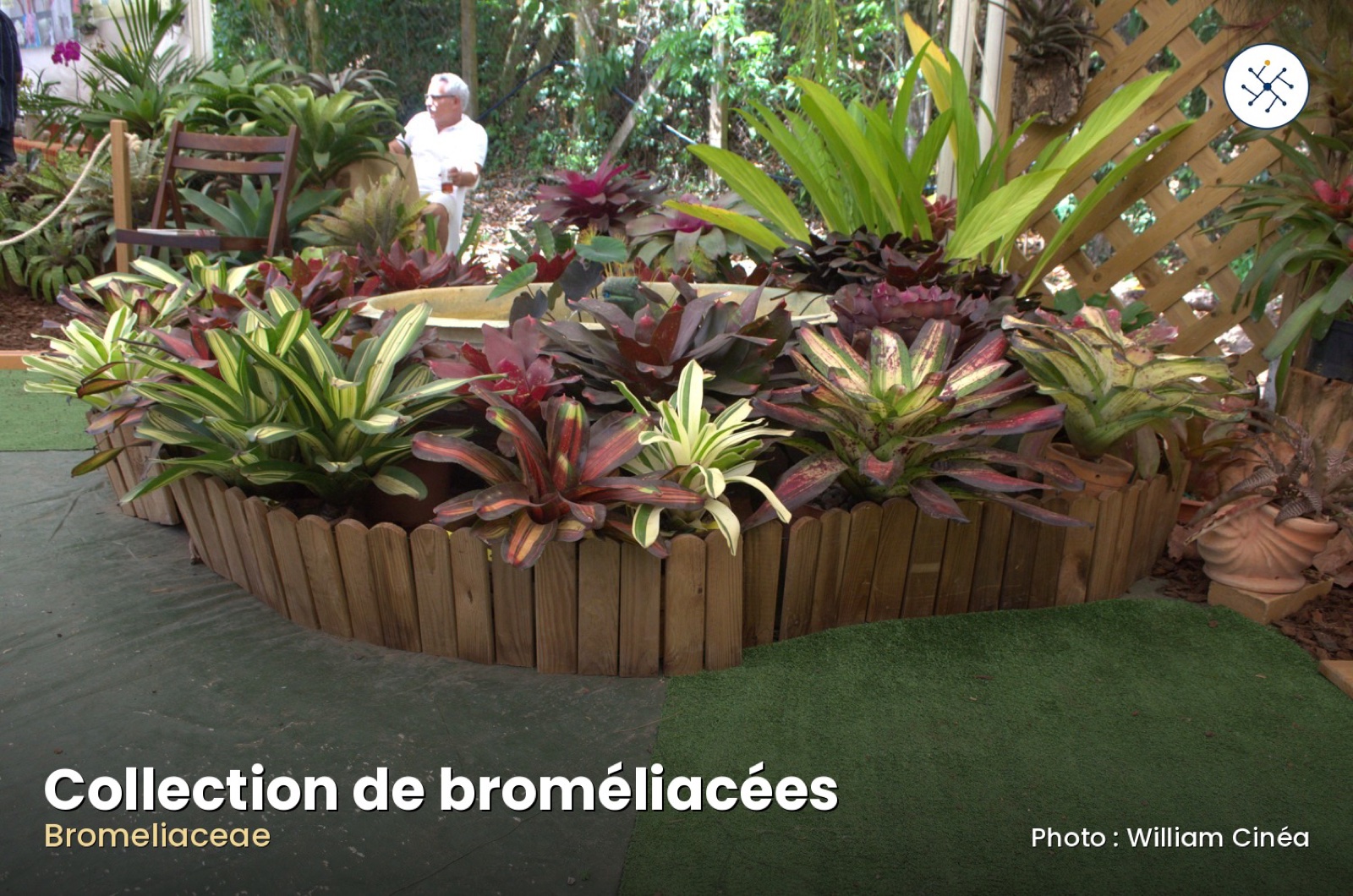
These people seek above all to inspire the admiration of their loved ones and to beautify their living environment. Their goal is to create a spectacular arrangement that catches the eye and leaves an impression on friends, family and visitors as soon as they arrive. Achieving this visual impact brings them great satisfaction and real inner peace. Their selection naturally turns to remarkable ornamental plants: orchids, anthuriums, roses, decorative gingers or heavily flowering beds.
3. The search for harvest and sharing
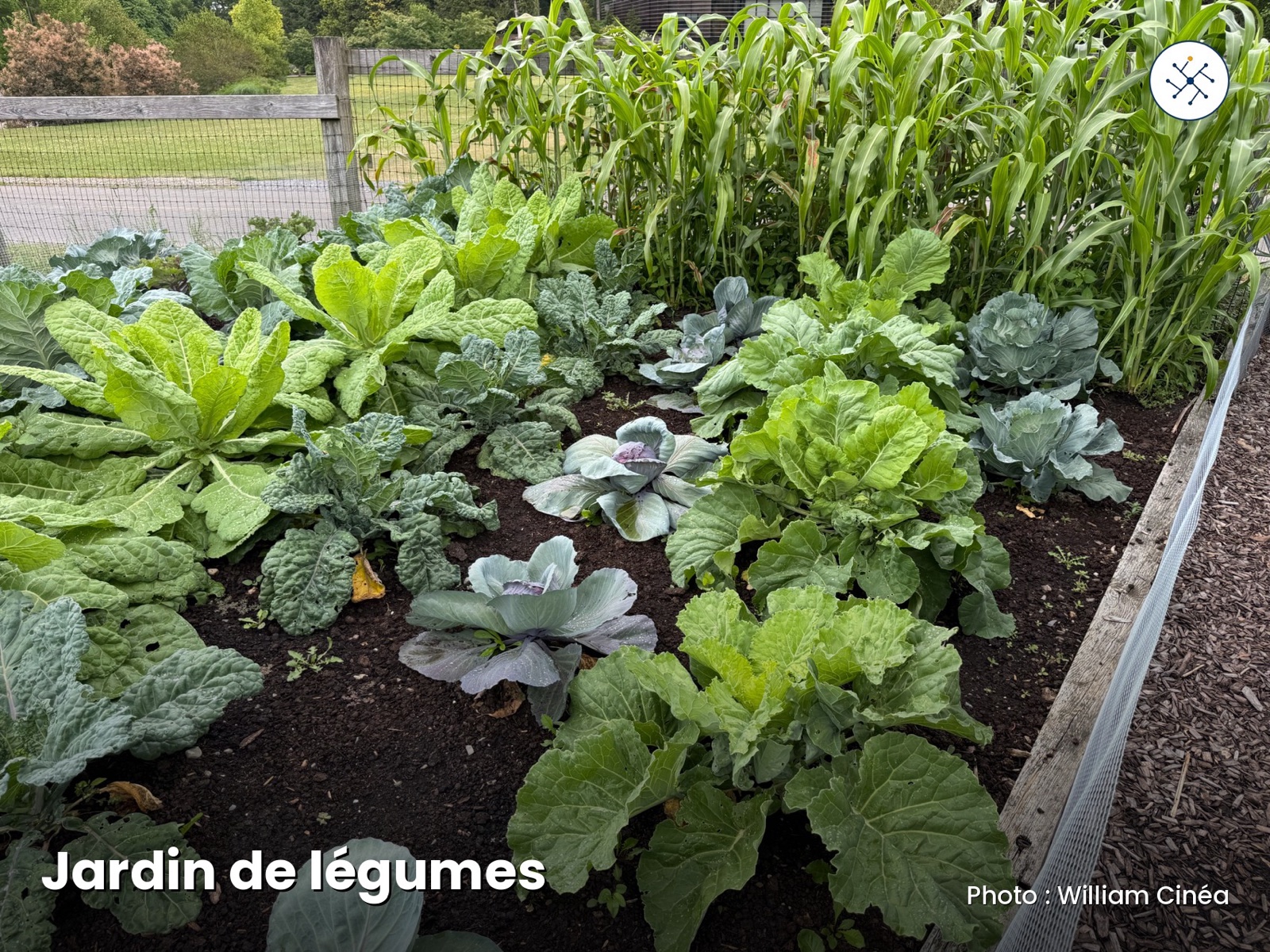
These people place food autonomy and generosity at the heart of their approach. They feel real pride in consuming what they have grown at home without depending on the market, while enjoying the pleasure of offering their harvests to guests and neighbors. This search for fresh produce directly guides their choice toward food plants: mango trees, avocado trees, banana trees, citrus, but also vegetables from the garden, corn and yams.
4. Health and prevention through plants
These people are very aware of the direct impact of plants on the body and health of their family. They wish to have a living pharmacy at hand to treat small everyday ailments and enrich their diet. Their selection focuses carefully on aromatic and medicinal plants: lemongrass, basil, mint, rosemary or lemon balm.
5. Ecological awareness and biodiversity
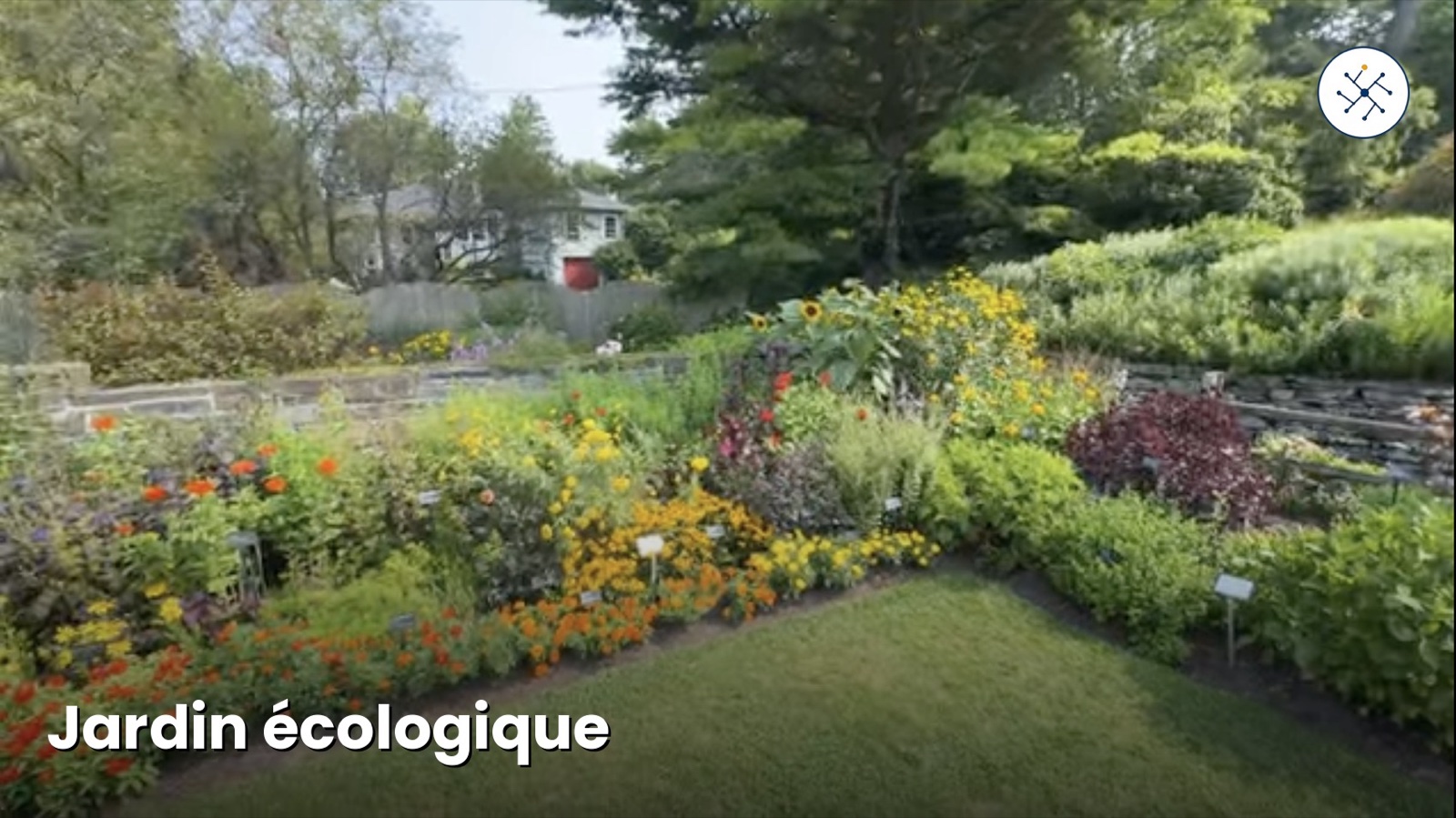
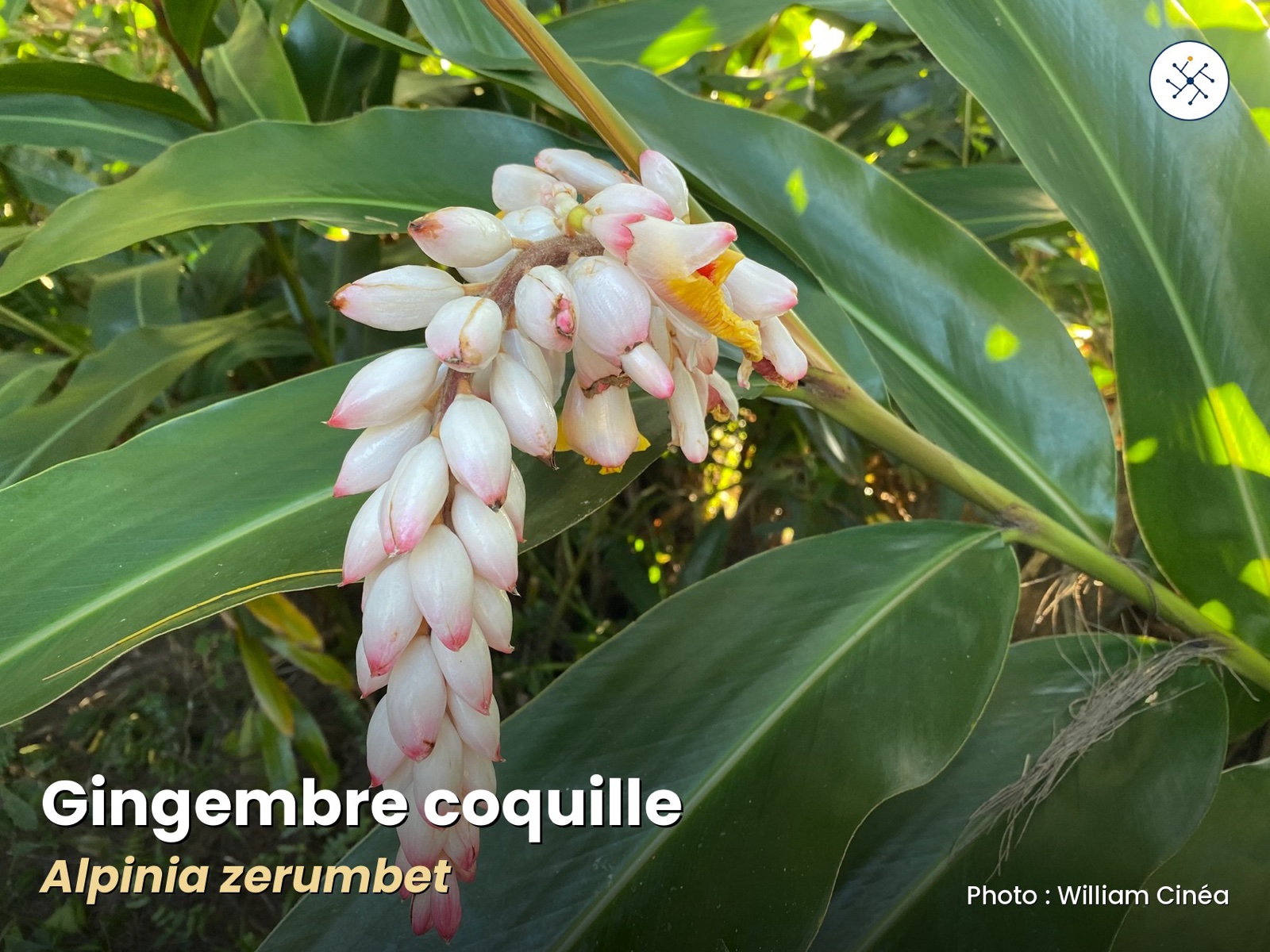
These enthusiasts go beyond their own needs to think about the wildlife around them. They no longer design the garden for humans alone, but as a refuge for insects, butterflies and birds. Their purchasing choices turn primarily to local species, wild plants and nectar-rich flowers that attract wildlife and help restore the local ecosystem.
6. The resilient and frugal garden (adaptation to climate change)
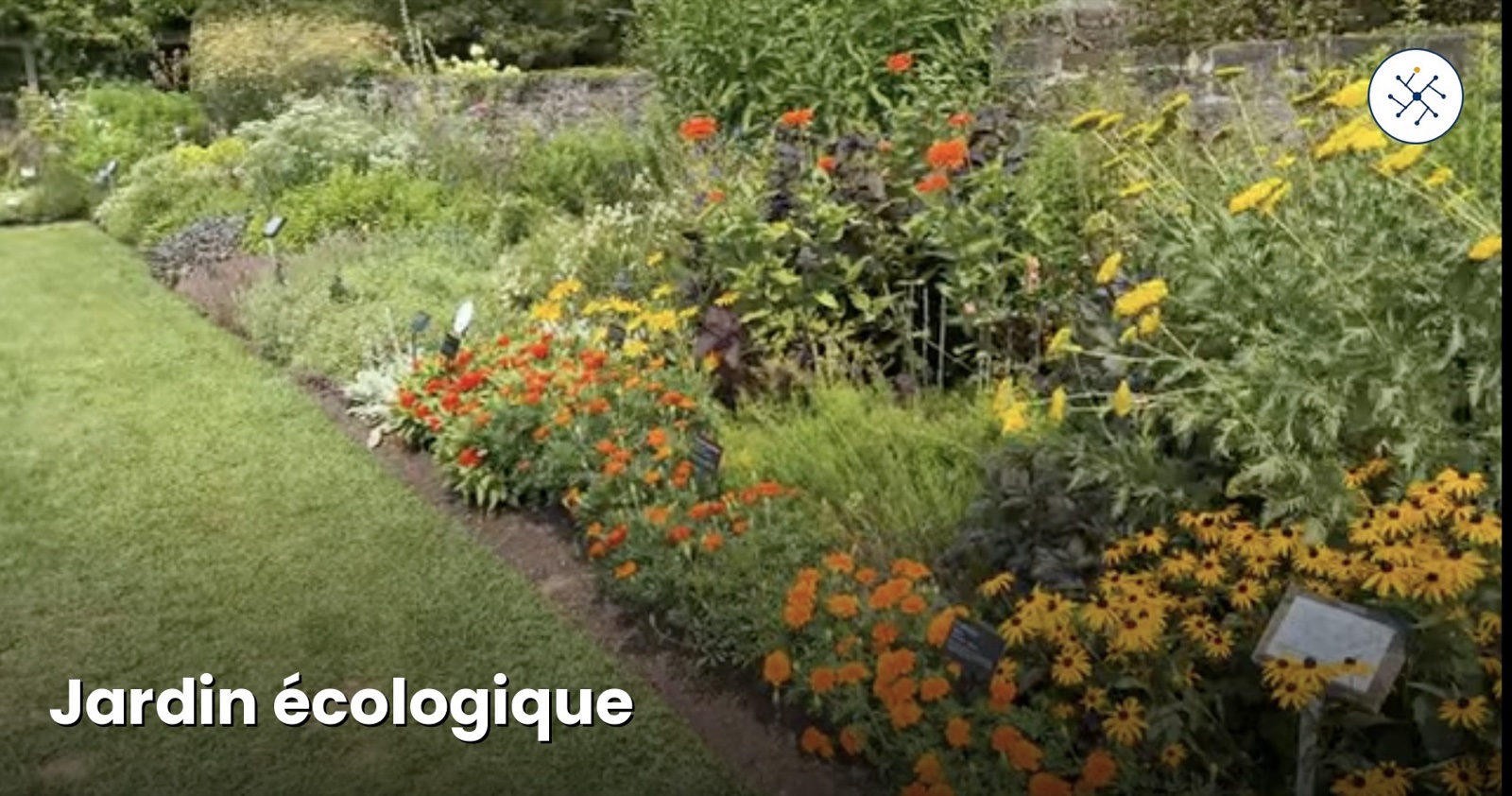
These people make the conscious choice of an autonomous and resource-respectful arrangement. Aware of climate challenges, they refuse the waste of watering water and the use of polluting motor tools. They therefore select very resistant and wild species, capable of growing naturally without requiring regular watering or systematic pruning.
7. The spiritual relationship and protection
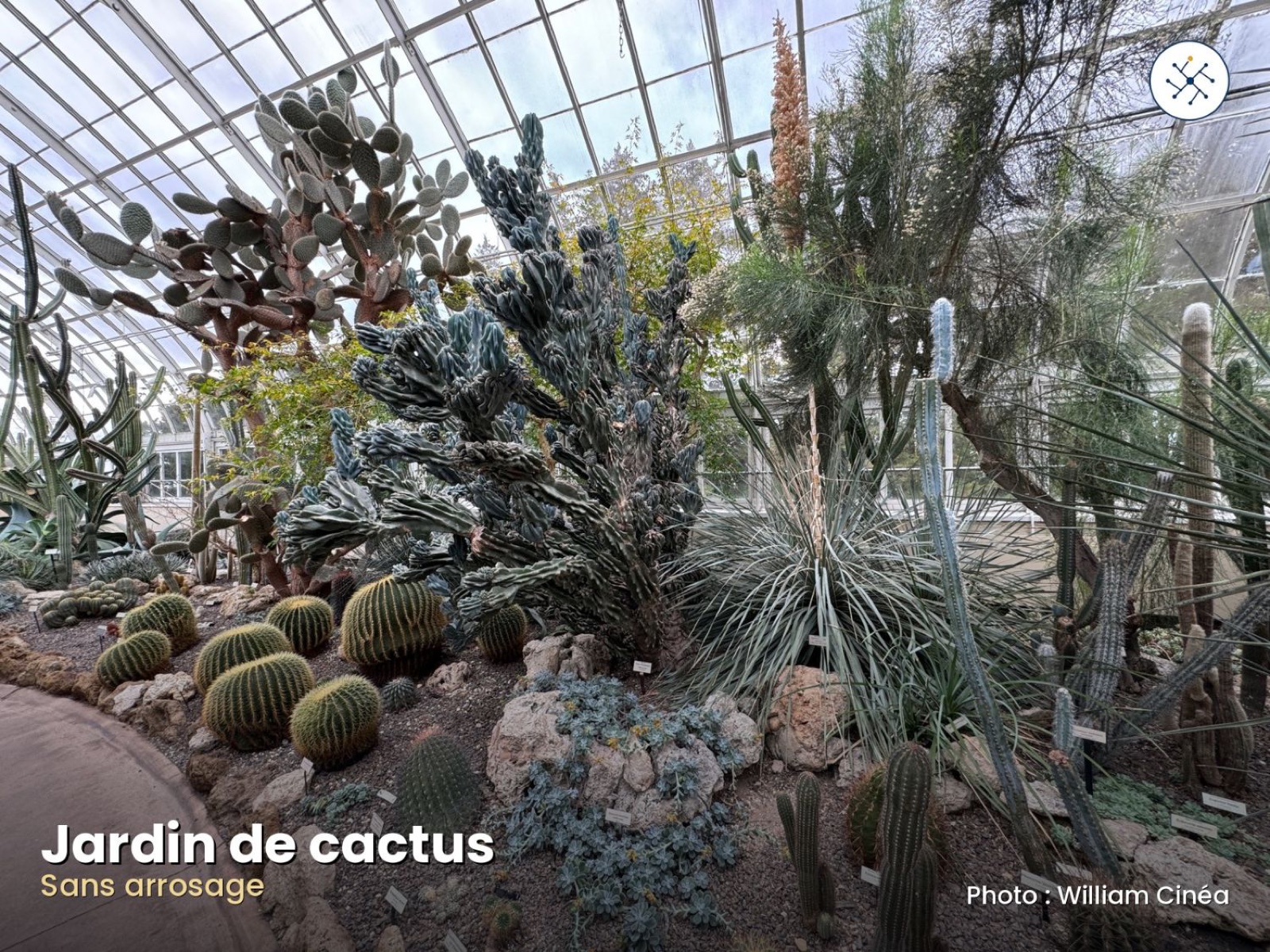
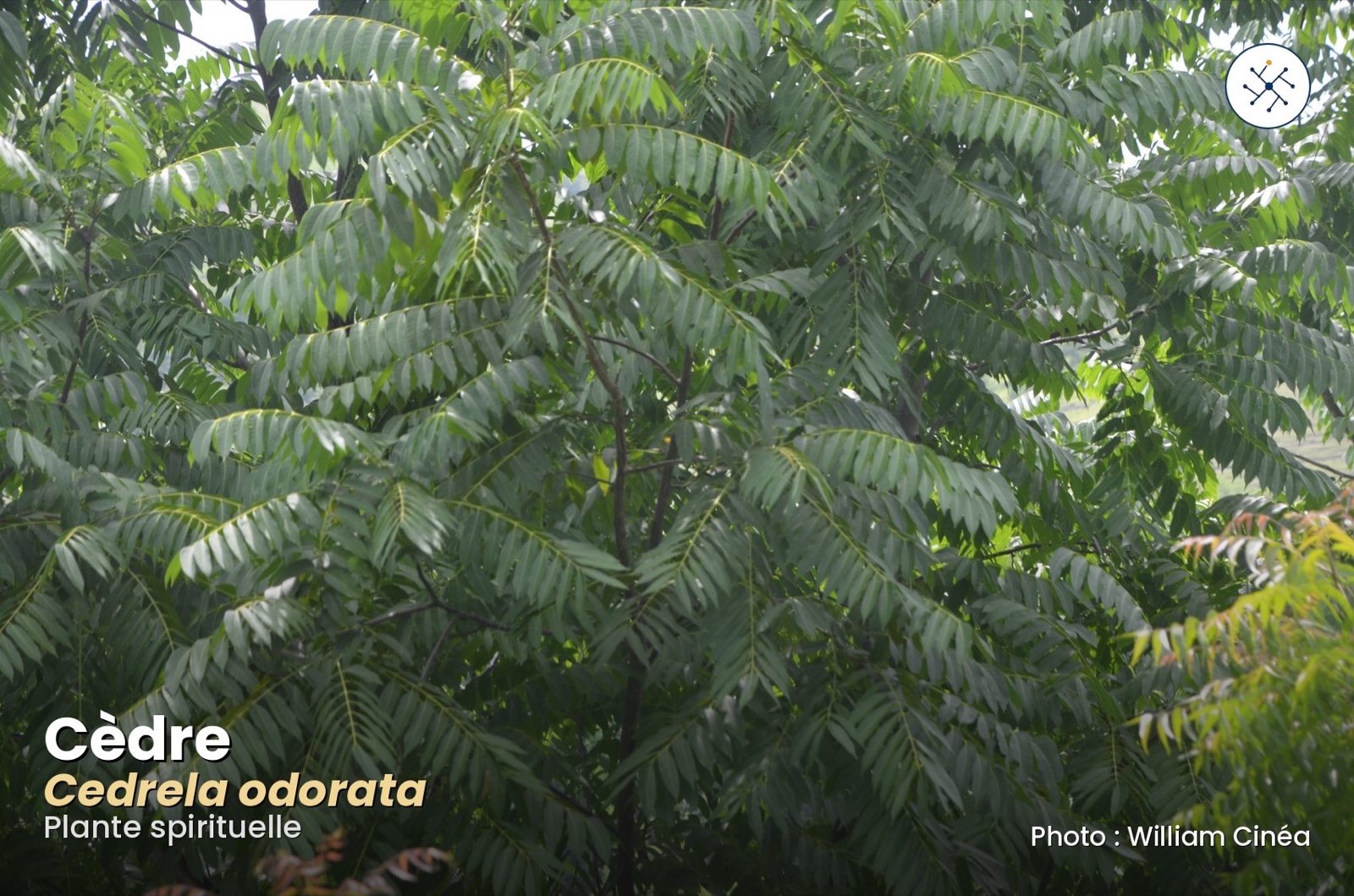
These people attribute to plants a symbolic, ancestral and protective force. They firmly believe that certain species have the power to drive away bad energies, bring serenity to the home or protect the family. Guided by these beliefs and traditions, they surround their home with sacred plants, protective species or large trees such as the cedar.
My advice of the day
If you already have a bond with your garden and with plants, continue to strengthen it. And if people around you are not yet involved — your loved ones, your children, your family — help them enter the world of plants. For plants have secrets for your well-being: knowing them, protecting them and caring for them is also a way they help you in return.
These seven ideas are not mutually exclusive: you can combine them to better design your space. There are many others still, other concepts to explore.
I believe we have reached a moment when we must return to our roots. An entire generation is growing up today with very little connection to nature and plants. If we do not know plants ourselves, we will not be able to teach our children to love them. And if our children do not love plants, it is not their fault, it is ours. A generation growing up without connection to nature — that is our responsibility.
And remember: you don’t need a large space. When you love plants, you always find a small pot and a little corner to place one for your well-being.
📸 More than 25 photos to inspire you!
Today I share with you a selection of more than 25 photos from my 30 years of passion and travels. Take the time to observe them and be inspired!
Thank you all. Excellent day and happy Saturday.
At the Applied School of Botany, we teach botany through practice. Welcome to the Applied School of Botany.
#EcosystemRestoration #Garden #TechnicalAdvice #MedicinalPlants #Biodiversity #WellBeing #ResilientGarden #ConnectionToNature